


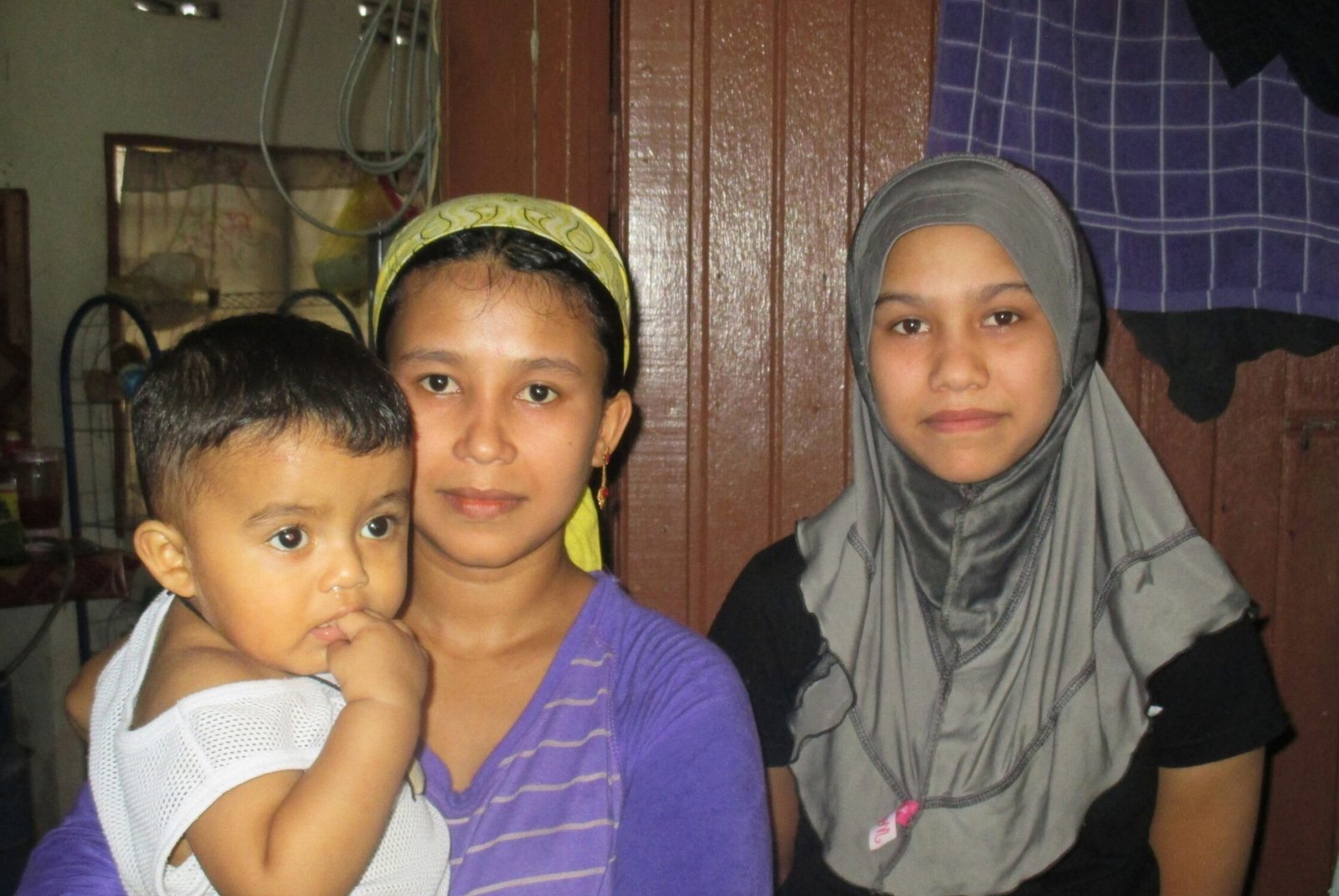
A surge of anti-Rohingya sentiment in Malaysia is forcing refugees to close schools, leave their homes, and hide from public view, deepening fears over their future.
WEBDESK – MEDIABITES
Rohingya refugees in Malaysia are facing a renewed wave of hostility, with community schools raided, families evicted and online campaigns fueling fears that a country once viewed as a refuge is becoming increasingly hostile.
The Rohingya, a stateless Muslim minority who have fled decades of violence and discrimination in Myanmar, have long sought safety in Muslim-majority Malaysia. But growing public anger, social media misinformation and political rhetoric have made daily life increasingly precarious for many refugees.
Community-run schools, which serve Rohingya children barred from Malaysia’s public education system, have become particularly vulnerable. One school in northern Malaysia was raided last month by eight uniformed police officers who photographed students and ordered some children to return home, according to the report.
Another school in Selangor suspended classes for a month and later reopened under restrictions requiring students to avoid wearing uniforms and leave immediately after lessons. Teachers said the measures were intended to keep children out of sight and reduce the risk of attacks.
The pressure extends beyond education. Some Rohingya families have been forced from villages where they had lived for years, while about 120 refugees who sought shelter outside the United Nations refugee agency in Kuala Lumpur last month were temporarily detained. More than half of those detained were children.
Malaysia hosts more than 126,000 Rohingya refugees, according to the U.N. refugee agency, making it the second-largest host country after Bangladesh. Malaysia, however, does not formally recognize asylum seekers, leaving refugees without legal rights to housing, employment or education.
The latest hostility has been amplified by social media. In May, posts accusing Rohingya refugees of improperly disposing of animals sacrificed during Eid al-Adha went viral before evolving into broader, unfounded claims that the community was seeking citizenship, political influence or control of Malaysia.
An online petition demanding the removal of Rohingya refugees from Malaysia gathered more than 420,000 signatures before being taken down following criticism from rights groups.
The deterioration comes as Rohingya refugees have few realistic options for returning home. Myanmar’s Rakhine state, from which many fled, is engulfed in fighting between the military regime and the Arakan Army. The U.N. has warned that minority communities in Myanmar are suffering severe abuses.
Malaysian Prime Minister Anwar Ibrahim said in July that Myanmar had agreed to take back 5,000 Rohingya refugees, while warning refugees not to disrupt Malaysian society. The comments came as Malaysia heads toward a general election that must be held before February 2028.
For Rohingya teachers and activists, the immediate concern is less about politics than survival and education.
“I hope the Malaysians can understand that the children just want an opportunity to learn,” one school founder said.


2 Comments
The atmosphere here is just great and the game selection is massive. I always feel lucky whenever I play at magojilicasino.
I’ve been playing here for a month now and the wins have been consistent. It is a great community and a fair platform. Give baj777login a try.