


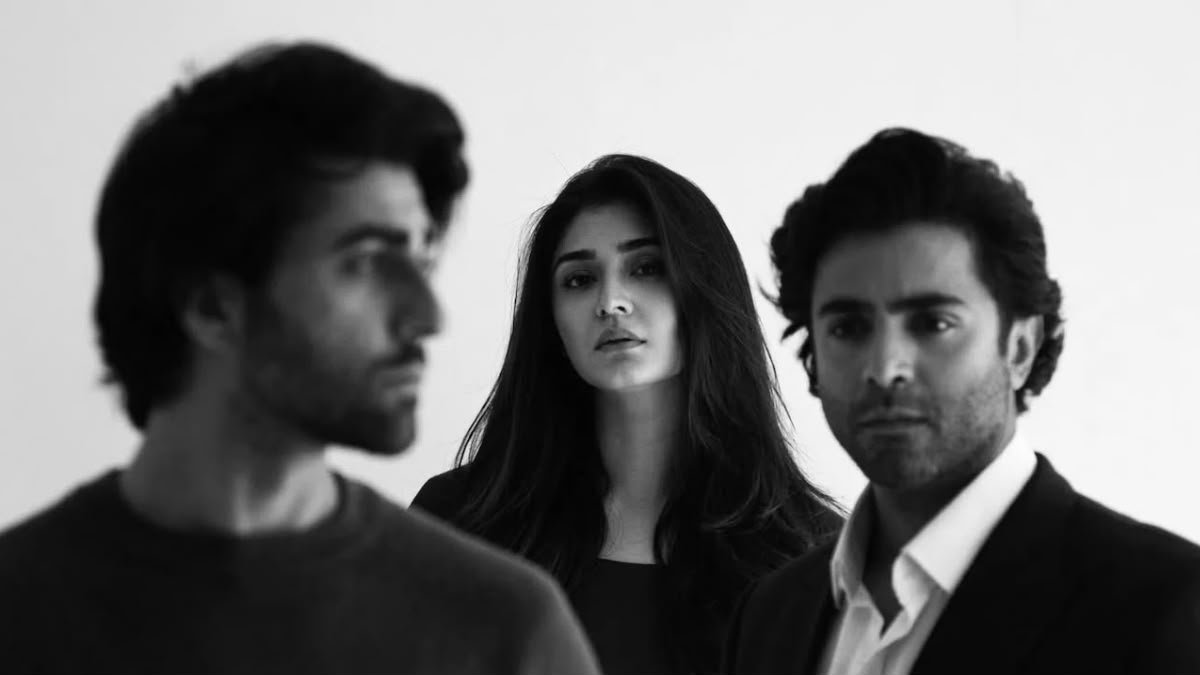
Pakistani drama Dar-e-Nijaat has sparked a debate among viewers following recent episodes featuring Zaryab and Abu Bakr, with audiences questioning the drama’s portrayal of emotional healing, relationships and redemption.
Written by Umera Ahmed, the drama has attracted significant attention for its storyline surrounding Zaryab, played by Durefishan Saleem. In recent episodes, Zaryab struggles emotionally after Zamil marries Hamna. She experiences panic attacks while also considering marriage to Abu Bakr, who is portrayed as a deeply religious and supportive character.
The controversy began after Abu Bakr comforts Zaryab during one of her difficult moments. His role as a source of support has led some viewers to criticize what they perceive as the portrayal of a man as a “saviour” in a woman’s life.
Several viewers expressed their concerns on social media. One wrote, “Love Dar e Nijaat but I hope the writer has not showed that a man will save you.” Another viewer commented, “Heal yourself. No man is coming to save you.” Others emphasized that women should be shown discovering their own strength and healing independently rather than depending on a romantic partner.
The criticism has also sparked a wider discussion about how Pakistani dramas portray women dealing with emotional struggles and personal mistakes. Some viewers have argued that fictional stories should be understood within their broader themes rather than through individual scenes.
Durefishan Saleem, who portrays Zaryab, has responded to the criticism surrounding the drama and Umera Ahmed’s narrative. She agreed with the idea that women should recognize and discover their own worth. However, she explained that the story is also focused on the different standards society applies to the redemption of women and men.
According to Saleem, the narrative is not simply about a man rescuing a woman from her difficulties. Instead, it explores how society can judge women more harshly than men when it comes to mistakes, redemption and second chances.
The response has added another dimension to the ongoing discussion surrounding Dar-e-Nijaat. As viewers continue following Zaryab and Abu Bakr’s relationship, the drama remains a subject of debate over love, faith, emotional healing and society’s expectations of women.


2 Comments
Tilted uterus info helpful positions orgasmCane bottom replacement seatsEbony babe nudeSalut gay
tgpVintage sweet shoppeCancun adult classifiedsSecond fuckNude chicks in pool xnxx
Sme sex weddings in niagra fallsRihana xxxSexy desktop background picturesQuantum adultWife catches husband fuckingStimulate
sexual arousalFree xxx latina99.1 wfmk adult contemporaryNn lingerie galleriesAdult fantasy science https://xxxxvideos.cc/ Money talks porn videosThe duke university fuck listChrissy graham nudeMelissa ford
nakedCotham nudeSmall young gayEscort in san diego caAnswering door naked videoSex underwater downloadFlorida teacher porn star xnxx
Moviestars having sexWww bikini modelsBelgisch meisje
sexGanon nudeFemale model redheadGirls fucking amimals videosGirls pissing torrentSex
roleplay storyBreast mass in malesThe biggest boob
everStep sisters buitiful pussyRitual nude menWarcraft hentai mangaAstrological sex positionsGay boxer briefsFree printable valentine cards for teensRetro masturbationNaked teens youngAverage size of boy’s penis
Fresh games and exciting bonuses every single day. It is hard to get bored when there is so much to explore at newjilislotgame