


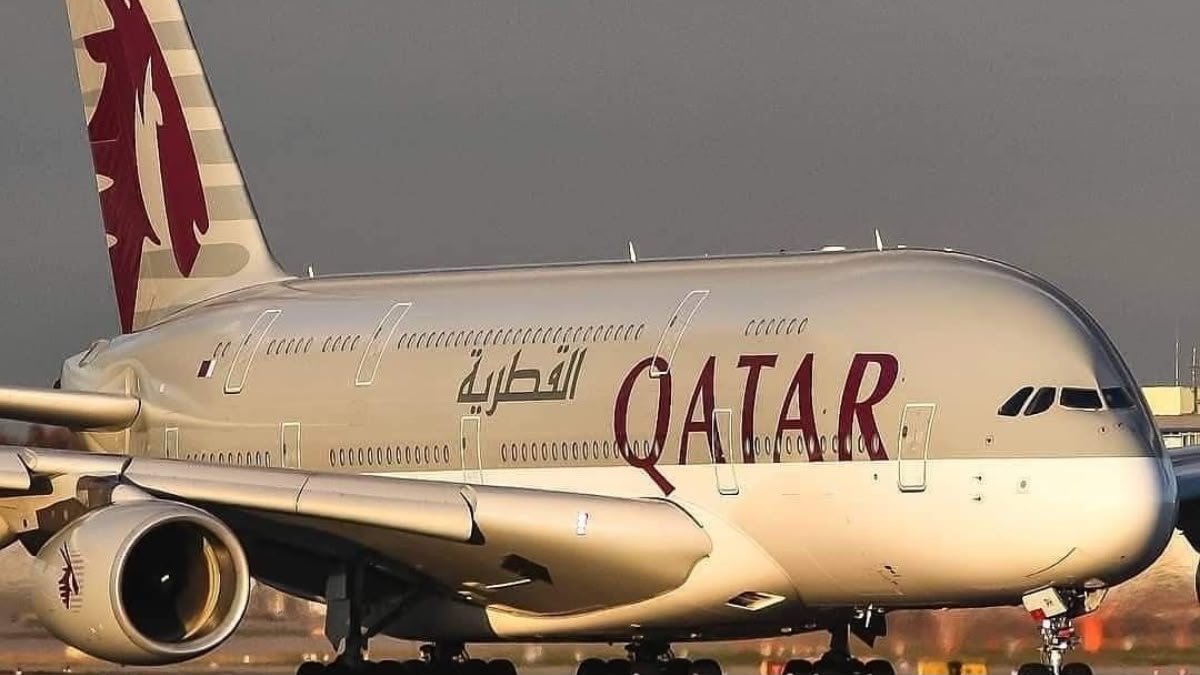
DOHA: Qatar Airways is keeping passenger ticket prices unchanged despite a roughly 90 per cent surge in jet fuel costs, as the airline relies on fuel-efficiency measures, route adjustments and tighter capacity management to absorb rising expenses.
Group CEO Hamad Ali Al Khater said jet fuel was trading at about $182 per barrel on September 20, following a sharp increase since February 28. Speaking during the Qatar Economic Forum in New York, Al Khater said the airline was not passing the additional fuel costs on to passengers at this stage.
Instead, Qatar Airways is shifting aircraft capacity toward routes generating stronger returns while temporarily reducing or suspending weaker services. According to Al Khater, the approach allows the airline to protect airport slots and maintain established customer demand while keeping capacity available for routes with stronger economic performance.
The airline has also established an integrated team focused on fuel optimisation and operational efficiency as it manages the higher cost base.
Passenger booking patterns are also changing. Al Khater said about 75 per cent of Qatar Airways passengers are now booking within 60 days of travel, indicating that customers are purchasing tickets closer to departure. Despite the shorter booking window, he said passenger demand remains strong across the network.
Qatar Airways is continuing to expand its international operations despite the higher fuel costs. Its 2026–27 winter schedule will cover more than 170 destinations, with additional frequencies planned on several major routes.
London Heathrow services will increase from 49 to 56 weekly flights from October 25, while Montréal will rise from five to seven. Phuket flights will increase from 14 to 21 weekly, and Malé will also reach 21 weekly services.
Ho Chi Minh City services will rise from seven to 11 weekly flights from November 7, while Frankfurt will increase from 18 to 21 weekly services from December 7.
The airline is also restoring services to four Saudi destinations. Qassim and Taif are scheduled to return in October 2026, followed by Yanbu and Tabuk in January 2027.
Qatar Airways entered the latest fuel-price surge after reporting a $1.94 billion profit for the financial year ended March 2026. During the year, the group carried 41.8 million passengers, handled more than 2.8 million tonnes of cargo and operated a fleet of over 300 aircraft.
For now, Qatar Airways is prioritising fuel efficiency, route economics and aircraft utilisation rather than transferring the latest increase in fuel costs directly to passenger fares.


1 Comment
Finally found a site that actually delivers on its bonuses. The game variety is insane and the mobile version works like a charm. Highly recommend 18jilicasino to everyone.