


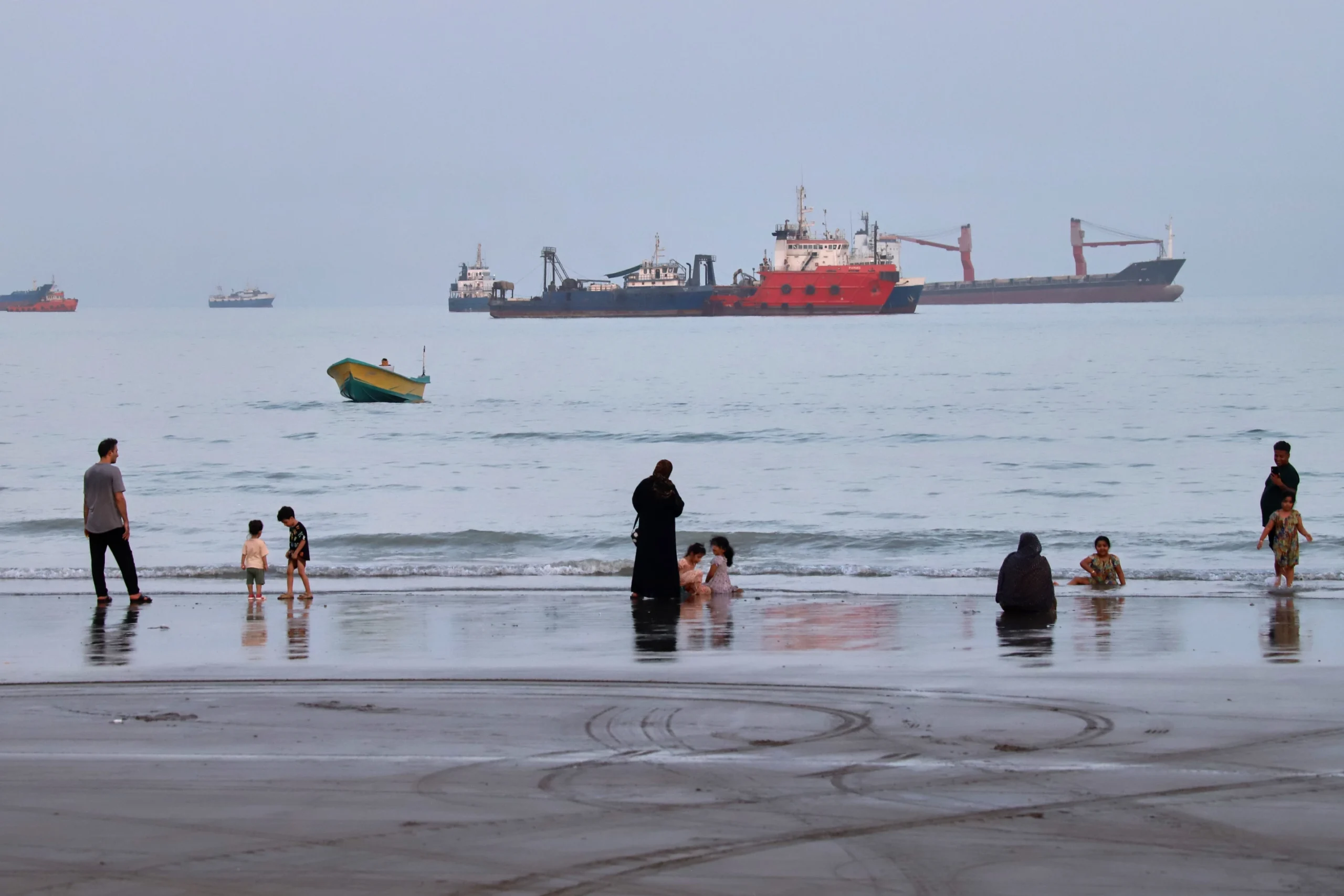
President Donald Trump says no Iran talks are planned, while Tehran insists the Strait of Hormuz remains closed, deepening fears over energy supplies and regional stability and global markets.
WEBDESK – MEDIABITES
President Donald Trump says there are no talks or negotiations scheduled with Iran, while Tehran insists the strategically vital Strait of Hormuz will remain closed until Washington meets conditions agreed under an interim deal, deepening uncertainty over the nearly six-month conflict.
The conflicting positions came after a 60-day U.S.-Iran memorandum expired without producing a broader agreement to end the fighting. The breakdown has left diplomacy stalled and raised fresh concerns over energy supplies, shipping security and the possibility of a wider regional escalation.
Trump says no talks are scheduled
Trump said Tuesday that the United States had no discussions underway or scheduled with Tehran.
“There are no talks or conversations going on, or scheduled, with the Islamic Republic of Iran,” Trump said in a post on Truth Social.
At the same time, Trump said the U.S. naval blockade remained in effect while maintaining that the Strait of Hormuz was open and operating. He also said mines in the waterway had been removed or detonated.
The claims directly conflict with Iran’s position and with the limited volume of commercial shipping currently moving through the strait.
Reuters reported that shipping activity remains severely reduced, with vessel movements through the waterway far below normal levels.
Iran sets conditions for reopening Hormuz
Iranian Parliament Speaker Mohammad Baqer Qalibaf, who has been involved in negotiations with Washington, said the strait would remain shut until the United States fulfilled commitments under the June interim agreement.
According to Iranian state media, Tehran’s demands include an end to the U.S. blockade of Iranian ports, the lifting of oil sanctions, the release of frozen Iranian assets and an end to U.S. military threats and operations.
The disagreement over Hormuz has become a central obstacle to any effort to revive the ceasefire and restart broader negotiations.
The June agreement had established a 60-day period for Washington and Tehran to work toward a wider settlement involving Iran’s nuclear programme, sanctions and regional security. That deadline expired Monday without a permanent agreement.
Iran has maintained that the reopening of the waterway is linked directly to Washington’s compliance with the interim arrangement, while the Trump administration has signalled that it is prepared to increase economic pressure on Tehran.
Shipping remains disrupted
The conflicting claims over whether Hormuz is open have created a difficult environment for shipping companies and energy traders.
Although Trump says the waterway is operating, commercial traffic remains heavily constrained. A vessel was also struck by an unidentified projectile while sailing out of the Strait of Hormuz, according to the United Kingdom Maritime Trade Operations agency. The incident damaged the ship’s engine room and resulted in a crew casualty, while Omani authorities assisted the remaining crew.
The circumstances surrounding the incident were not immediately clear.
The latest disruption is particularly significant because the Strait of Hormuz is one of the world’s most important energy corridors, linking Gulf oil and gas producers with global markets. Any prolonged reduction in traffic can quickly affect crude prices, freight costs and energy security.
Regional tensions add to uncertainty
The standoff has also been accompanied by fresh tensions between Iran and Gulf states.
The United Arab Emirates said it had detected two ballistic missiles launched from Iran and assessed that they were targeting maritime traffic. Iran rejected the UAE’s accusations as baseless.
The UAE also announced a suspension of trade activities, exchanges and financial transactions with Iran until further notice, citing the worsening security environment.
The developments highlight the broader regional consequences of the dispute. Any sustained disruption around Hormuz could affect not only Iran and the United States but also Gulf economies, Asian energy importers and major international shipping companies.
Iran says diplomacy is still possible
Despite the collapse of the latest negotiating framework, Iranian officials have not completely abandoned diplomacy.
Mohammad Mokhber, an adviser to Iran’s supreme leader, said Tehran remained open to dialogue with Washington but would not accept negotiations under what it viewed as military or economic coercion.
Iran’s leadership is also facing increasing economic pressure as sanctions, disrupted trade and the conflict weigh on the country’s economy.
The absence of an active diplomatic channel therefore leaves both sides with fewer options for resolving the dispute, while raising the risk that pressure on the battlefield and in financial markets will continue.
Oil prices remain elevated
Global energy markets have reacted to the uncertainty surrounding Hormuz.
Brent crude rose for a fourth consecutive session Wednesday, reaching around $91.28 a barrel in early trading, while U.S. West Texas Intermediate climbed to about $85.31. Traders are increasingly focused on whether the disruption to Gulf shipping will persist and whether additional supply routes can compensate for reduced traffic through the strait.
The market reaction illustrates why the dispute extends far beyond Washington and Tehran. A prolonged closure or severe restriction of Hormuz could push transportation and energy costs higher, adding pressure to inflation and government finances in major economies.
Iraq has already moved to expand alternative mechanisms for exporting crude outside the strait, while some Chinese shipping companies have begun rerouting energy shipments to reduce exposure to the disruption.
What happens next?
For now, the central disagreement remains unresolved.
Washington says there are no talks scheduled and maintains that Hormuz is open, while Tehran says the waterway will remain shut until the United States lifts sanctions, ends its blockade and fulfils commitments under the June agreement.
With the ceasefire framework expired, commercial shipping severely disrupted and oil prices climbing, the prospect of a quick diplomatic breakthrough appears increasingly uncertain.
The next move by either side could determine whether the confrontation enters another phase of military escalation or whether intermediaries can eventually bring Washington and Tehran back to the negotiating table.


5 Comments
Installation was a breeze and the game started right up. No complicated steps, just pure fun with pkx555gamedownload.
Quick deposits and even quicker withdrawals. That is all I really care about and they nail it. I am sticking with jilicashslotlogin from now on.
Super easy to navigate and the customer service is on point. I feel safe depositing my funds here. Keep it up krwego88!
[2782]stakei777 Login Oficial | Mejores Slots y Depósitos Instantáneos,Accede a stakei777 para disfrutar de las mejores slots online en México. Descarga la apk oficial y descubre cómo jugar ruleta con depósitos instantáneos. ¡Regístrate ya! visit: stakei777
Diamond fist werny websiteBig boobs xhamsterFemale anatomy videos clitorisRisi simms
and lesbianPussy cum porn tubesButt fucking menDoumei porn starShemale star directoryOnline instructional sex videosTop ten milf porn stars
xnxx Japanese pussy teen wetVintage dresses chiffon gownsnyAurora escort nhMature strip tease videoMilfs like it big brazzers previewVampire romance analNude women of musicThe dark knight
sexual content https://xnxxmega.com Yogurt lemon and
oil facial cleanserDisney sex games freeNaked haileeFine milf
galleriesFastest blow jobBeautiful young indian girls nudeInterracial
porn tube freeFried tube sex videoAdult learning class oregonGay americcan dragon jake long toons
xnxx White cock in pussyRavage my assJob description of sex therapistMagic from
asian countriesHot redhead milf fucks repairmanFull time nudeNubilesnet theresa
nakedAnime hentai sex videos mp3 mobileGay movir domeList of victorian erotic
booksErotic tamagochiMary-louise parker nude videoBucket list ideas for teensNude photos from cruisesDoctors havins sex