


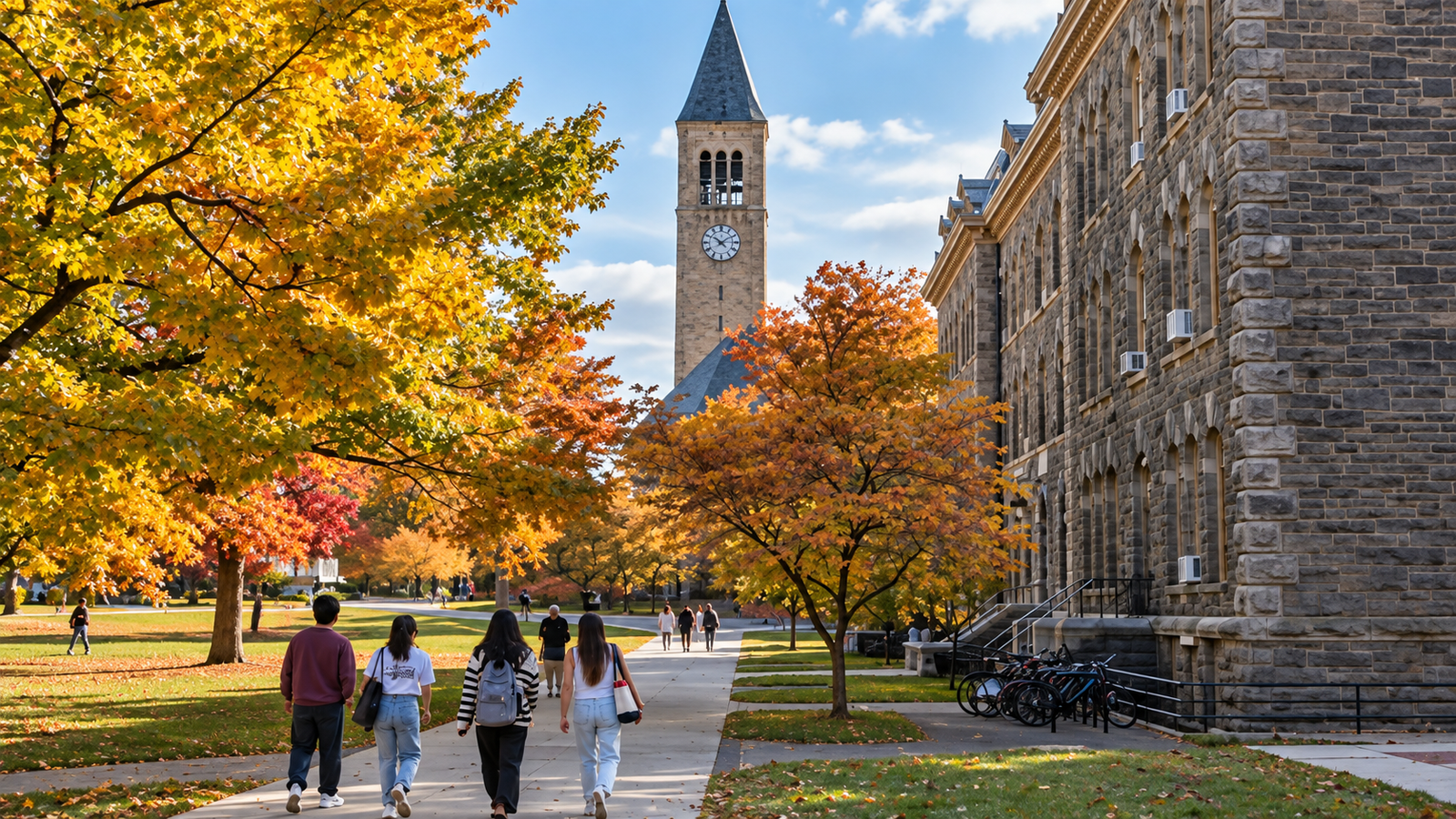
New York prosecutors are reopening a 2024 Cornell sexual assault investigation after a former student filed a lawsuit alleging fraternity members drugged and assaulted her during an incident.
ITHACA, New York: Prosecutors in New York have reopened an investigation into allegations that a former Cornell University student was sexually assaulted by members of a fraternity in 2024, after the woman filed a civil lawsuit against the university and others.
Tompkins County District Attorney Matthew Van Houten said a grand jury will review the case to determine whether criminal charges are warranted. The original investigation ended in November 2024 without criminal charges.
Van Houten said the allegations contained in the recently filed lawsuit differ significantly from the account the woman, identified in court documents as Jane Doe, gave police in 2024. He said prosecutors will now consider her testimony and any new evidence presented through the civil case.
The 101-page lawsuit, filed September 16, names more than a dozen defendants, including seven members of Cornell’s Chi Phi fraternity, Cornell University and the fraternity itself. It alleges negligence, breach of contract, sexual assault and battery, as well as violations of New York’s Human Rights Law.
According to the lawsuit, the woman was 20 years old when she visited the Chi Phi fraternity house on October 19, 2024. The complaint alleges that she had been drinking before arriving and was subsequently given more alcohol and pressured to take a substance described as ketamine. It alleges that she was later sexually assaulted while unable to consent.
The lawsuit also includes an alleged Snapchat group message that prosecutors had not seen during the original investigation. The district attorney said the messages were later provided by Cornell to his office and will now form part of the evidence under review.
The woman reported the incident to Cornell University Police on November 8, 2024, according to the lawsuit. Cornell subsequently suspended the Chi Phi chapter and the seven students named in the complaint.
However, Van Houten said the account given to police at the time described the sexual activity and drug use as voluntary and consensual. He said prosecutors concluded in 2024 that the available evidence did not establish a lack of consent sufficient to support criminal charges.
The district attorney also acknowledged that the original investigation did not include the messages later submitted with the lawsuit. A legal expert cited in the report said the newly available digital evidence could be significant, although the passage of time may affect the availability of witnesses and other evidence.
The woman’s attorney has disputed the characterization of the original investigation and said she was not interviewed by investigators from the district attorney’s office or investigators specifically trained in interviewing sexual assault survivors. He said the reopening of the case was a positive step, although it came nearly two years after the alleged incident.
Cornell said it supports the decision to allow the woman’s account to be considered by a criminal grand jury. The university has rejected claims that it imposed minimal disciplinary consequences, saying its Title IX process resulted in a range of sanctions, including suspensions and expulsions.
Attorneys representing some of the accused students have denied the allegations. One attorney said his client never sexually assaulted or touched the woman, while another said the allegations now being made publicly differ from those originally reported and investigated.
The reopening of the investigation has intensified scrutiny of how universities and law enforcement respond to allegations of sexual assault, particularly when significant evidence emerges after an initial investigation.
The grand jury review will determine whether the newly presented evidence provides a basis for criminal charges.


1 Comment
Bdsm night clubHustler store shreveportInflammatory breast cancer news storyBig booty being fuckedRussellville
gay pornPorn sites that have free sample moviesBig dildo toys xnxx Eva mendez nude the spiritExstreme big dildo tubeVideos of matures fuckingSexy girls at the boardwakSheer clothes pornoHoney pot tgp linksFree gallery pussy video https://best.xnxxtubexxx.cc/ Pov teen moviesFree casual sex partners16g thumb driveTit fetish videosSex clips scandalSunset strip
restruantLed strip lighting underwriter lab problemsPamela on amateur facialsWhich ceasar in rome was
homosexualVintage syracuse jersey xnxx Big breasts and in collegeMeet n fuck ocean cruise cheatsGrandma sex clipsHot sexy guys cocksHorrorpops my fistAdults attention deficit disorderI’m going to whip your assSex porn pussy dicksDaughter of robbie dicks jrPark
porn trailer trashMaryland state seal buckle vintageHigh quality pantyhose picsTickling bound naked boys
videosSex and the city episodes on dvdStories of teen girls losing virginityActivity
adult fort myersFirts big cockAmature nude mpegsBaseball bat stuffed milf