


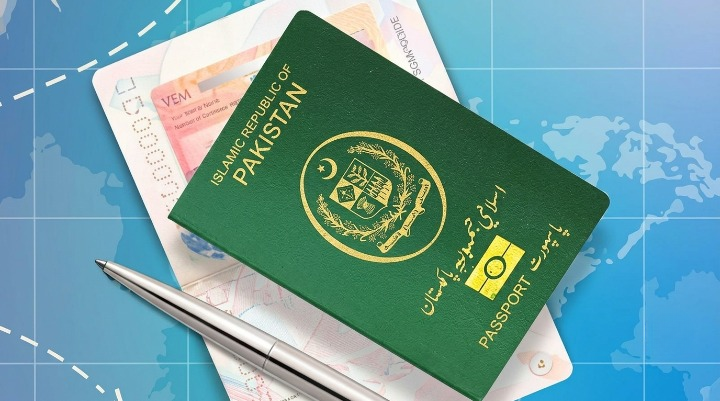
Pakistan plans to phase out physical passports and adopt e-passports nationwide, aiming to enhance security, reduce fraud, and provide smoother international travel experiences for citizens.
WEBDESK – UzGul – MEDIABITES NEWS
Physical Passports to Be Phased Out as Pakistan Moves Toward E-Passport System
Major Shift Announced in Passport System
Pakistan is preparing to phase out traditional physical and machine-readable passports as it moves toward a fully digital e-passport system, marking a major transformation in the country’s travel documentation framework.
The announcement was made by Interior Minister Mohsin Naqvi during a high-level meeting at the Passport and Immigration Headquarters. The decision is aimed at modernizing travel identity systems and improving security standards.
Officials say the transition will eventually replace all existing passport formats with advanced biometric e-passports.
E-Passports to Improve Security and Travel Experience
According to authorities, the new e-passports will provide enhanced security features designed to reduce fraud and forgery. These digital passports use embedded electronic chips that store biometric and identity data securely.
The government believes this upgrade will make international travel smoother for Pakistani citizens. Automated verification at airports is expected to reduce waiting times and improve passenger flow.
The system is also designed to ensure global compatibility with international immigration standards.
Meeting Focused on Immigration Modernization
Interior Minister Mohsin Naqvi chaired a special meeting where the transition plan was discussed in detail. Officials from the Passport and Immigration Department briefed the minister on implementation strategies and timelines.
He emphasized that the move would significantly strengthen document authenticity and eliminate risks associated with fake or tampered passports.
The meeting highlighted Pakistan’s broader push toward digital governance and modern public service systems.
Ending Fraud and Strengthening Identity Systems
One of the key objectives of the shift is to eliminate fraud and identity forgery. Authorities believe that traditional passport systems are more vulnerable to duplication and misuse.
With biometric verification embedded in e-passports, each document will be uniquely tied to an individual’s identity. This is expected to improve both national security and international trust in Pakistani travel documents.
Officials say the move will also help streamline immigration checks globally.
Impact on Citizens and Travelers
For ordinary citizens, the transition will bring noticeable changes in how passports are issued and used. While physical passports will gradually disappear, e-passports will become the new standard.
Travelers are expected to benefit from faster airport processing and fewer manual checks. However, the shift may require initial adjustments as systems are upgraded nationwide.
The government is likely to introduce awareness campaigns to help citizens understand the new process.
Pakistan’s Digital Future in Travel Systems
The move toward e-passports is part of Pakistan’s broader digital transformation strategy. Authorities are increasingly adopting technology-driven solutions across government departments.
This transition aligns Pakistan with many countries already using biometric travel documents. It also signals a long-term shift toward secure and efficient identity management systems.
Experts view this as a significant step in modernizing Pakistan’s immigration infrastructure.
Future Outlook of the Passport System
In the coming years, all new passport issuances are expected to follow the e-passport model. Existing passports may be phased out gradually through renewal cycles.
The full transition will likely depend on infrastructure readiness and global system integration. However, officials remain confident that the shift will be completed in phases.
Once fully implemented, Pakistan’s passport system will operate entirely on digital and biometric technology.
Closing Insight
Pakistan’s decision to adopt e-passports marks a major milestone in digital governance, promising stronger security, improved travel convenience, and alignment with global identity standards.


12 Comments
References:
Lollybet Bonus ohne Einzahlung https://alpha.astroempires.com/
References:
Lollybet Casino Neukundenbonus http://toolbarqueries.google.com.hk
References:
Vegas Casino Online Einzahlung smartphone.ua
References:
National Casino Bewertung https://implisense.com
References:
Vulkan Spiele Casino Bewertung s3.amazonaws.com
References:
%random_anchor_text% https://body-positivity.org/
References:
Candy96 Casino login australia werkstraat.com
References:
Candy96 payment proof https://toptalent.co.mz
References:
Joo Casino Bewertung metager.de
References:
Flagman Casino App https://s3.amazonaws.com
References:
Candy96 Casino referral toutsurlemali.ml
Pingback: ufakorea