


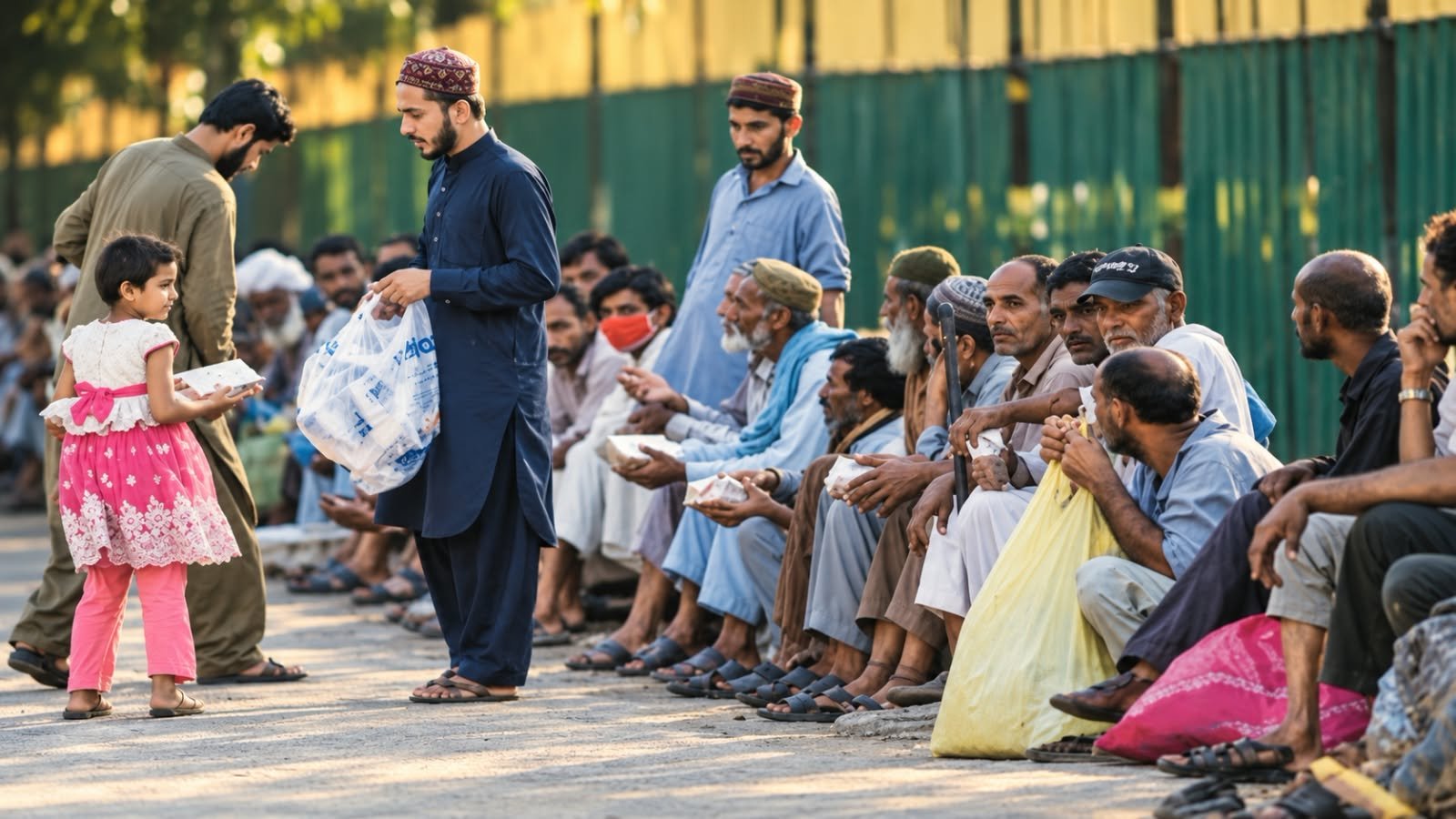
Pakistan is home to 48% of the poor people in the region, according to a recent World Bank report highlighting rising poverty and economic pressures in the country.
The report stated that people living in poverty in Pakistan earn less than $3 a day, with the poverty rate increasing between 2018-19 and 2024-25. Prolonged economic reforms, declining real household incomes and fewer employment opportunities have contributed to the increase.
According to the World Bank, Pakistan has faced several negative economic shocks in recent years, including the COVID-19 pandemic and the devastating floods of 2022. Inflation, currency depreciation and the broader economic crisis have further affected household incomes and living standards.
The report noted that poverty increased by 6.4% at the $3-a-day poverty line, while the increase stood at 3.2% at the $4.20-a-day line. The World Bank also projected Pakistan’s GDP growth at around 2.2% for the fiscal year, broadly similar to the previous year.
READ MORE: Saudi Air Defenses Shoot Down Houthi Ballistic Missile North of Riyadh
Rising energy costs have added to economic pressure. The report said petrol prices increased by around 40% in both Pakistan and Lebanon following the escalation of conflict in the Middle East. Diesel prices in Pakistan also increased by more than 40%.
Pakistan is among several oil-importing countries being affected through economic channels, including higher prices for oil and other commodities. The World Bank warned that rising prices are contributing to inflation, reducing fiscal space and affecting remittances from Gulf economies.
The report further highlighted higher borrowing costs and insurance expenses due to increased economic risks. It also noted that Pakistan’s private sector has yet to fully adapt to the changing needs of the economy.
Webdesk: Zunaira Fatima

