


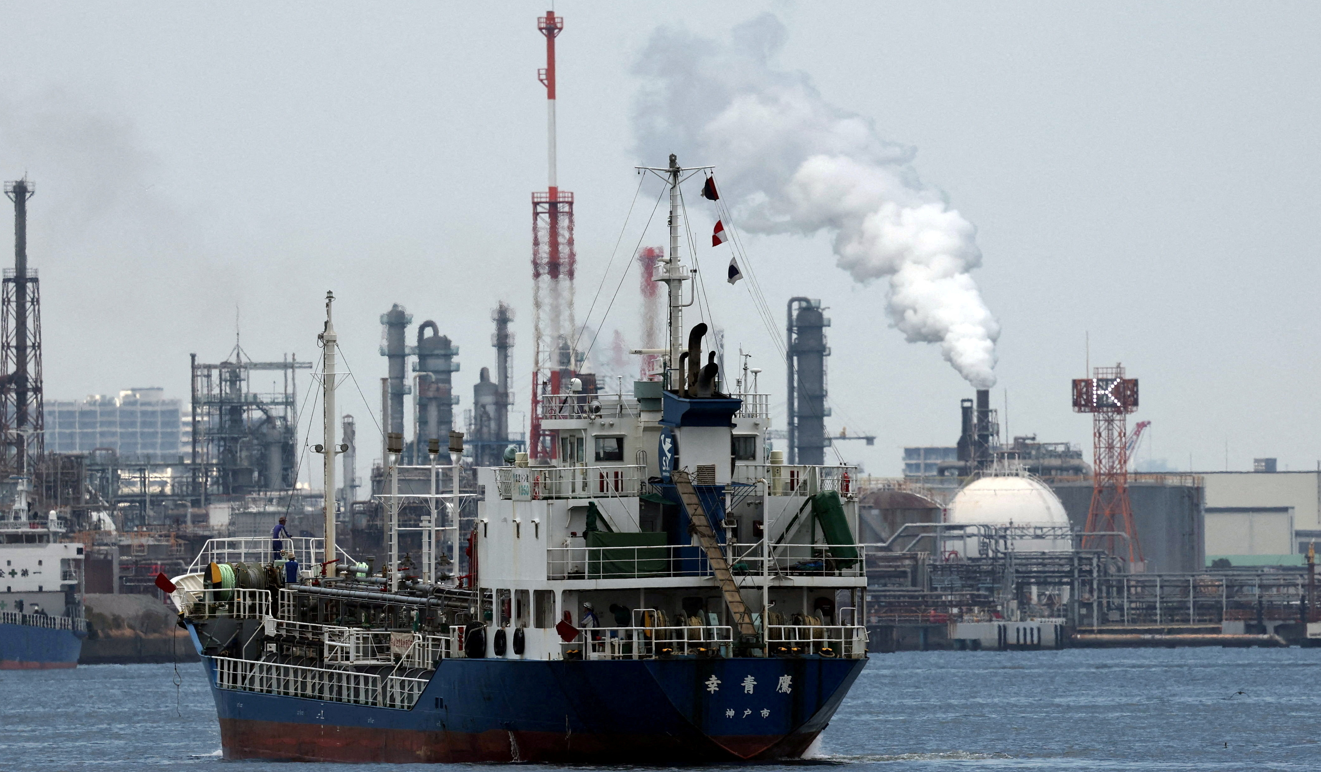
Oil Prices rose above $101 a barrel as a forming Gulf of Mexico hurricane and fresh Houthi attacks on Saudi airports rattled energy markets already stretched by months of Middle East conflict.
WEBDESK – MEDIABITES
Oil prices pushed higher on Wednesday as traders weighed two converging supply threats: a storm bearing down on U.S. oil-producing regions and escalating Houthi attacks on Saudi Arabian infrastructure.
Brent futures rose $1.05, or 1.04%, to $101.63 a barrel by 0400 GMT. U.S. West Texas Intermediate (WTI) crude futures gained 80 cents, or 0.89%, to $90.24 a barrel.
Gulf Storm Adds Fresh Pressure
U.S. forecasters warned on Tuesday that a storm forming in the Gulf of Mexico is expected to become the first Atlantic hurricane of 2026 within two days, placing major oil and gas infrastructure in its path. The offshore areas at risk account for 15% of U.S. crude oil output and 5% of the country’s natural gas production. Up to six refineries could be affected, with Gulf state refineries representing roughly 50% of the U.S. national refining capacity of 18.2 million barrels per day.
KCM Trade chief analyst Tim Waterer described the storm as an “unwelcome complication for crude, raising the prospect of production and refining disruptions at a time when the market already has enough supply-side headaches.”
Adding to the pressure, U.S. crude oil inventories fell by 2.09 million barrels in the week ended October 2, according to data cited by market sources from the American Petroleum Institute.
Houthi Attacks on Saudi Airports Escalate Tensions
On the geopolitical front, Saudi Arabia’s airports in Jazan and Najran were struck in two separate attacks on Monday evening, according to the Saudi General Authority of Civil Aviation. The attacks came as Saudi-backed Yemeni government forces pressed a major offensive to retake territory from Houthi rebels, with Riyadh intensifying airstrikes in support of the campaign.
ING commodity strategists noted that “supply risks from the Middle East are still very real amid continued attacks on ships,” adding that the market is “likely to remain nervous to any potential supply disruptions.”
Supply Recovering but Fragile
On a more positive note, Saudi Arabia’s East-West pipeline reached 5.8 million barrels per day, Saudi Energy Minister Prince Abdulaziz bin Salman said Tuesday. The head of Vitol also noted that around 12 million barrels per day of crude oil and 2 million bpd of refined products had left the Middle East on tankers over the past seven to ten days.
However, analysts cautioned that the recovery remains fragile. Mukesh Sahdev, chief oil analyst at X Analysts in Sydney, said attacks and refinery outages are “likely to keep the cracks elevated and scarcity will transmit to crude,” adding that prices would hold near $100 “without any material de-escalation emerging.”
Meanwhile, U.S.-Iran relations showed no signs of improvement, with President Donald Trump saying on Tuesday that “nobody knew who was running Iran” during the eight-month U.S.-Israeli war with Iran.
Reporting based on Reuters/Brecorder.


2 Comments
I won a decent amount yesterday and the withdrawal was processed almost instantly. Total game changer. Visit phjili988 for the win.
Greetings! Very useful advice within this article! It is the little changes that
will make the biggest changes. Thanks a lot for sharing!
xnxx