


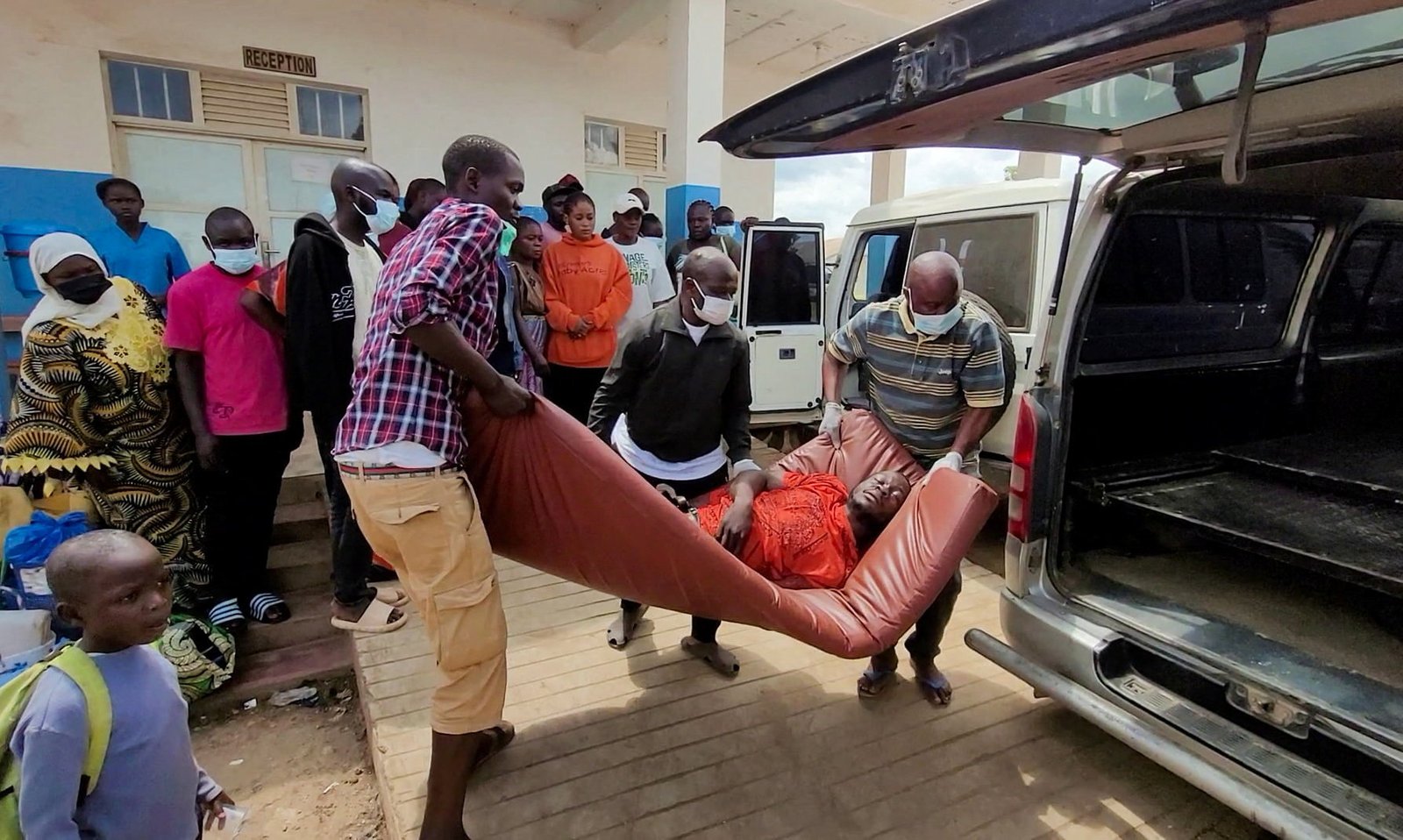
The World Health Organization has declared an international health emergency after a fast-spreading Ebola outbreak in the Democratic Republic of Congo killed more than 80 people, raising fears of another major global health crisis.
WEBDESK – MediaBites NewsThe
World Health Organization has declared a global public health emergency over a rapidly spreading Ebola outbreak in the Democratic Republic of the Congo, triggering fresh international concern over the possibility of another large-scale infectious disease crisis.
According to the Africa Centers for Disease Control and Prevention, at least 88 people have died while 336 suspected cases of the highly contagious virus have been reported so far.
The outbreak is linked to the rare and dangerous Bundibugyo strain of Ebola, for which no approved vaccine or specific treatment currently exists.
The WHO announced on Sunday that the outbreak now constitutes a “public health emergency of international concern,” the second-highest alert level under international health regulations.
However, the organization stopped short of declaring a full pandemic emergency, a new highest-level alert category introduced in 2024 after lessons learned from the COVID-19 crisis.
Health authorities warned that the real scale of the outbreak may be significantly larger than currently reported.
“The number of cases and deaths we are seeing in such a short timeframe is extremely concerning,” said emergency officials from Doctors Without Borders, which is preparing a large-scale emergency response.
Officials said the outbreak began in Ituri province in northeastern Congo, near the borders with Uganda and South Sudan, heightening fears of cross-border spread.
A Congolese citizen infected with the same Ebola strain has already been confirmed in neighboring Uganda.
Congo’s Health Minister Samuel-Roger Kamba warned that the Bundibugyo strain could have a fatality rate of up to 50 percent.
“This strain has no vaccine and no specific treatment,” he said.
Local residents described chaotic conditions in affected communities, with hospitals overwhelmed and infected people reportedly dying at home.
“There is nowhere to isolate the sick,” local civil society representative Isaac Nyakulinda told AFP.
Ebola symptoms include fever, severe bleeding, vomiting, and organ failure. The virus spreads through direct contact with the bodily fluids of infected individuals, while the incubation period can last up to 21 days.
The Democratic Republic of Congo has experienced 17 Ebola outbreaks over the past five decades, including the deadliest outbreak between 2018 and 2020 that killed nearly 2,300 people.
Health experts say the current outbreak is especially alarming due to the absence of vaccines for the Bundibugyo strain, weak healthcare infrastructure, and the growing risk of regional transmission.
The WHO also warned that the actual number of infections may be far higher than detected due to limited testing and logistical difficulties in remote regions.
The outbreak comes as global health systems remain sensitive to pandemic fears following the devastating impact of COVID-19, which exposed weaknesses in international preparedness and emergency response mechanisms.


1 Comment
Pingback: ยิง sms