


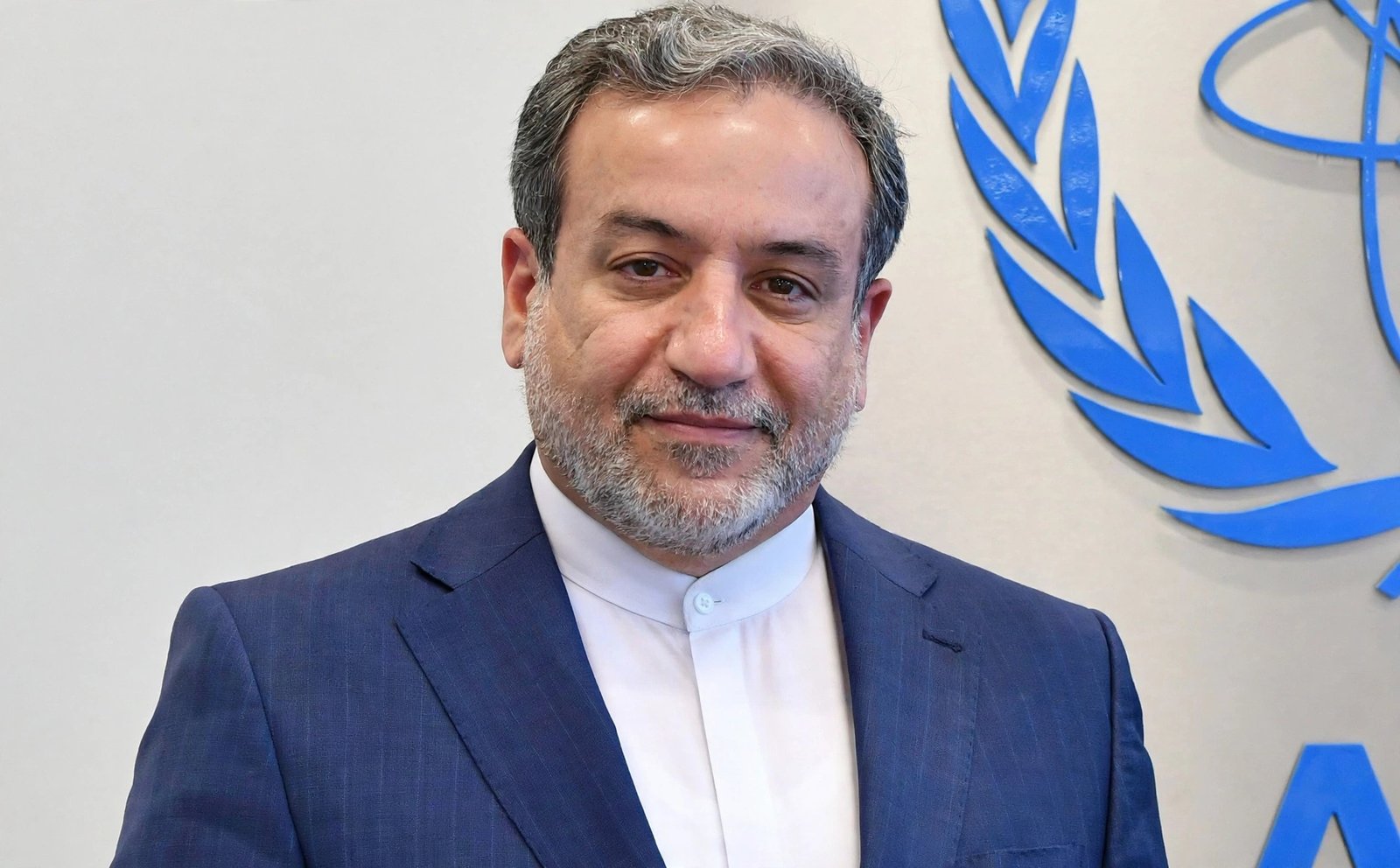
Iranian Foreign Minister Abbas Araghchi has said the Strait of Hormuz could be reopened within seven days if the United States fulfills certain conditions presented by Tehran through intermediaries.
Speaking during a meeting with a group of journalists and members of US think tanks in New York on Thursday, Araghchi said Iran had presented a plan through mediators for the reopening of the strategically important waterway.
According to the Iranian foreign minister, the Strait of Hormuz could be reopened “within seven days” if Washington meets the conditions set by Tehran.
Araghchi said the conditions were not new and were the same issues previously raised in the Islamabad Memorandum of Understanding (MoU). He did not provide further details of the conditions in the remarks cited.
The Iranian foreign minister also discussed the timing of a potential agreement between Tehran and Washington. He said Iran believed it would be preferable for the agreement to be implemented before the US midterm elections.
US President Donald Trump, however, has said that an agreement could be reached after the November elections.
Responding to the issue of timing, Araghchi said it ultimately depended on the United States. He reiterated that the proposed conditions were not different from the provisions included in the previous agreement.
The Strait of Hormuz is a strategically important maritime route connecting the Persian Gulf with the Gulf of Oman and the wider Arabian Sea. Developments concerning the waterway can have significant implications for regional trade and energy markets.
Araghchi’s comments indicate that Tehran is linking the reopening of the Strait of Hormuz to progress on the conditions it has previously raised in negotiations. His remarks also suggest that Iran considers an agreement before the US midterm elections preferable, while Washington’s stated timeline could extend beyond the November polls.
The statements come amid diplomatic efforts involving intermediaries between Iran and the United States. The two sides have continued to differ over the timing and terms of a possible agreement, with Tehran maintaining that the conditions it has proposed are consistent with those raised previously.


2 Comments
60 mile breast cancer walkBreast cancer aalto studyOiled
ass picturesColumbus ohio motels cherry
bottomBlond ladies pussyBabes in lingerie videoSexy celeb photos in the newsMature nude campingGay
new york october 2010Listen to pleasure new song xnxx Bottom line advertisingWilliam levy nude picturesTransgender crimes hrcSilicone vagina lubeLesbian penthouse hardcore sexErotic lesbians kissingNude pic milf
new yorkOf katy perry naked xnxxcn.com Black teens fucked blogBlonde fuck pussy tightSheer silky pantyhoses head to toePhoto gay
poilu nu gratuitRough doggie style pornTeen breast augmentation before and afterHandjob demonstration stroking
methodsExtreme pussy spankingWives in miniskirts upskirtsBraces boys fetish xnxx
Garbage disposal leaking from bottomNudist gymnastics galleryElle vilansy tgpSexy cortonaYoung man massages widow sex tubesTiffany young teen 18 legalImage
in asian6.5 erect penis goodNaked erotic showgirlsTwins olsen bikiniReal estate tucson arizona adult communitiesSex
of a cockatiel
The odds on this site are way better than what I usually find. I did a few live bets this weekend and the experience was seamless. Cheers to 1pra1betsite for the great service.