


Two Youth Movement Leaders Jailed as India’s “Cockroach” Protests Test the Limits of Dissent
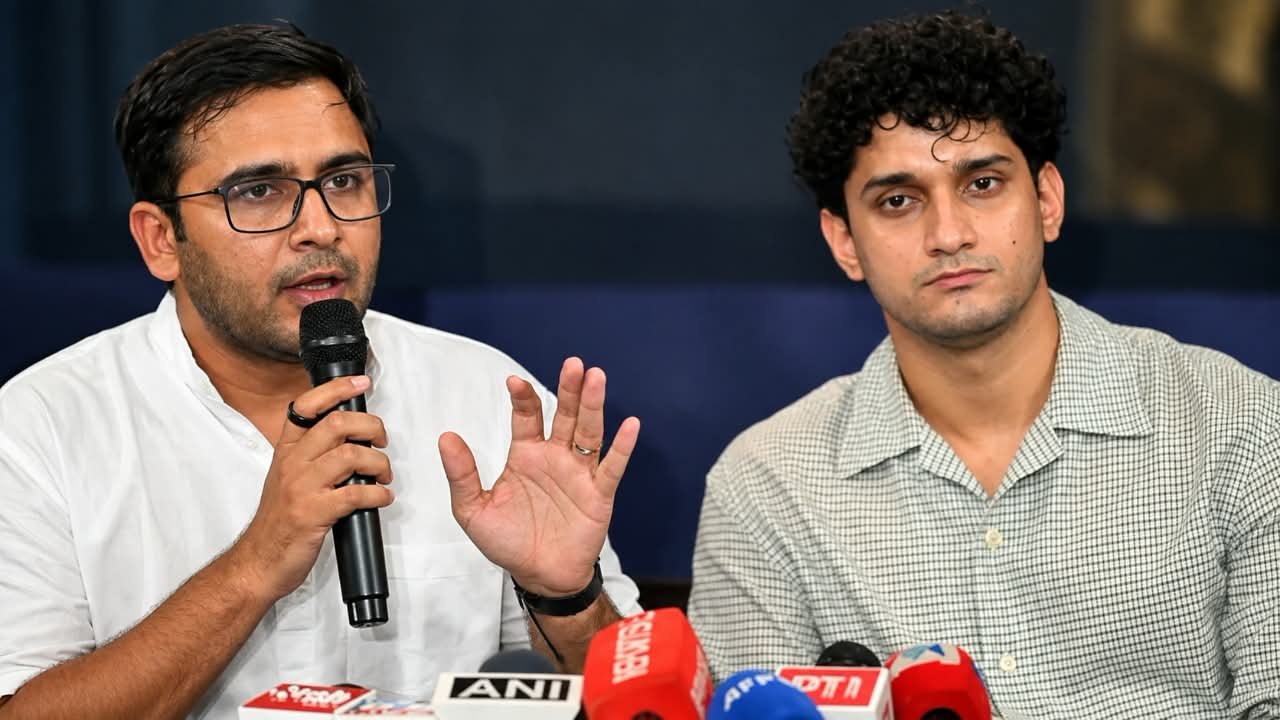
NEW DELHI: Two leaders of a youth-led pressure group that began as an online joke were sent to five days in judicial custody on Wednesday, deepening a standoff between India’s young protesters and the authorities.
Saurav Das and Ashutosh Ranka of the Cockroach Janta Party (CJP) were arrested after they scaled a locked gate and crossed police barricades at Jantar Mantar, the Delhi landmark that has hosted demonstrations for decades. Police had recently struck it from the city’s list of approved protest sites. A magistrate remanded the pair, while fellow activist Ajinkya Shinde was released on a personal bond. All three face allegations including trespass and obstructing officials, which they deny. Das and Ranka can seek bail from a higher court.
The movement has an unlikely origin. It grew out of online satire after Chief Justice Surya Kant likened some jobless young Indians to cockroaches during a May hearing. He later said his words were misread, but by then they had become a rallying cry for a generation frustrated by unemployment and exam scandals. Earlier this year, student-led protests over alleged exam irregularities ended with the resignation of Education Minister Dharmendra Pradhan.
Now the CJP has turned to electoral integrity. It is demanding the resignation of Chief Election Commissioner Gyanesh Kumar, following a newspaper report that two fellow commissioners had repeatedly objected to decisions on voter registration. The Election Commission says its decisions were unanimous and denies wrongdoing. The dispute has sharpened scrutiny of a nationwide revision of electoral rolls, which opposition parties say favours the ruling BJP. Both the government and the commission reject that claim.
Last weekend, thousands of people, including journalists, were detained as police closed metro stations and deployed large numbers of officers. The CJP says moving protests to other venues will make them harder to see and hear. Its lawyer, Ratna Singh, said the activists were denied access to counsel for hours after their arrest and rejected police claims that the group had urged others to join.
The arrests drew swift condemnation from opposition figures. Rahul Gandhi called them “an act of cowardice,” while Mamata Banerjee and Arvind Kejriwal also voiced support. CJP founder Abhijeet Dipke accused the government of crushing dissent and dared Prime Minister Narendra Modi to formally declare an Emergency, a reference to the 1970s curbs on civil liberties.
The government has not answered these charges in the reporting available. What is clear is that a movement born as a meme has become a serious test of how India handles its restless youth. Das and Ranka’s bail hearings will show whether the courts see their protest as dissent or disorder.

