


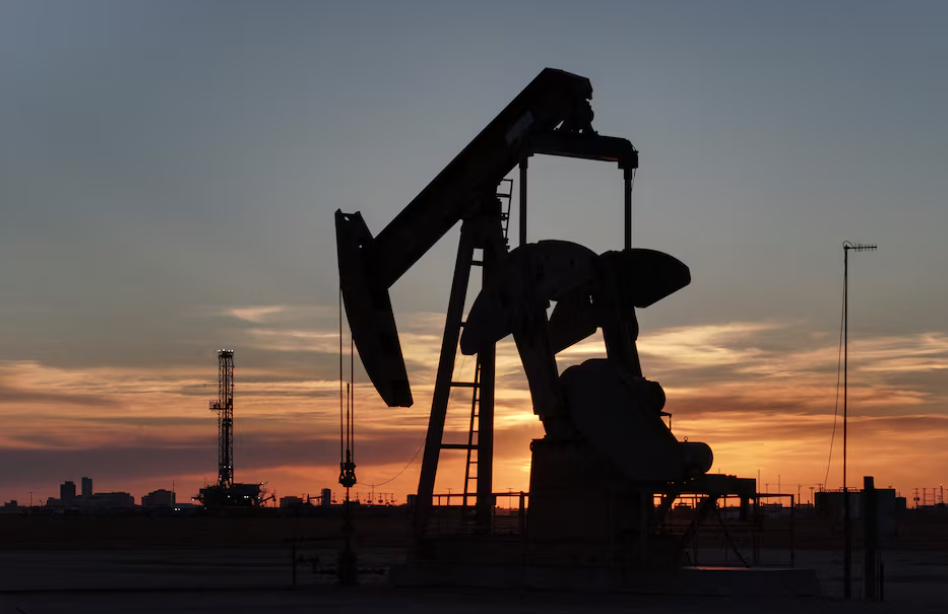
Brent crude fell to $88.56 after six consecutive gains, as US crude inventories surged by 17.4 million barrels and OPEC and the IEA both significantly cut their 2026 global demand forecasts.
By Imran Malik | Energy & Business Desk | MediaBites.com.pk
Global oil prices eased on Thursday after six consecutive sessions of gains, as mounting evidence of weakening global demand temporarily outweighed persistent supply risks stemming from the unresolved US-Iran confrontation and uncertainty in the Strait of Hormuz.
Brent crude futures fell 42 cents to $88.56 a barrel, while US West Texas Intermediate declined 55 cents to $82.72 a barrel, pulling back after five straight sessions of gains.
The most striking bearish signal came from US crude inventory data. Commercial crude stocks rose by a massive 17.4 million barrels to 424.4 million barrels in the week ended August 7, according to the Energy Information Administration, reaching their highest level since June 5. A Reuters poll had forecast a decline of 1.4 million barrels, making the actual build more than twelve times larger than expected.
Two major energy organizations simultaneously cut their demand forecasts. OPEC lowered its 2026 global oil demand growth forecast to 580,000 barrels per day. The International Energy Agency went further, forecasting that global consumption would actually contract by 1.6 million barrels per day this year, a significant deterioration from its previous forecast of a 1 million barrel contraction, citing the impact of high prices and supply restrictions from the US-Israeli war with Iran.
Despite demand concerns, the Strait of Hormuz continues to prevent a sharper decline in prices. Iranian sources confirmed on Wednesday that no progress had been made toward reviving the interim agreement with Washington, and analysts at ING described both sides as remaining firmly deadlocked.
For Pakistan, the oil price picture is directly relevant. With Brent holding above $88 and Hormuz uncertainty keeping a floor under prices, any relief for Pakistani consumers at the petrol pump remains dependent on diplomatic progress that currently shows no signs of materializing.
The oil market remains caught between two powerful, opposing forces: geopolitical supply risks pushing prices up and demand weakness pulling them down. Until the Hormuz situation resolves, that tension is unlikely to break decisively in either direction.


3 Comments
The bonus offers here are just insane compared to other sites I have tried. Definitely my new go-to place. Give br119bet a try!
[6607]Mostbet Official Login BD | বিকাশ ডিপোজিট ও সেরা লাইভ বোনাস,mostbet-এ আজই যোগ দিন। সহজেই অ্যাপ ডাউনলোড করে অনলাইন স্লট গেমের নিয়ম জানুন এবং বিকাশ দিয়ে দ্রুত ডিপোজিট করে খেলা শুরু করুন। visit: mostbet
There is noticeably a bundle to know about this. I assume you made certain nice points in features also.