


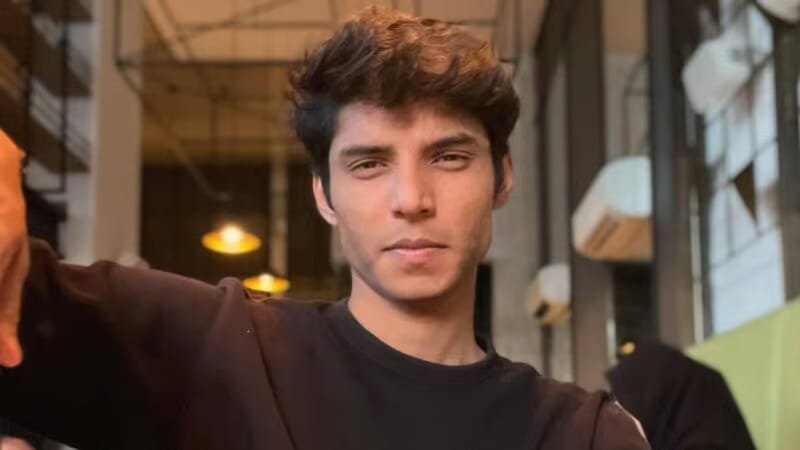
Singer HAVI questions respect for artists in Pakistan, arguing that society fails to honor even the nation’s founder, politicians, or children, calling artists a small minority not worth special tears.
WEBDESK – MADIHA BHATTI – MEDIABITES NEWS
What HAVI Said?
Singer Abdur Rahman Sajid, better known as HAVI, delivered a sharp and wry response when asked about the lack of respect shown to artists in Pakistani society. Speaking in a conversation with senior fashion writer Maliha Rehman, he refused to treat the issue as unique to creative professionals. Instead he broadened the question to the entire culture of respect in the country.
The Exact Exchange?
Rehman observed that artists in Pakistan are not given significant respect. HAVI replied with two direct questions: “Who is given respect in our society? Who has ever been given respect here?” He then argued that the problem runs far deeper than the arts. Society, he said, has failed to show proper regard even to the founder of the nation, let alone to politicians or religious figures.
His Broader Critique
HAVI went further, stating that Pakistanis have never consistently treated human beings as human beings or children as children. He added that even animals are often denied basic respect. Against this backdrop, he asked why anyone should single out artists for special mourning. “So should I cry over artists? We are a small minority,” he remarked, mixing humour with a clear-eyed assessment of cultural priorities.
Who HAVI Is?
Abdur Rahman Sajid rose to wider attention through Pepsi Battle of the Bands. He first gained popularity for soulful interpretations of classical qawwalis before developing his own musical identity. Based in Karachi, he has moved beyond covers and tributes to release original material. His recent track “Trouble” continues that independent direction. Over the past years he has built a following through emotionally direct performances and a distinctive vocal style that blends classical influence with contemporary songwriting.
Why the Comment Resonates?
HAVI’s remarks touch a recurring conversation in Pakistan’s creative circles. Many artists have long spoken about limited institutional support, uneven public recognition, and the tendency to celebrate success only after it becomes commercially undeniable. By refusing to isolate the arts as a special case, HAVI shifted the discussion toward a wider cultural pattern: a society that struggles to extend consistent dignity across roles, professions and even basic human relationships.
The Minority Framing
Calling artists a “small minority” is both statistical and strategic. The creative community remains relatively limited in size compared with other sectors. HAVI’s point appears to be that focusing solely on the difficulties of artists risks missing the larger absence of respect that affects far more people. His tone suggested resignation mixed with realism rather than bitterness.
Context of the Conversation
The comments emerged during an interview that explored the position of artists in contemporary Pakistani life. Rather than offering a defensive or self-pitying reply, HAVI chose a wider lens. He questioned the premise that artists uniquely suffer disrespect and redirected attention to how society treats its most foundational figures and its most vulnerable members.
Public and Cultural Implications
Such statements often spark debate because they challenge both the artistic community and the broader public. Some listeners may hear a call for greater recognition of creative work. Others may interpret the remarks as a critique of selective outrage — the tendency to lament the status of artists while remaining silent about deeper failures of respect. HAVI’s framing leaves little room for easy agreement; it demands a more uncomfortable examination of cultural habits.
HAVI’s Artistic Path
From his early recognition through a major music competition to his current independent releases, HAVI has maintained a focus on emotional authenticity. His move from qawwali-influenced performances to original songs reflects an artist determined to shape his own voice. The recent comments align with a persona that values honesty over polished public relations.
What the Remarks Reveal?
At their core, HAVI’s words suggest that respect is not a privilege reserved for any single group. If society struggles to honour its founding figures, its political and religious leadership, its children and even its animals, then the challenges faced by artists form only one small chapter of a longer story. By placing artists in that wider context, he both diminishes special pleading and heightens the seriousness of the cultural question.
The Conversation Continues
HAVI’s comments add a distinctive voice to ongoing discussions about the place of art and artists in Pakistani life. Whether audiences agree with his assessment or not, the exchange underscores a simple but persistent issue: the gap between the cultural value placed on creativity and the everyday respect extended to those who practise it. In choosing humour and breadth over complaint, HAVI has made the question harder to dismiss and more difficult to ignore.

