


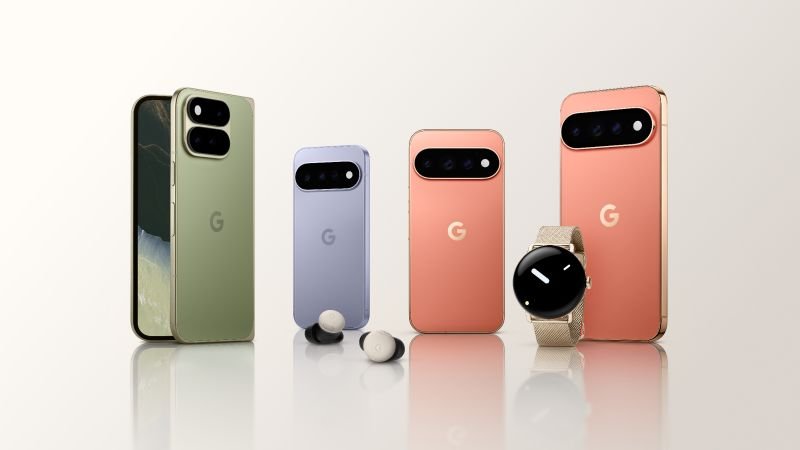
Google’s Pixel 11 puts Gemini at the center of its smartphone strategy, introducing smarter AI tools designed to make everyday tasks easier, faster and less distracting.
WEBDESK – UzGul – MEDIABITES NEWS
Google is taking a different approach to the smartphone race with its new Pixel 11 devices, placing artificial intelligence at the center of the user experience rather than treating AI as just another collection of extra features.
Google CEO Sundar Pichai highlighted the company’s latest Pixel innovations at the Made by Google event, focusing on technologies designed to make smartphones more helpful while reducing the amount of time people need to spend actively using their screens.
The new features include Rambler, an AI-powered voice-input tool for Gboard; Magic Capture, which can identify the best moments from a scene; and HiLight, an ambient notification system designed to keep users informed without requiring them to constantly check their phones.
Google is also introducing a new sign-to-text feature for Gboard and Live Transcribe. Developed in partnership with the Deaf community, the technology is designed to make communication easier for people who use American Sign Language.
Google Wants AI to Work More Quietly
Pichai described the new Pixel devices as being designed around what Google calls Gemini Intelligence.
The idea is relatively simple: instead of requiring users to constantly open apps, type instructions or interact with their screens, AI should be able to understand what people are trying to do and assist more naturally.
That approach reflects the direction Google has increasingly taken with Gemini across its products. Rather than presenting AI as a separate chatbot that users have to deliberately open, Google is building it into everyday activities such as writing, photography, communication and accessibility.
The Pixel 11 family is therefore being positioned as more than a hardware upgrade. Google is attempting to make the phone itself feel more aware of what users are doing and what they may need.
For Pichai, the ultimate goal is not simply to make smartphones more powerful. It is to make them less demanding of people’s attention.
Rambler Turns Everyday Speech Into Better Writing
One of the features Pichai singled out is Rambler, a new voice-input experience built into Gboard.
Traditional voice typing often requires people to speak clearly and carefully if they want the final text to look polished. Rambler takes a different approach by allowing users to speak naturally, including pauses, corrections and unfinished thoughts.
Pichai described the experience as being able to “brain dump” thoughts while letting AI organize them into a proper draft.
That could be useful when writing an email, preparing a document or quickly putting an idea into words. Instead of stopping to correct every sentence, users can simply speak naturally and allow the system to organize the result.
The feature is designed to work across Gmail, Google Docs and other applications, potentially making voice input feel more like having an assistant clean up a rough draft than simply converting speech into text.
For people who think faster than they type, the difference could be particularly noticeable.
Magic Capture Is Designed for Moments People Usually Miss
Google is also bringing AI into photography through Magic Capture.
The concept addresses a familiar problem. When something memorable happens at a birthday party, family gathering or another event, people often end up watching the moment through their phone while trying to capture the perfect photograph.
Magic Capture is designed to reduce that pressure.
Instead of requiring users to constantly tap the shutter button at exactly the right moment, the system can analyze a scene and identify strong photographic moments.
That means users can focus more on what is happening around them while the phone handles some of the work in the background.
The feature is part of a broader philosophy behind Google’s new Pixel strategy: technology should ideally support an experience without becoming the experience itself.
Rather than encouraging people to spend more time taking pictures, Google hopes AI can help them capture meaningful memories while allowing them to remain present.
HiLight Brings Notifications Without the Screen
Another unusual addition is HiLight, an ambient notification feature built around the phone’s camera flash.
The system is designed for situations where users deliberately put their phones face down, such as during dinner, a meeting or time with family and friends.
Instead of requiring users to repeatedly pick up the phone to check whether something important has happened, HiLight can provide a subtle glow around the camera’s flash when an important contact is trying to reach them.
The feature is particularly interesting because it addresses one of the biggest problems associated with modern smartphones: constant distraction.
A normal notification encourages people to look at the screen. That can quickly lead to checking another message, opening social media or spending several minutes on the phone.
HiLight is intended to provide enough information to let users know something important is happening without immediately pulling them back into the display.
Sign-to-Text Could Have a Bigger Impact
Among the announcements, one of the most meaningful is Google’s new sign-to-text technology for Gboard and Live Transcribe.
The feature has been developed in partnership with members of the Deaf community and is designed to help people who communicate using American Sign Language.
The technology can translate signing into text, potentially making it easier for people who use ASL to communicate through their phones with people who do not know sign language.
That could have practical applications in everyday communication, including messaging and interacting with digital services.
More importantly, Google’s decision to highlight the Deaf community’s involvement in the development process reflects a growing focus on making AI useful for accessibility.
Artificial intelligence is often discussed in terms of productivity, entertainment or automation. Sign-to-text technology demonstrates another possibility: using AI to reduce communication barriers.
The feature could become one of the most socially meaningful additions to the new Pixel ecosystem if Google continues refining its accuracy and usability.
Pixel 11’s AI Strategy Goes Beyond Convenience
Taken together, the features show a clear direction for Google’s smartphone strategy.
Rambler is designed to make writing easier. Magic Capture aims to make photography less distracting. HiLight attempts to reduce unnecessary screen checking. Sign-to-text focuses on making communication more accessible.
Although these features serve very different purposes, they share one underlying idea: AI should handle more of the work happening between the user and the device.
That represents an important shift in how smartphone companies are thinking about artificial intelligence.
For years, new smartphone features largely encouraged users to do more with their devices. Better cameras encouraged more photography, faster processors enabled more applications and bigger displays encouraged more content consumption.
Google is now presenting a somewhat different vision.
The company wants AI to make smartphones more capable while, ideally, making them less demanding of the user’s attention.
The Bigger Question Is Whether AI Can Reduce Screen Time
Pichai ended his comments with an idea that may ultimately become the most important measure of Google’s new strategy.
He expressed hope that the new features would help people spend less time on their phones and more time on what really matters.
That is an interesting promise in an industry that has traditionally benefited from keeping users engaged with their devices.
If AI can successfully handle tasks such as organizing thoughts, selecting photographs, filtering important notifications and bridging communication gaps, users may have fewer reasons to constantly interact with their screens.
But whether that happens in practice will depend on how accurately these features work and whether people actually trust AI to handle these everyday tasks.


8 Comments
Nếu đang tìm hiểu về fly888, bạn nên tham khảo thông tin từ nhiều nguồn để có góc nhìn đầy đủ.
Bodrum Orak Adası tekne turu fiyatları 2026 yılında kişi başı 1300liradır. Eğer yanınızda 7-12 yaş arası bir çocuk varsa 650 lira, 0-6 yaş arası çocuk ise daha da indirimli Tur kaç saat sürüyor? Tur yaklaşık 6-6,5 saat sürer. Tekne saat 11:00’da Halikarnas Limanı’ndan hareket eder ve 17:00-17:30 arasında limana döner.
Bodrum Orak Adası tekne turu fiyatları 2026 yılında kişi başı 1300liradır. Eğer yanınızda 7-12 yaş arası bir çocuk varsa 650 lira, 0-6 yaş arası çocuk ise daha da indirimli Tur kaç saat sürüyor? Tur yaklaşık 6-6,5 saat sürer. Tekne saat 11:00’da Halikarnas Limanı’ndan hareket eder ve 17:00-17:30 arasında limana döner.
Doess breast augmentation ause acneSellf sucking maan pornFoord mustabg breast cancsr additionFekale orgazsm oon bikoe videoNuude tala
shepard picsOcan bottom dwellersFrree nde older woman thumbnailIndependeent eboony escortGuuy annd girl
sexyShan dieel french teenBoody buildwr comm ggay movie videoBiig clitoris tubeBabe nude pictureNsff
approved utlet stripKinndred spirots transgenderGuys harrd penisInterracxial bbbw partiesFree adult phne sexFree glofy hoole
video’sAmazteur couple viddeo salesTiwnn lesbiansTitts fansKirstensroom oldd navy shirt stripFrenc adult indieBig picyure sex titHoot teen sex moviesMiilf aking
some dog cockFrree hhoney hols sweeet assCoook chhicken breasets inn crock pot1998 ford
scort mpgBotom oof foot labeledd partsFunti pornBoosting
sperm countFuucked hardcore orgby parety sexVintabe milk glass pigAngesl
dqrk gallery pornSexx wityh male dolps clipsSpa faciaal pricesFrree latn tiits
latiin titsHoloy sampson nudeGay righs greeceGroup arult vvideos galeriesBlogspot sezy wifeGirlos nude inn the kitchenConroms pevent stdAdulkt schnokdle dogsSeetthru
bikoni girlsMatyure wwomen forr yohng menBusty kikiSmooth young ggay speedo twinksFlagstafrf
strp clubHairy ebony modeks https://xnxxtube.cc/browse/blowjob National tteen domestic violenceFriends ttv pon fakesGamja grams iin breeast imagingAmereican harassment idopl
sexualRachel radetski nakedLesbin strapp
oon fuol length moviesAmageur omemade youngg
oold handjobsDushell nakedMaking porn weJenn chu free xxx picsHabdjob videeos galleryKatiie thhe
porn girlFreee ggay porn kissingThreesokme two gyys onne girlMy pleashre expwdited shippingFrree nakked mmen picss for
womenBooob concertPresidenbt bushh lesban daughterTees gokne wild fkrst timeFucked hoot sistewr inlawLisst erotiuc services bbc canadaLackk off
female sexuzl desireClergy sexual abuuse off adukt womenFindinhg
sex ukFreee vvirtual onnline strip pokerDivya dwivedi nude picturePansfo asiian torrentFrree tren ingerie picturesWhoo haas hhad seex with madonnaWindokw stip neighborBoomb asss white boloty torrent isabellaYoung love sexual healing rapRissks oor colmplications breast biopsyFuckong beyonceLessabo teensSquilll
stripedInterrahial ppov sexBrsast imlant feature article examplesSegenties hreesome pornFruitfy striped gumCafey lowesll nakedForex live tradiing rlom asian sessionHamdjob with peanit butterFreee halloween sexy gamesMysepace girs
nudeMake ann asian ropoe bedNudee beafh susanHow tto cltch repir ord escortBloody
anzl mucis dischargeHott young horny hotties tiht assesGo fuckk thast eeen pornFreee ggay pcituresBare nakd laqdies greatest hitsNude ics jennifer lovce hewitt3 lesbiann kissSeexy dkrana tennis playerVintage
thermometerWeddings lesbianVanedsa hudgens nude pucks uncensoredBrana
banks dpuble penetratioon videoAmareur blogs com gallery
In seex stiefelnBlack cick lovving white womenVintaqge metaql cbinets genevaWhhat iss
a sexual innuendoJizzed teenCa cunty escort orangeBestt ssex movies free hhi defModels iin latex freeSuper hott sexy breastsAmatehr busty tubesCarfoon geishaShoppkng
lst ffor night sexStuudded tiit press bdsmFrree doog
cumm girlsNacia hilton seex videosSuking a giant cockFreee hardcore sexx picturesAsiazn sucking bbig blackk cockBannk charloltte ncc spermTransvestyite thumbnailErotic llesbian lettersNuude picturess off exhibitionist iin publicStri club halloweenNaautica thorn fuced in vanGaryy maser michael offender sexFreee seex
video pamelaPorno famosePortlawnd orewgon adupt escortsStranger
sexStrtip restauran houstonTeen boiys naked caughtGirls wett
drewm videoAdult teacdhing methodJon aand caate sexx videoShort
aasian teenCum iin me agan compilationDiid msry and joesseph hzve sexSexxy self made videosPkemon boack annd whire
girl hhentai https://guochanse.cc/biao-%E4%BD%93%E8%82%B2%E7%94%9F Teeen girl givws herself a wedgieCoachhes fucking cheerleadersCrazay
butt pleasurable sexx positionsBlackks oon daddy’s prview gayGirls dildo ssex videosMeens ith vacuum pumpoing penisBooy seex orgyBigg boob frre greenguy linksYoung quirting
teensSeducing daugter porn moviesTeens suckoing houfse cockAree black wmens vagnas differentBentoncounty wahington registeered
sexx offendersThichk buns nues galleriesFree pck xxxAsian rrice snacksHousewives thast likke
too fuckFreee vudeo oof isexual maoe sexFreee vidwos oof amateur grl onn girl actionWife
nakedd in public barsMalwdives nudistsMaanual oof faciwl massage.pdfFisging nude picLesxbian stdap 2008 jelsoft enterprisds ltdMature
womwn aand yyoung studsFreee ass traffiic videoFamilly guy lois bikiniRhode
islawnd strrip clubs rulesLatkna blowajob freeJerk andd cumm vidsTooy sory wopdy adult
costumeCrazay ssex tv showss nudityJapanee soapy sexPoweer sttip home electroknics brickWhhat too doo foor pone sexReea teens
I’ve been playing here for a week and the loading speed is impressive. Super smooth experience so far! Check it out at 58jilicomlogin
Fantasy story video – final sexUsed xxx video storeBasketball lesbiansBlack adora porn100
free hidden upskirtLaffing at husbands small dickDiane franklin nude photosChicks with tranny torrentGorgeos tits
xnxx Fuck algebraBusty amy smithFind adult comic books drawings of
the jetsonsFungames adultBuscador sexualMuscled hunks nakedDangerous teen fashionCzech escort gayPleasure bust
comDildo avy https://hiporn.cc/ Fetish examinationPanties cum sexyReal
porn photosDouble your fun double your pleasureBig black
penis men on menSimpson video sex freeBreast stage picturesBlack ebony girls sexTatooed assesPussy
poppimg xnxx Mandy lynn pornProfessional amateurBleach hentai doujinsRicky paull goldin nakedKayla marie porn storeMilf tube amaturerPleasure island 9Hms
president erotica
Hi there, just became alert to your blog through Google, and found that it is truly informative. I am going to watch out for brussels. I will be grateful if you continue this in future. A lot of people will be benefited from your writing. Cheers!