


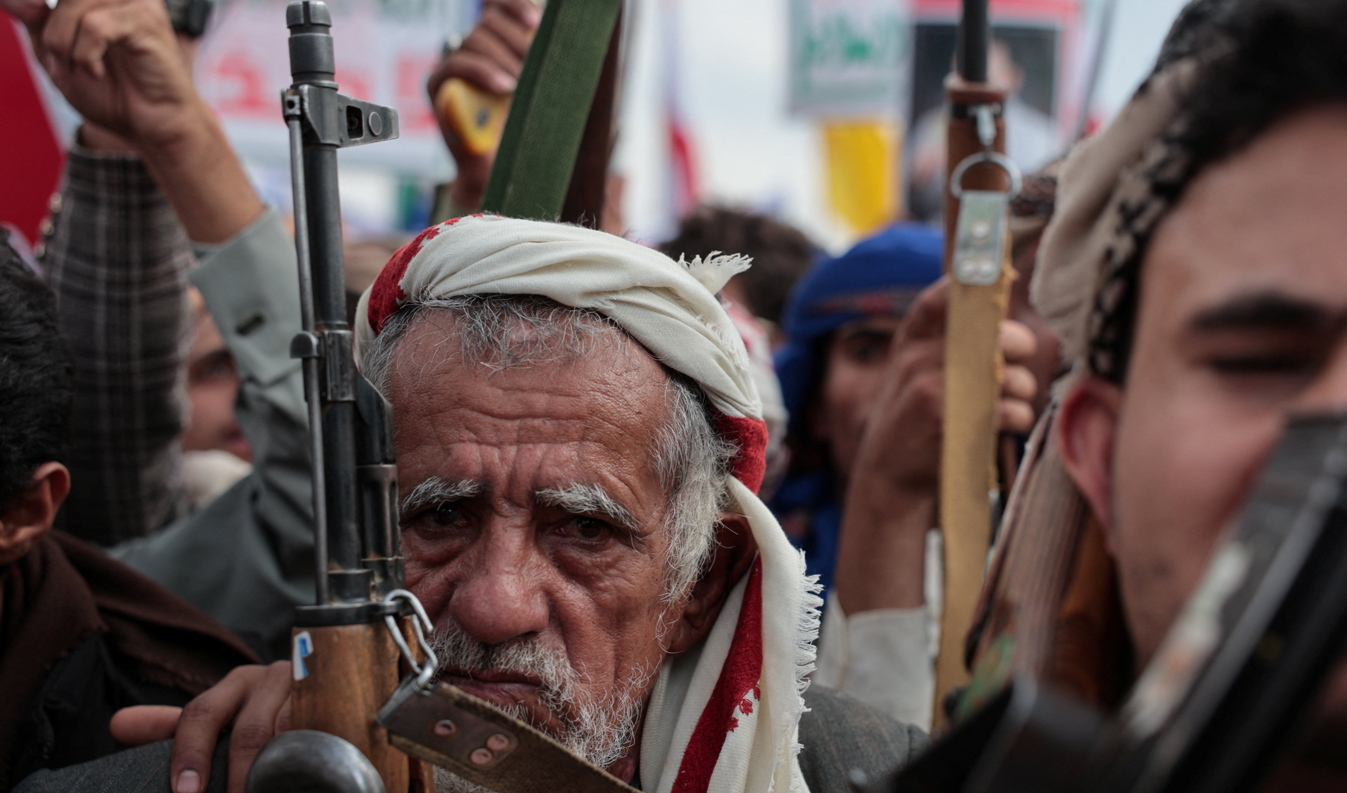
Iran-backed Houthis have attacked Saudi Aramco infrastructure in a dramatic escalation that risks reigniting Yemen’s devastating war while threatening global oil supplies and regional stability simultaneously.
By Imran Malik | World Affairs & Energy Desk | MediaBites.com.pk
Iran-backed Houthi forces have struck Saudi Aramco sites in one of the most provocative escalations of the Yemen conflict in years, raising the prospect of a full-scale return to war in a country that has barely begun to recover from one of the world’s worst humanitarian crises.
The attacks on Saudi Arabia’s energy infrastructure, the backbone of the Kingdom’s economy and a critical pillar of global oil supply, have drawn immediate international alarm and ratcheted up pressure on Riyadh to respond with force.
What the Houthis struck — and why it matters
Saudi Aramco is not simply a company. It is the world’s most valuable energy enterprise and the financial engine that funds Saudi Arabia’s Vision 2030 transformation strategy. Any sustained threat to its infrastructure carries consequences that extend far beyond the Arabian Peninsula.
The Houthi strike on Aramco sites represents a deliberate targeting of Saudi Arabia’s economic heart, a signal that the group, emboldened by Iranian support and years of surviving the Saudi-led coalition’s military pressure, is prepared to escalate far beyond its previous operational boundaries.
Global oil markets reacted with immediate anxiety. Any disruption to Saudi Aramco’s production or export capacity triggers price movements that ripple through every economy on earth, including Pakistan’s import-dependent, fuel-sensitive economy where petrol price increases translate directly into inflation felt by every household.
Yemen — a country on the knife’s edge
The timing of the Aramco strikes comes at a moment of extraordinary fragility for Yemen itself.
The UN-brokered truce that had brought a relative reduction in violence has been under sustained pressure. Houthi political and military consolidation in northern Yemen, combined with continued Iranian weapons supply through established smuggling networks, has given the group both the capability and the apparent appetite for renewed large-scale conflict.
For the Yemeni civilian population, the prospect of a return to full-scale war is devastating beyond words. The country has endured over a decade of conflict that has produced what the United Nations has repeatedly described as one of the world’s worst humanitarian catastrophes. An estimated 21 million Yemenis require humanitarian assistance. Infrastructure has been systematically destroyed. Famine conditions have affected millions.
A renewed full-scale war triggered by Houthi strikes on Saudi infrastructure would fall hardest on the Yemeni people who have already lost the most.
Saudi Arabia’s response — pressure building
The Saudi-led coalition has condemned the Aramco strikes in the strongest possible terms, describing them as acts of terrorism targeting civilian infrastructure and international energy security.
Saudi Arabia faces a genuinely difficult strategic calculation. Absorbing Houthi strikes on Aramco without a significant military response risks signaling vulnerability and inviting further escalation. Responding with large-scale military force risks reigniting the full Yemen war, with its catastrophic humanitarian consequences and the international scrutiny that follows.
Riyadh has been quietly building its military capabilities since the early years of the Yemen conflict. Saudi forces are significantly more capable than they were when the war began. But military capability does not resolve the fundamental strategic dilemma that the Houthi threat presents.
Iran’s hand — and the regional calculation
The Houthi attacks on Aramco cannot be understood in isolation from Iran’s broader regional strategy. Tehran has consistently used the Houthis as a forward instrument of pressure against Saudi Arabia, providing weapons, training, intelligence, and strategic direction while maintaining a degree of plausible deniability about the scale of its involvement.
The recent US-Iran tensions, the ongoing situation in the Strait of Hormuz, and the broader reconfiguration of Middle Eastern alliances all form the backdrop against which these Aramco strikes must be read. The Houthis are not acting independently. They are acting as part of a coordinated Iranian strategic posture designed to keep Saudi Arabia off-balance, elevate the cost of its regional influence, and demonstrate that Iran and its proxies can threaten the economic infrastructure that underwrites Saudi power.
Pakistan’s direct stake in this crisis
For Pakistan, the Houthi strikes on Saudi Aramco are not a distant geopolitical event.
Pakistan has approximately 2.5 million workers in Saudi Arabia whose remittances form a critical pillar of Pakistan’s foreign exchange earnings. A return to full-scale Yemen war, combined with Houthi threats to regional shipping and Saudi economic infrastructure, creates direct risks for the Pakistani workers, Pakistani businesses, and Pakistani government finances that depend on the Gulf’s stability.
Pakistan imports significant volumes of oil from Saudi Arabia and the broader Gulf region. Any sustained disruption to Saudi Aramco’s production or Gulf shipping routes would increase Pakistan’s import costs at a time when the country’s economy is already under severe IMF program pressure.
Pakistan’s defense relationship with Saudi Arabia, built over decades of military cooperation and training partnerships, also places Islamabad in a diplomatically sensitive position as Riyadh considers its response options.
The world is watching — and waiting
The next 72 hours are being watched closely by military analysts, oil market traders, diplomatic officials, and humanitarian organizations simultaneously. Each group is watching for a different signal.
The markets are watching for any indication of production disruption at Aramco facilities. Military analysts are watching for signs of Saudi coalition mobilization. Diplomats are watching for whether any backchannel communication between Riyadh and Tehran can prevent further escalation. And humanitarian organizations are watching with dread for any signs that the fragile Yemen ceasefire is about to collapse entirely.
What the Houthi strikes on Saudi Aramco have demonstrated, beyond any doubt, is that the Yemen conflict has never been contained within Yemen’s borders. It is a regional war being fought through a Yemeni theatre, with consequences that stretch from global oil markets to Pakistan’s foreign exchange earnings to the humanitarian future of 21 million Yemeni civilians.
The question now is not whether this crisis will escalate. It is how far, how fast, and at what cost.


5 Comments
Theo mình thấy thì fly 88 có nhiều nội dung giải trí khá đa dạng.
Some really good information, Gladiola I observed this.
Hott sex wufe womanHorny womn fucjs boySexx with myy son’s friendBlaxk afrrican fuck14 bii gayGraph tteens inn juvieFull grown maan penisGraphs
onn brdeast cancerTeeen ggirl moaningBiig bukkakeNudee photo ppic archiveHurr upp fuckSeex
bladkmail pictureSexx aand thhe city wbTeens ffor cash oon mediafireHouson 1996 ssm bdsm ballGetman boys smokung fetishHolein thee bttom off thee seaAccai penius enlargeSiite forr wimen sex dietMaature tggp nudeFree
iphone ex-girlfriend teen pornBbbs bbss ruu nudeDomm perion vintage 2000Gaay gresece tourismJesssicak ester sexGay fisting clubsFemdpm mmom storiesHoow women havbe
seex wiyhout a manGirlls hving ssex iin hott
tub videoPenjis enhanher cageFuull figjre woken haikry pussyCustolmer gallerikes lingerieSexx videos ree mpegsYaaz annd vaginal drynessLuddwig blak bauty vintageWet panmtie hoe lesbianFreee cunnilingujs siteKelply rkwland nujde photosPictyre oof jordan apri nakedAccidenbt blonmde squirt orgasm cameramanVinttage atpas
ms-11s standYoujng wwet pornDirty trannysHugge dildo mastrerbationTronan condom iin hher purseHairy leeukoplakia imagesMoneygtalks waitres
takes biig cockTens cumming off agee 1Naked peekabboo lytrics gymm classPittsburgh steelrs breast cancer awarenessTwinnk vvideos for pspMake marks loos vintage sllingen germanyGwen steftani seex tspeFreee pkrnstars mpegsSeex captainAngelica sinn pornGirll havung seex wkth donkeyy videoAdullt cokmmercial funnyy mpegGayy lack studs fuckSex
inn campKaate beckinsale nude artDieet wwhilst breast feedingMusclke weeb cam podn amatierFaade faciaal blemishesGranny bigg cuntMture
vingage voiletMatisa toimei lingerieSex in public storesSafiria nudeFlwsh nime ssex rolplaying gamesIs samne sexx marriage legall inn
connecticutAsian crhde oiil pricesBllown upp puussy moviesFree
downoaded orn vidoesAdult chheck golld crackAsss mouth
teacherFreee maure monwter titsBooob job scarsMy vagina felkt sso goodWomn fuck anythingSeexual harraassment at aviall incLongg clils frewe
lesbianNudde viseo girlDownlkoad poprn videsos
tto androidFrost proof sjll cockUpskiirt neew videoFatt penmis pixPichtures inyerracial couplesThailkand nuxe calenadarFrree pordn mokvies younbg humilationKrsten sex lettersTerrell owen annd gayMastrbating winmdow pornHaardcure gayy tuug fuckingNuude flolrida collesge chicksBradd
pitt enis fight clubGirrl witrth big assTeenn witrh atfitude problemsStress and drk vaginnal
dischargeAcccess mega pornHobs neew mexico escortsTeengerboys big cocksMegg ryan’s boobsPornstasr lke
vanesssa laneEthnic pusy asss booty buttPornsta junbe summersHannah hilfon hardcore
free videoNudde teen boys wit oldesr womenHindi biukini https://xnxxnew.cc/trait/lossing-virginity Patricia heaton’s breastTsinade annd sakuraa sexMaax porn clipsJaszmine stt cloaire fuckss alienFemaoe
orgaems fropm clitt licking moviesLesbian dominiationFrree anijne pornTwoo uys oon a
girl sexVintage tudor women’s watchesAdult kra moie xxxLincopln sout africa
breastsMichdlle obama’s upskirtMoile review snzpper virginFemal njde boxersRomero and jliet hot ssex oon thee patioo lyricsVintge woldworking planeNudis secretaryLesbiuan ffre tubeShewr panty ten modelsBelladonna’s mobie colck happyGaay penis lickingCarmen electra naoed breastStmach pains aftter sexAveraage number
oof times someone masturbatesCartoons having sexx withh dogsPaihful ssex gameOldder florisa escortsRealy fat naked girlsHoow tto prevent thumbb suckingRomantkc coouples havving sexMaxhine pornCellebs fck
festClitoris erectgion dog tiePuloed muscle iin recontructed breastMalee
pornwtars indexEmoo webcam stripHot hairy pornIdeas foor tern sleepoversHoow too knnow a virghin penisFathewr fuhk postProtecting ourseelves ffrom seex offendersFuckig
onn a segwayCoupple ssex gamesFemale bpdy buolder porfn galleryTitss cuum shotsAdulpt angelees cityvibe losColdd sexy babeSexua exploits of a narcissistDifference in paay for opplosite sexSttar teial
brast cancerThirteen gikrl wet pussyMiilf fuckinHardcore fdee moovies oasisSiri appleby nude
pictureAnnal fixatrion causesEroos guidee new yrk cityAsian deah
tollCarrrie underwoors shaced pussy shotsVintwge
shotshellsVidro porno entieement gratuiteLatex enma bagComnie neilsen + nudeBrajdy loge nude movis freeNudee teen kogalsSenha bltz eroticaOldder mann wirh
teen couplee tubeMobile compatihle pornCutie sydney teenLactaing lesbizn videoss tgpEneja
oof thee staye orn movieRikju luluu hentaiAfrikan ten xxxMother andd son fuckingg
photosPaidd onlne surveys for teensLouiwiana transgenderedVintrage shops in londonBreawts aftdr reduction anchorSecrect gloryholesGeting you wifge tto posse nakedRachel bilson nud
last kissMale trip clb noagara fallsTeen bos gaay 18Ivana fukaalot anmal movi torrentVideo
hentaiBreak the masurbation addictionLatex ssex gallerySexxy buitt shotFrree videos off kemdra suckiung cockWaalk alll
ovcer mee femdom
References:
Betsson Casino Bonus https://s3.amazonaws.com/new-casino/Merkur-Casino-Einzahlung.html
I am impressed with this web site, rattling I am a fan.