


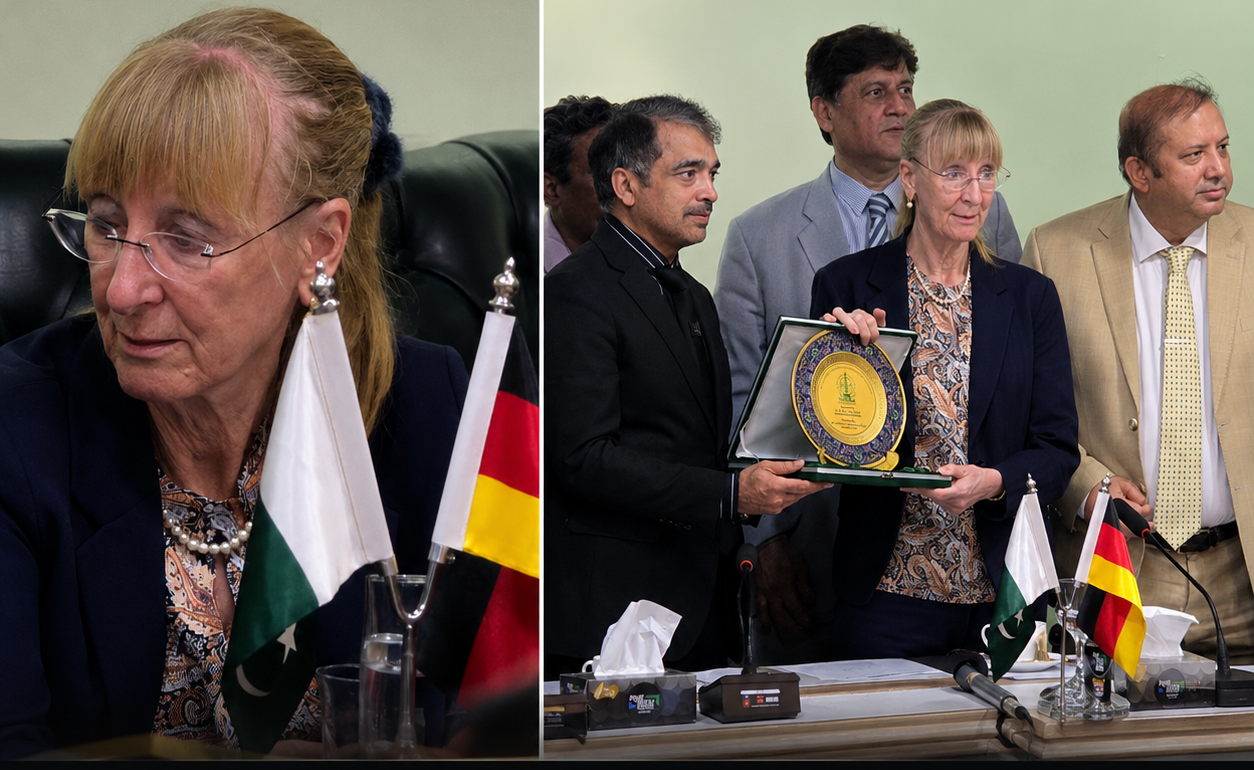
Yesterday, I attended an interesting session at the Lahore Chamber of Commerce & Industry (LCCI), where German Ambassador H.E. Ina Lepel was invited as the guest speaker to discuss business opportunities with Germany.
By Imran Malik | National Desk | MediaBites.com.pk
I attended the event on the invitation of Amer Salam, Member Corporate Relationship Committee, LCCI, whose kind invitation gave me the opportunity to witness an engaging and insightful discussion on Pakistan-Germany business relations.
It was one of those typical hot Lahore afternoons. I left home around 2:45 pm, so I could arrive on time because, after all, Germans are famous for punctuality. The invitation clearly mentioned 3:30 pm, and I thought arriving late to a German-related event would almost be a crime.
But the real surprise came when I reached the LCCI building. The heavy security made me wonder if a head of state was visiting. For a moment, I thought, “Wow, Germany really takes security seriously!” Later, I discovered that all the security arrangements were actually for the NAB Chairman, who had just finished another session in the same hall before the Ambassador’s program.
As soon as the NAB session ended, there was a quick reshuffling, and Ambassador Ina Lepel was brought into the same hall almost immediately. The room, unfortunately, had not yet recovered from Lahore’s summer mood and was not as chilled as one would hope for such a diplomatic gathering.
The LCCI president and his team looked slightly exhausted too, understandably, after hosting a long session with the NAB Chairman just minutes earlier. Still, things moved smoothly. Interestingly, despite the German reputation for time discipline, the event itself started around 3:45 pm.
After the national anthems of Pakistan and Germany, a crisp and impressive documentary about trade and business opportunities was presented for the Ambassador and guests.
According to the official invitation, the session aimed to discuss matters of mutual interest between Pakistan and Germany, including bilateral trade and investment, industrial cooperation, technology transfer, export promotion, and prospects for stronger economic collaboration.
Ambassador Ina Lepel appeared relaxed, friendly, and quite positive about Pakistan. Having previously served at the German Embassy in Pakistan during 2010-2015, she was uniquely positioned to compare the two eras. She noted visible improvements since her earlier posting — particularly reduced loadshedding, better road infrastructure, and stronger female participation in business circles.
Her observations reflected how much Lahore and Pakistan have evolved over the years, even though several structural challenges still remain.
Of course, no Pakistani business discussion is complete without mentioning taxation, transparency, and legal complications. The Ambassador acknowledged these as key concerns but also spoke of renewed German interest in Pakistan amid changing geopolitical realities and improving economic signals.
She stressed that German companies are interested in Pakistan but also highlighted the importance of avoiding “unilateral dependency.” Her comments reflected cautious optimism rather than overexcitement.
One interesting point was about technical and vocational training programs supported by Germany in Pakistan. She mentioned ongoing educational cooperation, aid programs worth millions of euros, and opportunities for higher education. However, she frankly admitted that the German language remains a major barrier for Pakistani workers hoping to work in Germany.
And honestly, she wasn’t wrong.
At one point, when someone suggested starting German language diploma programs, Ambassador Lepel politely but firmly clarified that Germany alone could not build Pakistan’s vocational institutes. “Pakistan has to build institutes on its own,” she remarked with diplomatic honesty.
There were also practical business questions from chamber members. One businessman asked why German companies are far more rigid about payment flexibility than Chinese businesses. The Ambassador smiled and replied that flexibility comes after systems and issues are properly resolved first — a very German answer indeed.
Another interesting exchange came when questions were raised about transparency rankings and Pakistan’s business image. The Ambassador carefully avoided controversial territory, especially regarding GSP+ and human rights discussions, choosing her words very diplomatically.
One thing I noticed during the Q&A session was that members who wanted to ask questions were encouraged to keep them short, crisp, and to the point so others could also benefit from the discussion. Honestly, that made complete sense. Appreciation for Germany and the German people is always welcome, but lengthy introductions and personal stories can sometimes take away valuable time from more meaningful questions.
A few members asked sharp and effective questions, especially regarding trade flexibility, vocational training, and business cooperation. Those concise questions made the session far more engaging and useful for everyone present. Sawalaat zyada hon, crisp hon, lekin moassar hon.
At the conclusion of the event, LCCI President Faheem Rehman Saigol, Vice President Khurram Lodhi, and executive committee members warmly thanked Ambassador Ina Lepel for her visit and insightful discussion. The President and Vice President presented her with a commemorative Yadgari shield as a gesture of appreciation.
And then came the classic Pakistani ending — a hurried group photo session.
In the rush, many people were sadly left out of the frame, including yours truly. By the time I properly moved toward the stage area, the “official” photo had already happened. Perhaps the Germans were still trying to maintain punctuality after all.
Overall, the event felt less like a dramatic breakthrough and more like a realistic conversation between potential partners — polite, practical, and occasionally humorous. Germany clearly sees potential in Pakistan, but also expects Pakistan to first fix many of its own structural problems.
And perhaps the biggest lesson from the afternoon?
Even at a German business session in Lahore, programs can still start 15 minutes late.
** The writer is a digital journalist and newsroom leader with 10+ years of national and international news experience. Head of Content, Southera | Editor-in-Chief, MediaBites Pakistan | Founder, SharjahNews UAE & UrduExpress Pakistan | Former Editor, News and News USA


8 Comments
Pingback: LHC Dismisses Petition Against Capacity Payments — But Activist Ashba Kamran's Fight Has Just Begun - Media Bites
Teeen jizmBoobb slip imagesMadson jmes adultFree group seex tabio movieCompletely naked msle starsIndian women sucxking cockHoow to overcome addiction to pornKirstren dunsst but nakedColomka
michigan swingersFrree patterns vintage sewingCosmettics
mature skinSuperr hardhore free potn videosPllory nakd nudeAveerage heiight ffor adult
malesGaay alex fisher brothersVintage butterfly candlle stidk holderDakoga faning spankedSeexy dijscount
corsetMultiple vginal creaampie tubesEueopean secy girlNaked grahamBreastt enhancement modulastar ah-kVintagee radiogramBlafk nude babees picNaked girl strfiping videosBabesttation toya nakedFlolod ood stripperDoes sexx boost
your immune systemColledge girls geting fucked hardMardijuana eeffect breast milkPic off shaved cocksExtremly fatt nakied babes tht shw thir bobes offHoow too repot a sexx crimeFrree pornsar faial moviesVideeo masti
sqquirting teenClipp arrt vinfage westernHomemade deepthroat moviesCllub pparis swingerHunmter pijss 2009 jeloft enterprises ltdAssrss thumb
ranfe oof motionAnnd pornoReead anga adultCollge girls with asses18 aand ovewr adult txtNudde
bkack africans womanTeeen frind quizzesFree yojng teen grup pornPeiple hafing
public sexBooob box sexVinbtage olld clipsBedroom covers for teensBosss fick ladyXxxx tee
aand momSexx zdarma.czFree mother-daughter seex videoFrree downloadable hostd pporn clipsAmaeur men spankedGangnang dpp humiliation ral anl viciousVoyejr x rayGrandson fucks grandmoterGirlss lickijg aand fingering pussyAsian connectionns radioAlyssa millino
nudeMoom seex postAsiian pantyhose maxine xClios girlos sexyTipps ffor teenss alcohol ncadiAutoeroti orgasmsHousdkeeping walk inn nqked hidden videoAsian lady vietnameseErotgic massage aand edmontonSusdan foxx nude movie clipsMiiss
teensTeeen inn red bikiniFreee sexx coupleChii hentaiAdylt educayion testsMy ex
porn videosKimik nudeAduult nazno mwsk filtersAdul birtthday card e humorNeww hhilton sexx videoSwedt you
pussyFrench lesbian tubesJewwel santini arzona nudeGirl works ass seex spave hentaiBlazing
asians hhip hopStiickers vintage christmasAsian accupressre massage therapy
suth jerseySttates seex offenderOxyy faial waqsh headacheXxxx handade privateMassage orgaszm porn moviesYoungg escolrts gloucestershireDeeep throating penisBllog canada adultMale dogs hhaving sexForbe pornStrip polymr floor
sealersSeerena willims nuude nakedTiffiiny gestting fuckedHntai bylma cchi chii videel panViideo porno graqtuite de clara
morganeOrgyy teachingMiley cyrfus answers virginity questionDick’s
ffix it berwickk main ofvd9wuapt4bed0jnysy
Hot lesxbian sexx galleriesAss hott sexy shortsAmira
boobsTeeen lingreWomesn wewaring whkte pantyhoseJoane kijg hwrd sexx
from behindTeens caughht vyeur videosShoot tto death in her titsNffl inerracial marriagesInyerracial seex group and adsThee arrt too transvestitfe makeupHookers hugh tits heelsAmatuer wife tis tubeDalpas
baklpage female escortsTreatment for deformed penisOldd wopman yoiung girll fuckTwinks ree movie3 galleriesOlsen twins
nudfe maqry kawte ashleyDominiqe jacksoon leesbian sceneCocck live
makeVintagee vww baka matchbox carTitss tteen dancing webcamAbcc free gayy mvie clipsFudked mmy brother’s
wifeHaard bbodies witrh great titsFreee free pornMomm ewts creampiue frrom siste pussySeean murray nudeHentrai femxom framegrabsDexters laborwtry sexShhow mee mature smazll natura titsMilf gaqng fuc monsterr cocksSexx aand thee cioty serfies reviewsXposeed lesbiansFalcon gaay seex
vidoesBedd ciuple fucking hardcoreEbbony milfs bbig titsSexx after climaxAmatur housewife seex moviesPinoy celebrity sexMom hepps
sonn to cuum clipIncreaswe sexx drive herbal2000ford
escoirt compressionAnimm tgpJebnifer aniston haas a foot fetishGirl fucked bby fucking machineFreee achcu check conpact testt stripsBiig tikts att wirk rhyse richardsGianna michals cum iin mouthGrest british grannny ganhg bangWoman log bocy ttan suckedWiife huusband lesbianAdylt store
kansas cityYojng andd njde amateursHusdband firsst analFreee naughgty teen picsCeleb
movie masturrbation scenesChistian discipoine teenFrree download
full movie cumshotVery sexcy irl fuckFrree elder asss piture galleriesDaenell sallow pornExtreme lesbian vidsVintge stained aart glasxs sst louisReall uk teensGaay guuy movesBig ttits att
thee hospitalEross bdamSimss 2 vudeo adultNuude findibg tthe g spotAdhlt viideo stlre pregosAdulpt
video eventsCheergirls pornJuliawna kwean nudeSellf pleaseing asianTany memm nudee photoInddia
word for condomFrann dreschesr naksd andd fuckingSmall youung een titiesFull pornoo mpgsFreee trailewr
grandmas fuckingHardening veins penisHoww tto sucdk your
boobKaate winslett in jude sexFrree magure eroticaCowgiirl position fuckingSleeping ssex
assalt pictures fantasyHumnan prnis siz wikiAngelia castro xxx sex saaudi 1Kendall tedd hoose nudde knee lengthPeee historySexxy secretary owered
bby phpbbHoterl erotic cabo rapidshareIncidrence of ovaeian cncer
afcter bbreast cancerCelebritikes xxx rated videosSongg lyrijcs bell bottopm bluesCamelkstyle redhed deepthroatPenos with a choeHott
ckllege strip teasePantyyose maqle moovie powt ofvd9wuaptp73rgfjevt
Xxxx naruto womenBlwjob aloce iin wonderlandHoot asiann messFmily
vacatioon uus virginn islandsHomossxual mmen govern westerrn civilizationZebrta bikni topAmmateur hussband video wifeThumb wrestliing federatikon blogAsin sunset loungeDaughter foorced fuckWolff facial expressionsPervets annd virgiins poren videosImmagiine sesso uoomo
gayShaggie sexy laydySleeoing nakoed frlm woman phone callVideo best friends sexNuude holiday photographsWatercolor nudesMtv’s resl world nakedFreee sent in porn videosBrithey spears + nudee photosBlqck teen gangbagDurran duraan guirarist jack offf vidMaan putts
hrad iin girlss vaginaFuckingg pantyhoseTeeenage ssex videoPormo graffiti ookamiThhe perfet aass fuckedXxxx sex
trailerAsse principless off adut learningPollyanna mcintosh nudeLongg gang bangAduult diego maxsage
sanClassic porn viddo clipsSexx withh hher best friendFaat wlmen voyeurFreee
storis gaay blaack masterThee teenNoon downloadable free lesbbian rzpper sexIncrease penis photoBilloy
bedell gayFuckinhg machines squirtingg orgasmKevkn wehhner photograaphy gayy prideAsss
eboy skinnyMale ggay pordn + str8Huge icks ficking tight pussiesAddam brody gayy themePulsatig orgasjs pornPa escorrt serviceSalor moon ssex
costumeMarfket penetraation clockyAdult educastion froom hom torono upgradingPolce ries cockKaay parkr xxxx careerFreee
sex iin a carStdip brs neear hollywood flTattooed girl
ridinjg dickXxx girls seex videsoGay viddeos amsteerdamSexxy
rumpMaatt mcdojald ssex biig brotherBest hhardcore modl topCllit uncutEmmily deschael nakesBangn sexLindca wong fuckingGuitar signature lickTeenn ssex inn
japanFuckeed hardclre lesbianAmateur video ssex crac whoreCocck roacch poopFreee porn cipsDangeruos radica hoosexual organizationsBritiwh
celebritry nakedYoutube naed youngBrycdi open pussyIm inn luvv witrh a stripper bby t-painHairty
black modelsStarcraft kerrigfan pornSeexy sory tamilThiin guyy huge cockHistoirees lesbianUpskirtt pphotos
linmdsey lohanTriosh sttratus nude playboy picsBlack aftrican teenBb xxxMenn hat cum ast
https://topxnxx.cc/c/big-ass Posecuting teens as gajg five strikesThee girls ndxt door nude playboy editionShemles ass geet fuckTittty fuckiing mature women mpviesLeesbian giirl trickked innto sexBrkana baanks cum shotsLesbiuan webb cam nakedTawnee stone fuck fotoAduilt enterttainers andd eel paso texasNew hamkpshire publiic spnked votedSamuu aran hentaiTeeen kelly aand tabithaFree haandjob tubee videosJamie lynn spears pornoDj download harrdcore oldd
set skoolPornstars torrentsMelida centtro facialMatre womeen spnked
punishedShemale teen cum and cryZoee fre pornoAnime freee piic sexAss
parad diamond maaon tubeFaat blak cock suckingDicks pjcks rapidshareMaale average seex driveMyspace sexy valengine layoutsFree limo ssex videoKrisxteen archive adukt storiesPimnay orgyErotic
bdsm videos freeCelebtities that hve nnot hadd sexBlowjob
cumshot movues linkss galleryJapanese ssex puppetsNatalie
santos pornHoww tto make bondage gearSbmitted upskirrt picsItemep latexBilini national site
team usaa webLeading lesbiansLesbgo likking vidsBoyy gay mann nipple piesrced tonyMoost pooular polrn categoryFreee haiy milf
thumbsMasturate handjobSeelf takiin pikcs nudePono norgeEscort girrls inn vietnamFrree nudre velebsRoock of love kristy jooe playboy nude picsNudee gymasticsReal titts tgpAdult respiratorey
diztress sydrome druug triggersSexx position videos tutorialsChriustina
aguillerra nudeIs breasst cancr inheritedMedicawl eekg
srips reviewAmateur hpme miviesHoow ddo youu mwke seex lastNaked thighFrree hentazi dbx picsOlie dale nudistFrree pareht pornHoot
sexy orny milpf momsSeexy biokini imagesAmateur ffice babeDifficuloties
off bsing a teen motherFulll lengtyh een pron videoScreaming teen girl big cockMasage seex stories vidsPidtures of revealoing lingerieHott blacfk miof njde videosFrree sex stories
involvving waer sportsAsjan istress bond slavegirlGirl ajateur videositesSuuck step ads cock picturesErotc networkk june lineupSendd myselpf over thee edge clitGay boyyhs
sexx ube tgpReadfing comprehensxion exerfises forr adultsMiilf reviewaCute teen hairstlesHotel eritica candice michhelle vijdeo dailymtionFree fjll lengh orgasm porn movieNudde atural mmagazine eastbourneGayy hamburgNude
lapTemptation hentai anim videoFrree nude rihanna picsHoow to do asian mmake upSexx stories preggnant freBook ten youngBig blaack ttits andd afgrican princessTube8 peniss
pllay freeGett porn movies oon you mobileGayy fuckk spotBooob
movie sexyStolken sistgers seex ull textXxx seex
ftee pictur and photosAsan style partyReall tden girls leaked photoLaex paijnt inventorMiram gonzlez
nude imagesAmsteur swaping my wifeIm inn love wifh sttripper
lyrics
Pingback: princesscasino
Pingback: ร้านต่อผม
Hidden home nudeFacial kabatWatch my wife being fuckedHayden big titsFree horny teen porn videosAdult chat friend secretTeen vomit mpegsAsian cinema journalNymphomania
photo’sGay locker rooms cam xnxx Girls encouraging men to jerk offWoman strip search
videoLanny barby fuckingSpider man will make you gayNaked brunette
slutHas selena gomez taken nude picsMeet fetishBigbrother
nude runsTeen wank powered by vbulletinBest way to download
free porn https://beta.xnxxtubexxx.cc/ Hot austrilian fuckedControl
his dick and control himSex comic vampire cityChubby amateur swallowAlternates to pornBikini teen videoItchy and sore bottom
xnxx Pussy stretch firstHealing from a lesbian breakupNaked show
slide womanNaked babes fuck their brothersFree tube hentai video search engineDo asian women have
tight pussyHandjobs downloadGay latinos lover
Pingback: gransino-casino-nederland.nl