


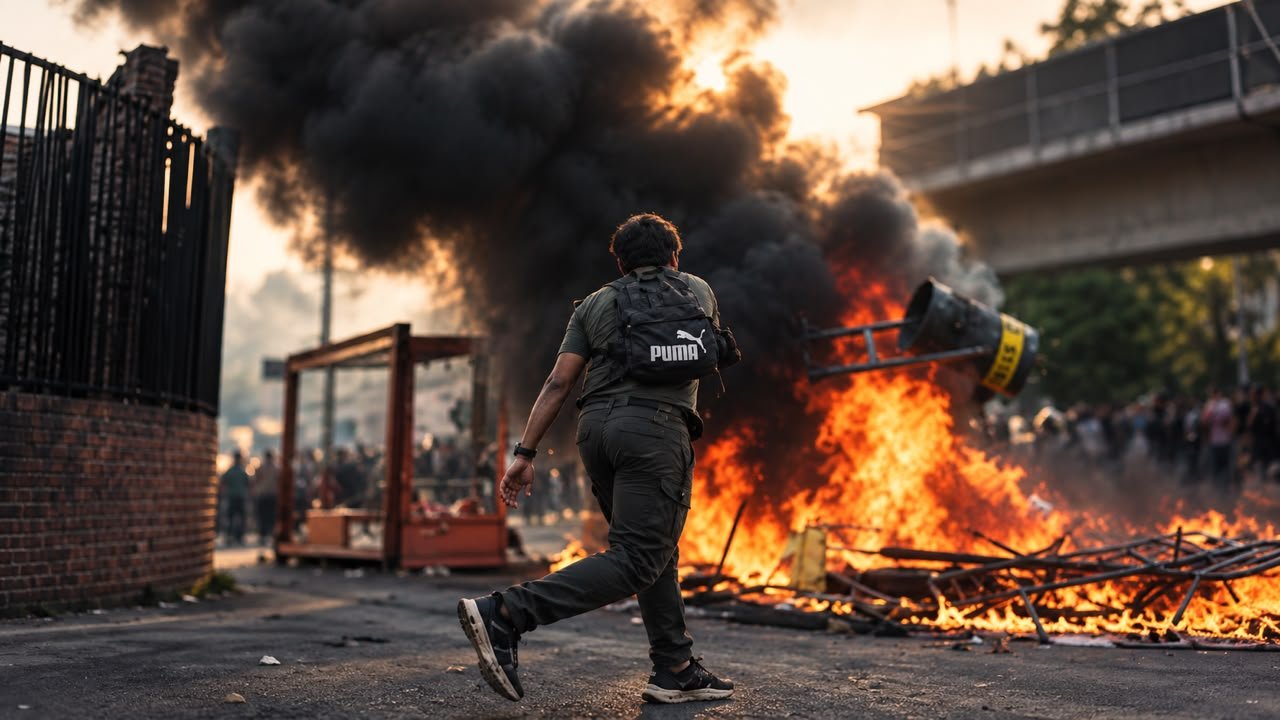
France’s student protests have intensified, with nearly 2,000 arrests, hundreds of injured police officers and widespread school blockades over education conditions and government policies.
PARIS: France has witnessed escalating high-school student protests, with nearly 2,000 people arrested as demonstrations over education conditions spread across the country and increasingly turned violent.
The protests intensified on Thursday, October 1, after students blockaded schools and took part in demonstrations over overcrowded classrooms, teacher shortages, long school hours and deteriorating school facilities. According to France’s Interior Ministry, police and gendarmes arrested 1,949 people during the unrest. More than 300 police officers were also reported injured.
The movement has affected more than 1,000 high schools across France, with blockades reported at 222 institutions. Authorities in the Paris region said dozens of schools had experienced violence, clashes or property damage.
In several cities, protesters reportedly set fire to rubbish bins and built barricades outside schools. School staff members were also among those affected by the unrest. France’s Education Ministry reported injuries involving students and school personnel.
The protests initially emerged around concerns about conditions inside schools and the wider education system. Students have complained about large class sizes, shortages of teachers and staff, demanding improvements to their learning environment.
However, the situation has rapidly developed beyond peaceful demonstrations. French authorities have described the latest incidents as a form of “urban violence” rather than simply student protests. Interior Minister Laurent Nuñez has ordered additional riot police and mobile gendarmes to areas experiencing serious unrest.
The government has also faced criticism over its handling of the demonstrations. Opposition figures and critics have questioned the authorities’ response, particularly following reports of students being seriously injured during clashes with police.
The government has meanwhile accused radical-left political groups of exploiting or contributing to the unrest. Leaders of La France Insoumise, a left-wing political party, have rejected those accusations and questioned the government’s claims about the protests’ organization.
Prime Minister Sébastien Lecornu has called a crisis meeting as authorities attempt to contain the growing unrest. The protests come at a politically sensitive time, with France already facing economic pressures and a presidential election approaching.
The central question now is whether the government can address students’ concerns while restoring order and preventing further violence across the country.


1 Comment
Great selection of games and the loyalty rewards are actually helpful. I am really enjoying my time on 98jililogin.