


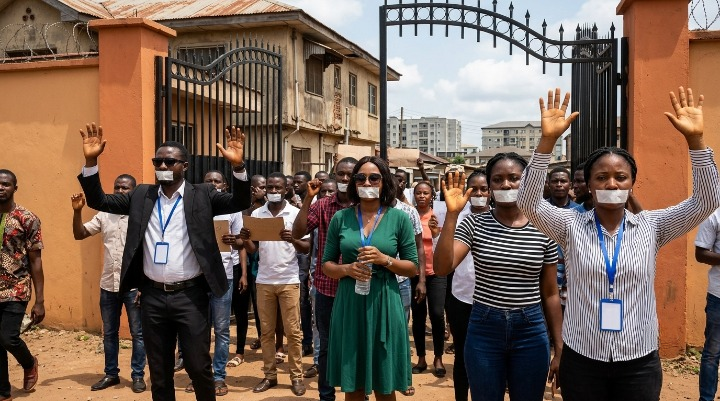
International press organizations condemned reported media shutdowns in Uganda, urging authorities to protect journalists, respect constitutional rights, and uphold internationally recognized standards for press freedom.
WEBDESK – UzGul – MEDIABITES NEWS
International press organizations have voiced strong concern over media restrictions in Uganda following reports of a military crackdown targeting independent news outlets. The latest developments have renewed debate over press freedom, journalist safety and the role of independent media during periods of political tension.
Among the organizations responding is the World Association of News Publishers (WAN-IFRA), which has urged the Ugandan government to respect constitutional protections and internationally recognized principles that safeguard media freedom. The statement comes as concerns grow over the operating environment for journalists and news organizations in the East African nation.
International Concern Over Media Restrictions
According to WAN-IFRA, the reported shutdowns and restrictions affecting independent media raise serious questions about freedom of expression and access to information. The organization called on the government of President Yoweri Museveni to uphold constitutional guarantees and ensure journalists can carry out their work without intimidation or unnecessary interference.
The statement emphasizes that a free and independent press plays an essential role in informing the public, promoting accountability and strengthening democratic institutions.
Media rights groups have increasingly highlighted the importance of protecting journalists, particularly during periods of political uncertainty or heightened security concerns.
Calls to Respect Constitutional Rights
WAN-IFRA urged Ugandan authorities to honour legal protections that support press freedom while also meeting international commitments related to freedom of expression.
The organization stressed that constitutional safeguards should remain effective in practice, allowing media organizations to report on public affairs without fear of closure or retaliation.
Advocates for media freedom argue that independent journalism contributes to informed public debate and enables citizens to access diverse viewpoints on issues that affect their lives.
Why Independent Media Matters
Independent news organizations often provide coverage of events from multiple perspectives, helping audiences understand complex developments.
When journalists are able to report freely, they can investigate issues of public interest, question those in authority and provide timely information during emergencies or major national events.
International media organizations say these functions become even more important when societies face political or security challenges.
For this reason, press freedom is widely regarded as a cornerstone of open and accountable governance.
Global Attention on Journalist Safety
The latest developments in Uganda have also renewed discussions about the safety of journalists working in difficult environments.
Press freedom organizations around the world continue to advocate for stronger protections for reporters, photographers, camera operators and editors who often work under challenging conditions.
They argue that journalists should be able to gather and publish news without facing violence, harassment or arbitrary restrictions.
The debate extends beyond Uganda, reflecting broader international conversations about the balance between national security and the public’s right to information.
Pakistan’s Perspective on Press Freedom
The developments have attracted attention beyond Africa, including among journalists and media observers in Pakistan.
Pakistan’s media industry has long debated issues such as journalist safety, editorial independence and access to information. International discussions about media freedom are therefore closely followed by news professionals, press organizations and journalism students in the country.
Many experts note that experiences from different regions can contribute to wider conversations about strengthening professional journalism and protecting reporters worldwide.
Wider Implications for the Media Industry
The response from international press organizations highlights the growing role of global media networks in defending journalistic standards.
As news becomes increasingly interconnected through digital platforms, actions affecting media freedom in one country often receive attention from organizations and audiences around the world.
This international scrutiny reflects the belief that access to reliable information remains an important public interest regardless of national borders.
Media organizations also point out that confidence in journalism depends on an environment where reporters can work independently and audiences can access diverse sources of information.
Observers will be watching to see how Ugandan authorities respond to the concerns raised by international media organizations.
Future developments may include further dialogue between government officials, media representatives and international press freedom groups regarding the operating environment for journalists.
Any policy changes or official responses could influence both domestic media operations and international perceptions of press freedom in Uganda.
A Continuing Debate
The situation has once again placed media freedom at the center of international discussion.
While governments often cite security considerations when introducing restrictions, press organizations argue that protecting independent journalism is essential for transparency, public trust and democratic accountability.
As attention remains focused on Uganda, the debate serves as another reminder of the importance many international organizations place on safeguarding journalists and ensuring that constitutional and internationally recognized protections for media freedom are respected.

