


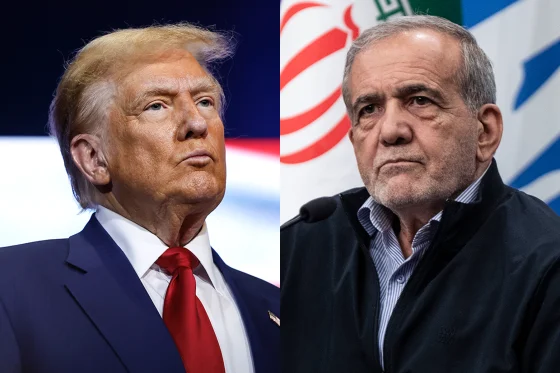
Trump warned Iran would “pay the price” for delaying a deal as Tehran reviewed future US talks following fresh military strikes, missile attacks, and rising Gulf tensions.
WEBDESK – MEDIABITES NEWS
Donald Trump warned Iran it would “pay the price” for delaying a nuclear deal after fresh US strikes and Iranian retaliation pushed Middle East tensions dangerously higher.
US President Donald Trump has issued a fresh warning to Iran, declaring that Tehran will “pay the price” for taking too long to negotiate an agreement with Washington as military tensions between the two countries continue to intensify.
In a strongly worded post on Truth Social on Tuesday, Trump claimed Iran’s military had been “completely defeated” and described the country’s armed forces as “a complete and total mess.”
He further alleged that much of Iran’s navy and air force “doesn’t even exist anymore,” accusing Tehran of being “all talk and no action” while labeling it the “Bully of the Middle East.”
The remarks came after US forces launched strikes late on June 9 against Iranian air-defense, radar, and surveillance sites near the Strait of Hormuz. Washington said the attacks were carried out in response to the downing of an American Apache helicopter off the coast of Oman.
Iran later retaliated by launching missiles and drones toward US-linked targets in Jordan and across the Gulf region, although American officials claimed most of the incoming attacks were intercepted before causing major damage.
Despite the latest military confrontation, Trump insisted that a negotiated agreement with Iran remains possible.
However, in an interview with Fox News, the US president also warned that he was close to authorizing additional strikes targeting Iranian infrastructure, including bridges and power plants, if Tehran refused to finalize a deal with Washington.
According to Reuters, Qatari negotiators traveled to Tehran on June 10 following consultations with US officials in an effort to revive negotiations and prevent further escalation.
Trump reportedly said Iran still had an opportunity to reach an agreement, but warned that further military action remained an option if talks continued to stall.
Meanwhile, Tehran indicated that the future of diplomatic talks with Washington is now under serious review following the latest exchange of attacks.
Iranian Foreign Ministry spokesman Esmail Baghaei said that diplomacy could not continue in isolation from military developments on the ground.
“Diplomacy and the battlefield are not separate matters; they exist alongside and complement one another,” Baghaei said on June 10.
“Given last night’s developments, we need to assess the situation,” he added, stressing that negotiations require at least a minimum environment for diplomacy to move forward.
The latest confrontation marks one of the most dangerous moments in US-Iran relations in recent years, with fears growing that further escalation could destabilize the wider Gulf region and threaten global energy markets.
The Strait of Hormuz remains one of the world’s most critical oil shipping routes, making any military conflict in the area a major concern for international trade and energy security.


15 Comments
References:
Lollybet Casino Roulette m.shop1.case79.cafe24.com
References:
Lollybet Casino Sicherheit skin-skin5–shop2.socksappeal.cafe24.com
Pingback: big ba bonanza
References:
Beef Casino Auszahlung https://s3.amazonaws.com/new-casino/Pistolo-Casino-Einzahlung.html
References:
Lemon Casino Einzahlung https://s3.amazonaws.com/new-casino/Beau-Casino-Test.html
References:
%random_anchor_text% https://cyprusjobs.com.cy/
References:
Vulkan Vegas Casino App https://werkstraat.com/companies/instant-casino-ist-es-betrug-oder-serios
References:
Candy96 live casino behired.eu
References:
Candy 96 slot https://jobbridge4you.com/employer/live-games-at-candy96-real-dealer-casino
References:
This Is Vegas Casino Bewertung http://burana.ijs.si/wiki14/api.php?action=https://dilimspunjabverify.online/kelseybrereton
References:
Bet365 Casino Bonus http://www.codementor.io
References:
Kingmaker Casino Login www1.suzuki.co.jp
References:
Total Casino Login https://freeadvertisingforyou.com/
References:
Sg Casino Bonus ohne Einzahlung chaturbate.com
References:
1go Casino Auszahlung https://toyota-verso.ru:443/ucp.php?mode=logout&redirect=http://zenithgrs.com/employer/beste-krypto-casinos-2026-im-test-und-vergleich/