


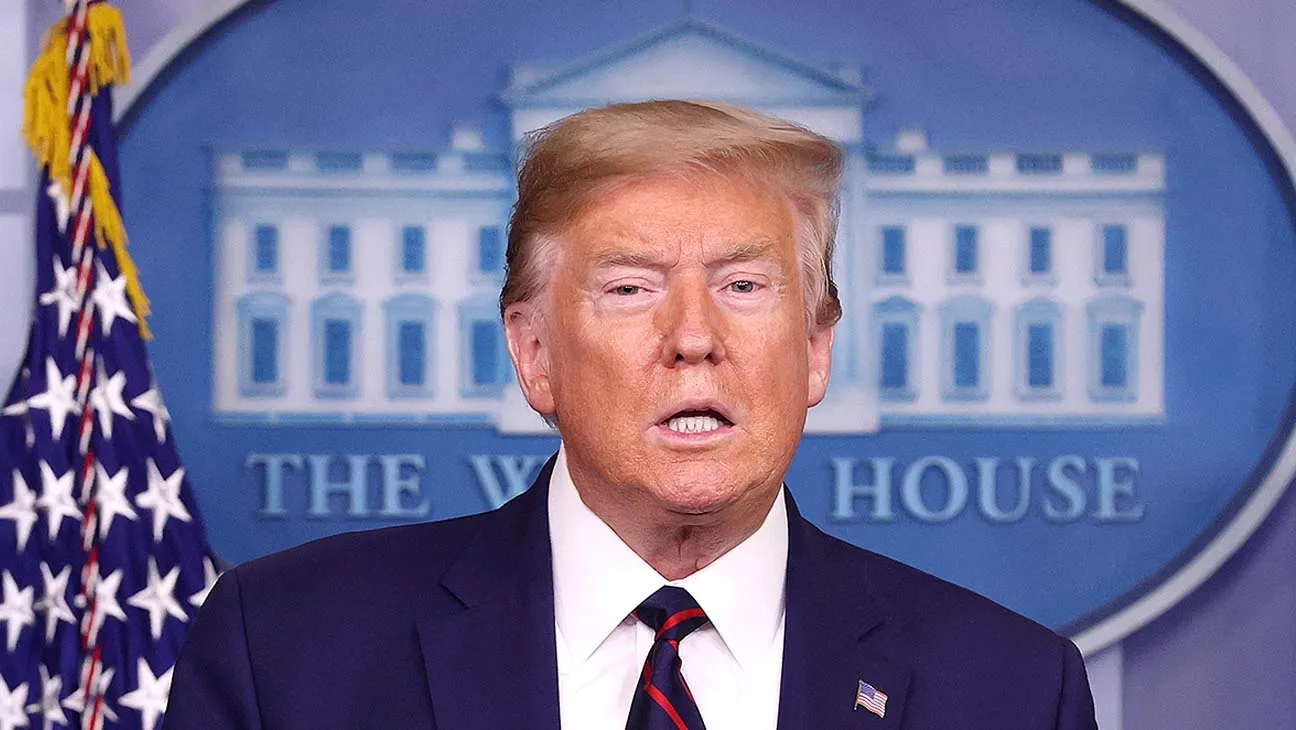
Pentagon reveals soaring cost of conflict as President prepares for fresh military briefing amid fragile ceasefire and political pressure.
Webdesk – MediaBites News
WASHINGTON — U.S. President Donald Trump is set to receive a high-level military briefing on new strike options against Iran, as officials confirmed the war has already cost the United States $25 billion.
The briefing, expected Thursday, will be led by Brad Cooper of U.S. Central Command and will outline potential scenarios for renewed military action despite a fragile ceasefire that has held for three weeks.
According to reports, one option under consideration includes a “short and powerful” wave of strikes targeting Iranian infrastructure. Another scenario involves securing parts of the Strait of Hormuz to safeguard global shipping routes, which handle nearly 20% of the world’s energy supplies.
Military planners are also said to be exploring the possibility of deploying special forces to secure Iran’s stockpile of enriched uranium, reflecting ongoing concerns over Tehran’s nuclear program.
The renewed planning comes as Defense Secretary Pete Hegseth defended the rising cost of the war, telling lawmakers the spending was necessary to prevent Iran from acquiring nuclear weapons.
The $25 billion figure marks the first official estimate of the conflict’s cost since it began on Feb. 28 with joint U.S. and Israeli strikes on Iran. Officials said a large portion of the spending has gone toward munitions and military operations.
However, the escalating financial burden and economic fallout are intensifying political tensions in Washington, particularly ahead of the midterm elections. Rising oil and gas prices linked to disruptions in the Strait of Hormuz have pushed U.S. fuel prices to their highest levels in nearly four years.
Public support for the conflict remains low, with recent polls indicating declining approval for the war. The human toll has also mounted, with 13 U.S. troops killed and hundreds wounded, while regional strikes have caused widespread civilian casualties and displacement.
Despite the ceasefire, U.S. forces remain heavily deployed in the Middle East, with multiple aircraft carriers stationed in the region and military planners continuing to prepare for possible escalation.


2 Comments
Pingback: https://xcasino-go.zv-vrata.ru
Pingback: kazinopinapaviatorkakzakhstan.com.kz