


President Donald Trump is set to hold a conference call with Pakistan and Gulf leaders as Iran refuses compromise despite signs of progress in high-stakes negotiations with Washington.
WEBDESK – MediaBites News
Diplomatic efforts to prevent a wider Middle East conflict intensified on Saturday as U.S. President Donald Trump prepared for an emergency conference call with Pakistani and Gulf leaders while Iran maintained a defiant stance in ongoing negotiations with Washington.
The planned call, involving Pakistan and key Gulf states, comes amid mounting international concern over regional instability, disrupted oil markets and fears of renewed military escalation.
Iran’s top negotiator, Mohammad Baqer Qalibaf, warned during talks in Tehran that Tehran would not compromise on what it described as its “national rights.”
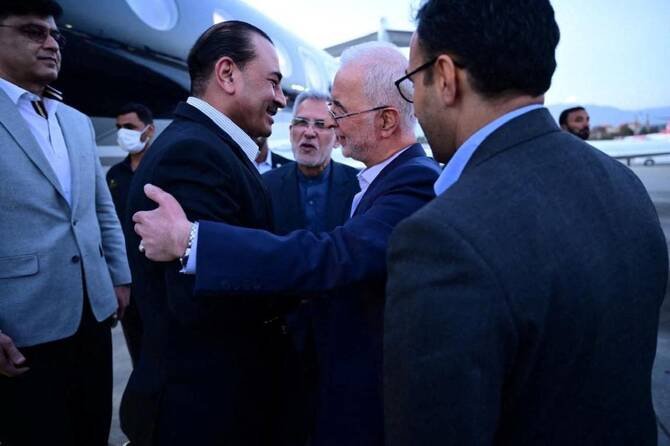
According to Iranian state media, Qalibaf made the remarks during meetings with Asim Munir, whose government has emerged as the primary mediator between Tehran and Washington.
Qalibaf reportedly accused the United States of lacking honesty in negotiations and warned that if Washington restarted military action, Iran’s response would be “more forceful and bitter” than before.
The meetings are part of a broader diplomatic initiative led by Pakistan to prevent further escalation after months of conflict severely disrupted shipping through the strategic Strait of Hormuz and rattled global energy markets.
Iranian media reported that Munir also met Iranian President Masoud Pezeshkian and Foreign Minister Abbas Araqchi during his visit.
Sources familiar with the negotiations said discussions focused on a proposed 14-point Iranian framework and the exchange of messages between Tehran and Washington.
Despite Iran’s tough public rhetoric, officials on both sides acknowledged progress in negotiations.
U.S. Secretary of State Marco Rubio said from New Delhi that diplomatic efforts were moving forward and hinted that an announcement could come within days.
“There’s been some progress made,” Rubio told reporters. “There is a chance that whether it’s later today, tomorrow, in a couple days, we may have something to say.”
Iranian Foreign Ministry spokesperson Esmail Baghaei also confirmed that differences between the two sides had narrowed, although several major disputes remained unresolved.
Pakistan’s military described the recent talks as “encouraging,” saying the latest round of diplomacy had generated positive momentum toward a possible agreement.
However, deep disagreements continue over Iran’s enriched uranium stockpile, sanctions relief, regional security guarantees and the future reopening of the Strait of Hormuz.
Washington continues demanding that Iran abandon any path toward nuclear weapons, reopen shipping routes without imposing tolls and surrender its enriched uranium stockpile.
Iran, meanwhile, insists on sanctions relief, guarantees against future attacks and recognition of its regional security concerns.
The prolonged standoff has already disrupted global trade, increased oil prices and heightened fears of a broader regional confrontation involving Israel, Hezbollah and Gulf states.
Diplomatic observers say the next several days could prove decisive as international mediators race to prevent the fragile ceasefire from collapsing into a wider war.


3 Comments
Pingback: https://bcgamezerkalo.it.com
Pingback: บาคาร่าเกาหลี
Pingback: INFY 20K