


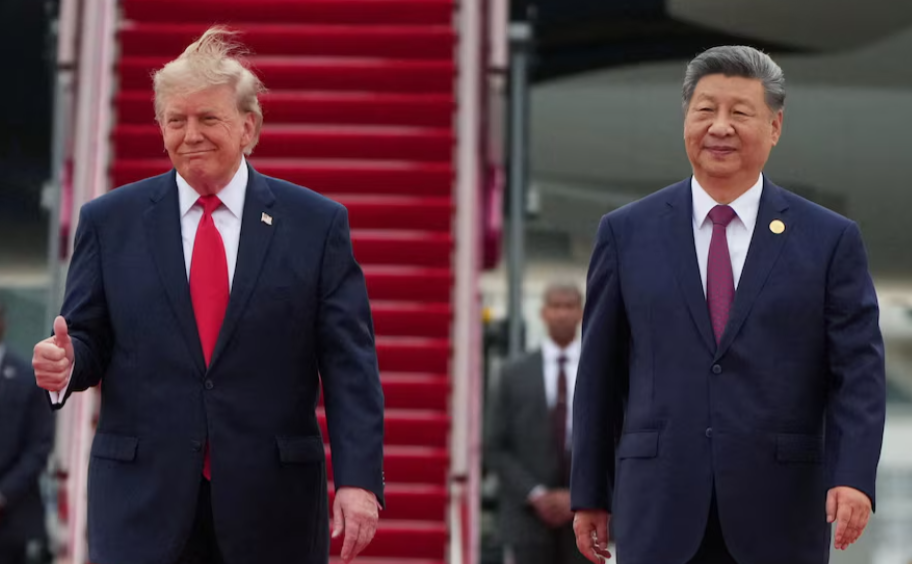

Despite midterm losses and tariff unpopularity, President Trump proposed new tariffs on 14 trading partners including China, the EU and Japan, aiming to loosen China’s grip on trade.
WEBDESK – MEDIABITES

The Trump administration has proposed new tariffs on goods from 14 major trading partners, including China, Japan and the European Union. The move comes just weeks after voters punished his Republican Party in the midterm elections.
The new policy, which followed an eight-month review of trading partners’ practices, revamps a set of tariffs that Trump imposed in 2025 and the Supreme Court struck down as illegal in February. The new levies will be imposed under Section 301 of the Trade Act of 1974, which allows the president to levy tariffs in response to unfair trade practices.
China the main target
The proposals include tariffs of at least 20% on China, which would match an agreement reached with the White House. Some reports say the rate could rise to 40%, and for Vietnam, 35%.
The new tariffs keep within the bounds of a trade truce with China, but the US left room for more, raising the stakes ahead of the year’s fourth summit of their leaders, set for Miami next month, and the Jan. 10 expiry of their trade pact.
Beyond China itself, the US is pressing other countries to cut their reliance on Chinese goods. In reports on third countries, Washington criticised partners for doing too little to curb imports from China.
Beijing pushed back but held its fire. China’s foreign ministry responded by rejecting accusations of unfair industrial practices, but stopped short of threatening retaliation.
Power over popularity
The tariffs remain unpopular with voters. A Reuters/Ipsos opinion poll in the wake of the elections showed 62 per cent of respondents would support efforts to repeal the tariffs. Yale University’s Budget Lab estimated earlier this month that tariffs raised US household costs by $900 annually.
But Trump is standing firm. With Democrats set to control Congress for the final two years of his presidency, tariffs are taking on added importance as one of the most potent economic tools Trump can wield without lawmakers’ approval.
The White House argues that tariffs are bringing manufacturing back to America. “This is all because of tariffs,” Trump told CNBC on Monday as he touted new factories being built in the US. Officials also stressed that the duties are not “blanket” tariffs and that they are “targeted” to each specific country.
Battle ahead in Congress
Democrats have vowed to challenge the tariffs once they take power. Likely House Speaker Hakeem Jeffries promised to “stop the stupid Trump tariffs”. The new duties are also likely to face an uphill battle in the courts and the new Democratic-controlled Congress.
Based on analysis by Reuters.

