


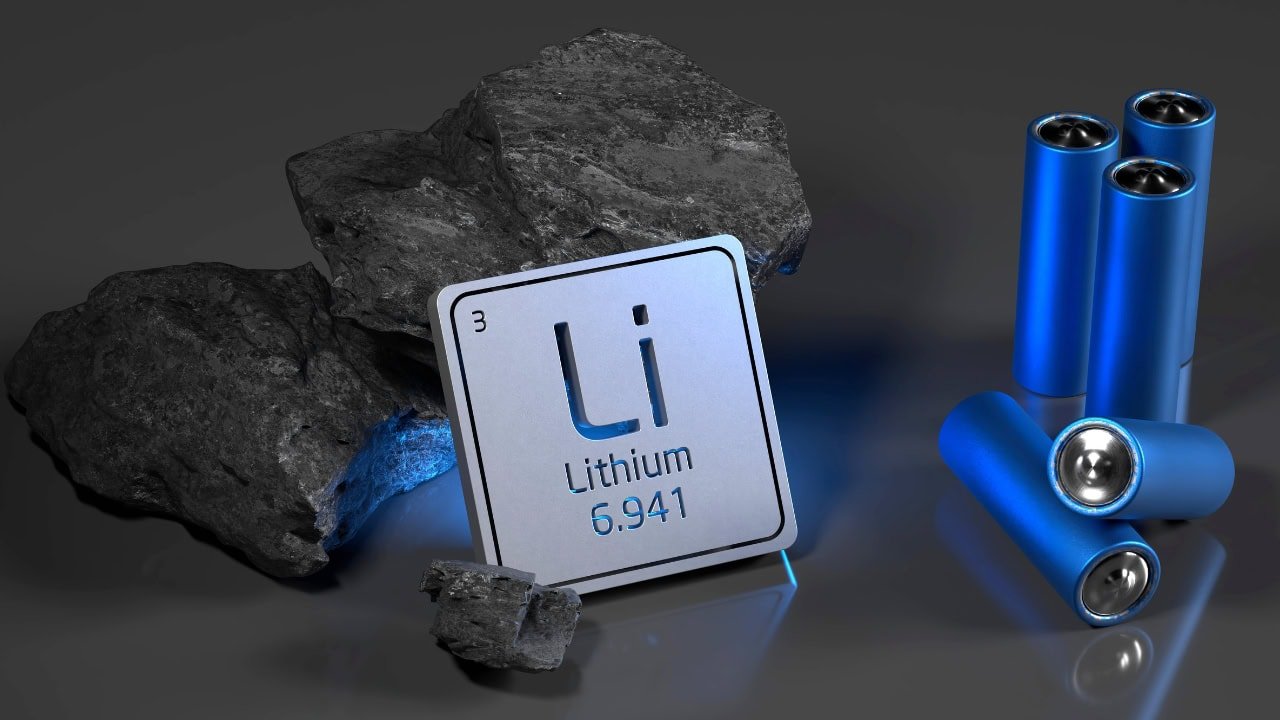
Pakistan has confirmed lithium reserves in Sindh’s Khairpur district, raising hopes for a future battery industry. However, experts say commercial production and cheaper batteries will require years of development.
WEBDESK – ABDUL REHMAN SHAHEER – MEDIABITES NEWS
Lithium Found in Khairpur
Pakistan has identified lithium reserves in a well located in Khairpur, Sindh, marking the country’s first confirmed discovery of the valuable mineral. Following the discovery, Oil and Gas Development Company Limited (OGDCL) signed an agreement with the Pakistan Institute of Nuclear Science and Technology (PINSTECH) to develop technology for extracting lithium from geothermal water. Authorities have also announced plans to examine eight to ten additional wells across Sindh for further exploration.
Why Lithium Matters?
Lithium, often called “white gold,” is one of the world’s most valuable minerals due to its essential role in manufacturing rechargeable batteries. It is widely used in smartphones, laptops, electric vehicles (EVs), and renewable energy storage systems. Pakistan has witnessed a rapid rise in lithium battery imports in recent years as demand for solar energy and battery storage continues to increase nationwide.
Experts Urge Patience
Energy and mining experts believe the discovery is encouraging but remains at an early stage. They explain that confirming the quantity, purity, and commercial viability of lithium requires extensive laboratory testing, exploration, and advanced extraction technology. Pakistan currently lacks a complete lithium processing and refining industry, making foreign technical expertise and investment necessary before commercial production can begin.
Challenges Ahead
Experts also point out that inconsistent industrial policies and the absence of modern processing facilities remain major obstacles. Without long-term government support and investor confidence, establishing a domestic lithium industry will be difficult. Developing mines, refining facilities, and battery manufacturing plants could take several years before delivering economic benefits.
Future Opportunities
Despite these challenges, the discovery represents an important milestone for Pakistan’s energy and industrial sectors. If further exploration confirms significant reserves and the government implements a comprehensive strategy, the country could reduce dependence on imported lithium batteries, strengthen its renewable energy sector, attract foreign investment, and eventually build a competitive local battery manufacturing industry. While cheaper batteries are unlikely in the immediate future, the discovery offers promising long-term opportunities for Pakistan’s economic and technological development.


2 Comments
Nếu đang tìm hiểu về fly888, bạn nên tham khảo thông tin từ nhiều nguồn để có góc nhìn đầy đủ.
I was wondering if you ever thought of changing the page layout of your site? Its very well written; I love what youve got to say. But maybe you could a little more in the way of content so people could connect with it better. Youve got an awful lot of text for only having 1 or two pictures. Maybe you could space it out better?