


The Committee to Protect Journalists has condemned Pakistan’s new foreign media rules, warning they could curb independent reporting and further weaken press freedom during Kashmir unrest.
WEBDESK – MEDIABITES
The Committee to Protect Journalists (CPJ) has urged Pakistani authorities to immediately withdraw newly introduced foreign media guidelines, describing them as “draconian” measures that threaten press freedom and restrict independent reporting, particularly on the ongoing unrest in Pakistan-administered Kashmir.
In a statement issued Thursday, the New York-based press freedom organization said the new Foreign Media Facilitation Guidelines require both foreign correspondents and Pakistani journalists working for international media organizations to obtain a no-objection certificate (NOC) from the Ministry of Information before undertaking official reporting assignments outside Islamabad, Lahore and Karachi.
According to CPJ, the regulations could significantly hinder journalists’ ability to report freely from conflict-affected and politically sensitive regions.
“The Foreign Media Facilitation Guidelines open the door for Pakistani authorities to further restrict international media coverage, prevent journalists from reporting freely outside Pakistan’s three main cities, and risk exposing them to administrative retaliation,” said Waliullah Rahmani, CPJ’s Afghanistan and Pakistan representative.
He added that the guidelines represent “yet another appalling blow to press freedom in Pakistan,” particularly for journalists covering unrest in Pakistan-administered Kashmir.
New restrictions follow criticism of international coverage
The five-page guidelines were introduced days after the Pakistani government criticized international reporting on elections and protests in Kashmir and accused Qatar-based broadcaster Al Jazeera of engaging in what it called “yellow journalism.” Access to Al Jazeera’s website has since been restricted in Pakistan.
Under the new rules, authorities may suspend or revoke journalists’ accreditation or that of media organizations for activities deemed to be against the “ideology, sovereignty, security or public order of Pakistan.”
The guidelines also require all foreign media organizations and individuals working with them—including local journalists, producers, translators and fixers—to register separately with the Ministry of Information and obtain official accreditation.
Even foreign journalists visiting Abbottabad or Murree for leisure purposes must now obtain an NOC because of the cities’ proximity to Kashmir, according to the guidelines reviewed by CPJ.
Concerns over crackdown on journalists
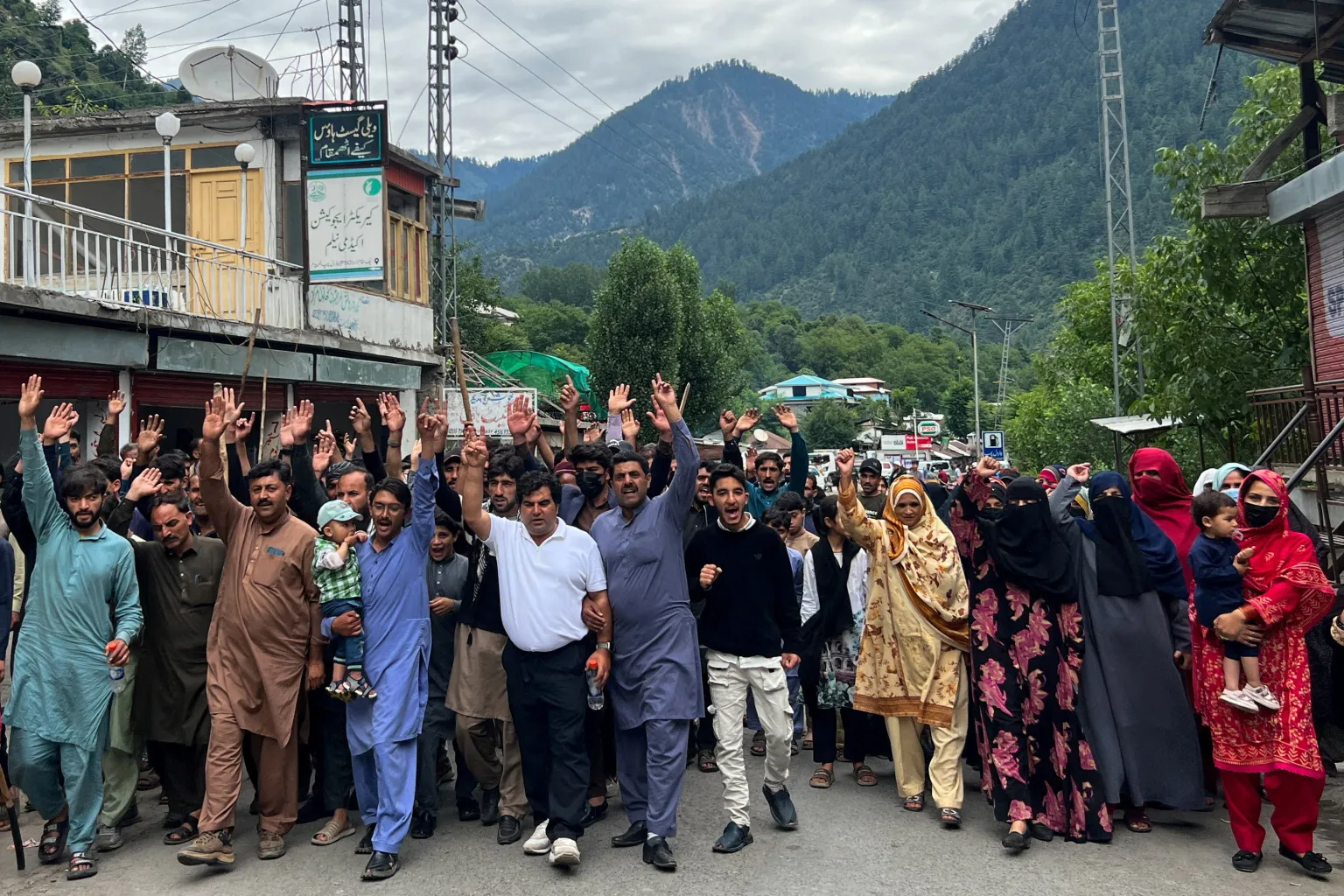
CPJ noted that the new restrictions come amid an escalating crackdown on media coverage of protests demanding electoral reforms in Pakistan-administered Kashmir.
Authorities have reportedly banned coverage of demonstrations after several international news organizations highlighted allegations of police brutality during clashes with protesters. Mobile and internet services were also suspended in parts of the region.
International media reports cited by CPJ say at least 40 people died before voting began on July 27.
The organization also raised concerns about the treatment of journalists covering the unrest. It said journalist Syed Farhad Ali Shah began a hunger strike on July 28 after being detained for more than a month without charge, while journalists Razi Tahir and Muhammad Saif have been missing since police detained them on Aug. 1.
Government yet to respond
CPJ said Pakistan’s Ministry of Information did not respond to its request for comment on the new regulations.
The latest measures have drawn renewed international scrutiny over media freedom in Pakistan, with press rights groups warning that tighter controls on foreign and local journalists could further limit independent reporting from sensitive regions.

