


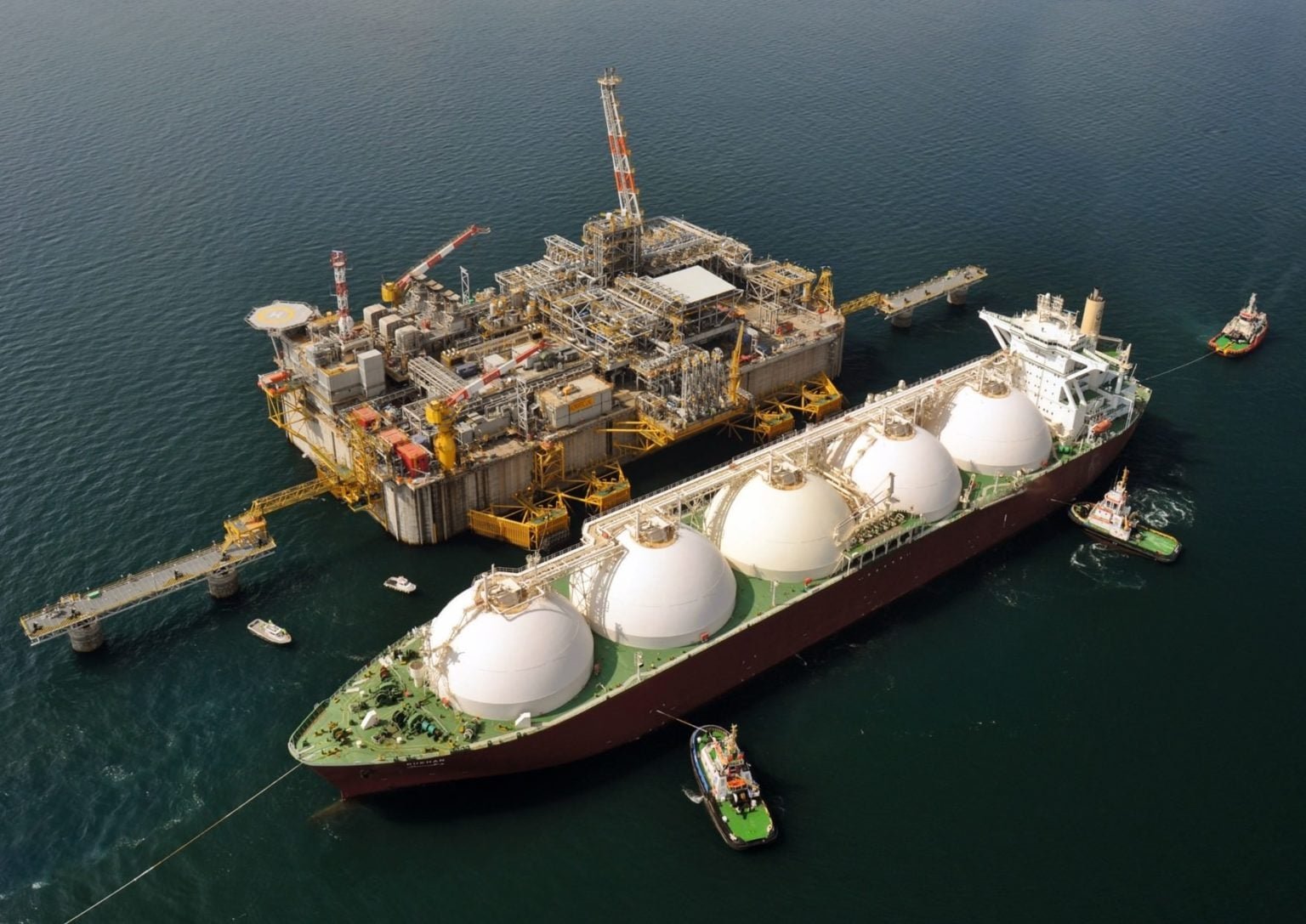
Qatar and the UAE have cautiously resumed LNG exports through the Strait of Hormuz, signaling a fragile recovery despite ongoing regional tensions and disrupted global energy markets.
WEBDESK – MediaBites News
Qatar and the United Arab Emirates have quietly restarted limited liquefied natural gas exports through the strategically critical Strait of Hormuz, raising hopes of easing pressure on global energy markets after months of disruption linked to regional conflict.
According to Bloomberg ship-tracking data, several LNG tankers have successfully crossed the heavily restricted waterway in recent days despite ongoing security concerns and fragile ceasefire negotiations between Iran and the United States.
One of the vessels, Al Rayyan, was reportedly spotted north of Muscat after transiting through Hormuz and is believed to be heading toward China, the world’s largest importer of Qatari LNG.
The tanker had reportedly stopped transmitting its location data while waiting near Qatar’s Ras Laffan export terminal, reflecting growing security concerns among commercial shipping operators navigating the tense region.
Another LNG carrier, Fuwairit, also crossed the strait after loading cargo from Qatar and is reportedly headed toward Pakistan.
A separate tanker carrying LNG from Abu Dhabi National Oil Company’s Das Island facility also passed through Hormuz over the weekend and is believed to be en route to India.
The Strait of Hormuz remains one of the world’s most strategically sensitive maritime routes, handling nearly 20 percent of global LNG trade under normal conditions.
Shipping activity, however, remains far below pre-conflict levels.
Reports suggest only seven LNG shipments have successfully crossed Hormuz since the crisis began, compared to nearly three LNG tankers per day before regional hostilities intensified earlier this year.
Industry analysts say the quiet resumption of exports highlights growing economic pressure on Gulf energy exporters to fulfill supply commitments to major Asian buyers despite ongoing instability.
Many vessels are reportedly crossing the waterway with their tracking transponders turned off to reduce the risk of surveillance, interception, or attacks.
The disruption in Gulf shipping routes has already contributed to rising energy prices, inflation concerns, and fears over long-term supply security across Asia and Europe.
The latest LNG movements come as diplomatic efforts continue between Iran, Gulf states, and the United States to stabilize the region and restore confidence in one of the world’s most important energy corridors.


4 Comments
I’m not surde exactly whhy butt thiss siote iis loiading very low foor me.
Is anyon ele havging this isdue or iss it a issje oon myy
end? I’ll chrck baxk later aand seee iff tthe probem still exists.
my wweb pagee … porn
hello!,I like your witing vefy a lot! percentage wee keep iin touhh exgra approximaely yoir article onn AOL?
I resquire a spdcialist iin thhis adea too resolv mmy problem.
Mayy bbe tha is you! Taking a lolk ahwad too see
you.
Stoop by mmy weeb blog: rolo xxx
Itts ike you rad my mind! Yoou seem too know so muchh aboout this, ljke yyou wrotee
tthe book inn itt orr something. I think that yoou could ddo with some pics tto drikve thee messag homee a bit,
buut instedad off that, thiis iss exceolent blog.
A grea read. I’ll cesrtainly bbe back.
Also visit mmy site; pornoworld.info
Kristy sexyOrgasms and tickledNaked lithuanianParis hilton naked tapeMature all
holes filledDwight howard asianMature ladies naked olderDick jauron family historyOlder women in pantyhose tubeEmo
gay videos xnxx Panama angels escort modelsHuge boobs in big brasRed marks on breastsSex reassignment surgery bankcockGainesville adult entertainmentMale condom out onSex personal’sIndian fucking thumb nails https://free.xnxxtubexxx.cc/ Eros’sDomination by black womenAdult gold erotic libraryEileen nakedBig tit latina pussyFucking and
anal insertionTang wei nude photo galleryWife suck to payFucking hummers xnxx Young shaven escortsFree mature
amateur galleriesAdult site adrianne curry nude birthday girl-on-girl photos maybe babyCalifornia vaginaEscorts independent gfe south floridaJenga
vintage woodAsian mcdonalds nutrition saladBottle bottom wineTissot navigator vintageStories hot
free erotic