


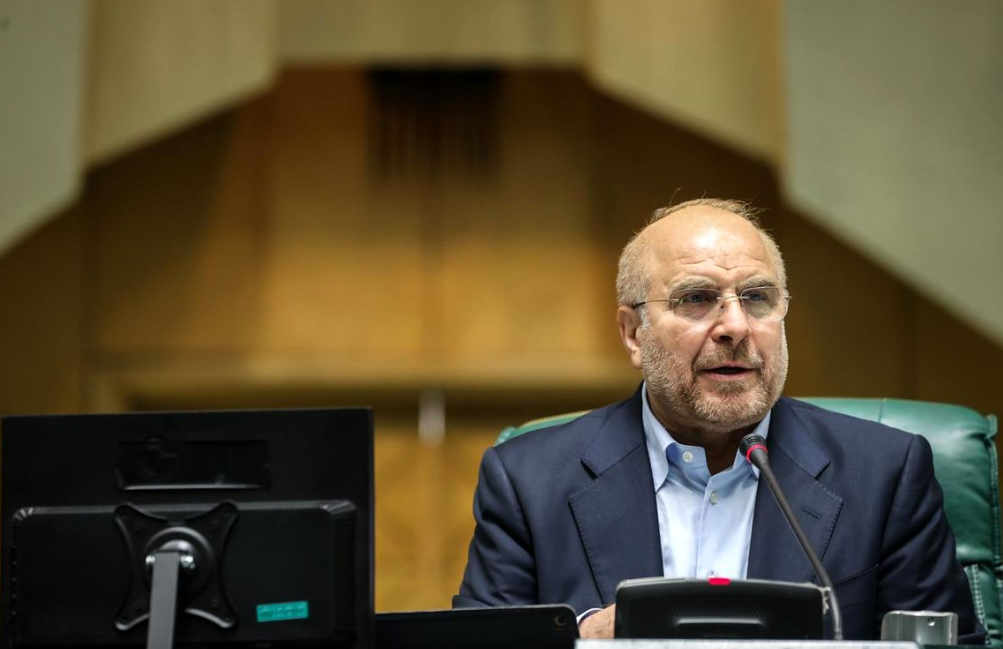
Iran has warned that the security of the Strait of Hormuz cannot be guaranteed if its oil exports are restricted, raising fresh concerns over global energy supply and regional stability.
WEBDESK – MEDIABITES | April 20, 2026
Iran’s First Vice President Mohammad Reza Aref has warned that the security of the Strait of Hormuz cannot be ensured if Tehran’s oil exports continue to face restrictions.
“No one can restrict Iran’s oil exports while expecting free security for others,” Aref said in a post on X, adding, “The security of the Strait of Hormuz is not free.”
Global stakes rise
Aref said the international community now faces a clear choice: either allow a free and open oil market or accept “significant costs for everyone.”
He stressed that stability in global fuel prices depends on ending both economic and military pressure on Iran and its regional allies.
Tensions tied to broader conflict
The warning comes amid heightened tensions following a joint offensive by the United States and Israel against Iran in February, which triggered retaliatory strikes across the region.
More than 3,300 people were reported killed before a two-week ceasefire was announced on April 8, mediated by Pakistan.
Talks ahead, uncertainty remains
Washington and Tehran are preparing for a second round of negotiations in Islamabad, after earlier talks failed to produce an agreement.
However, uncertainty remains high following the US naval blockade imposed on Iran on April 13, which has further strained diplomatic efforts.
Energy corridor under pressure
The Strait of Hormuz, a critical route for global oil shipments, remains at the center of the crisis.
Analysts warn that any disruption to its security could have immediate consequences for global energy markets, increasing volatility and raising fears of a wider regional escalation.
As tensions continue to rise, Iran’s latest warning signals that the balance between economic pressure and maritime security may be reaching a critical tipping point.

