


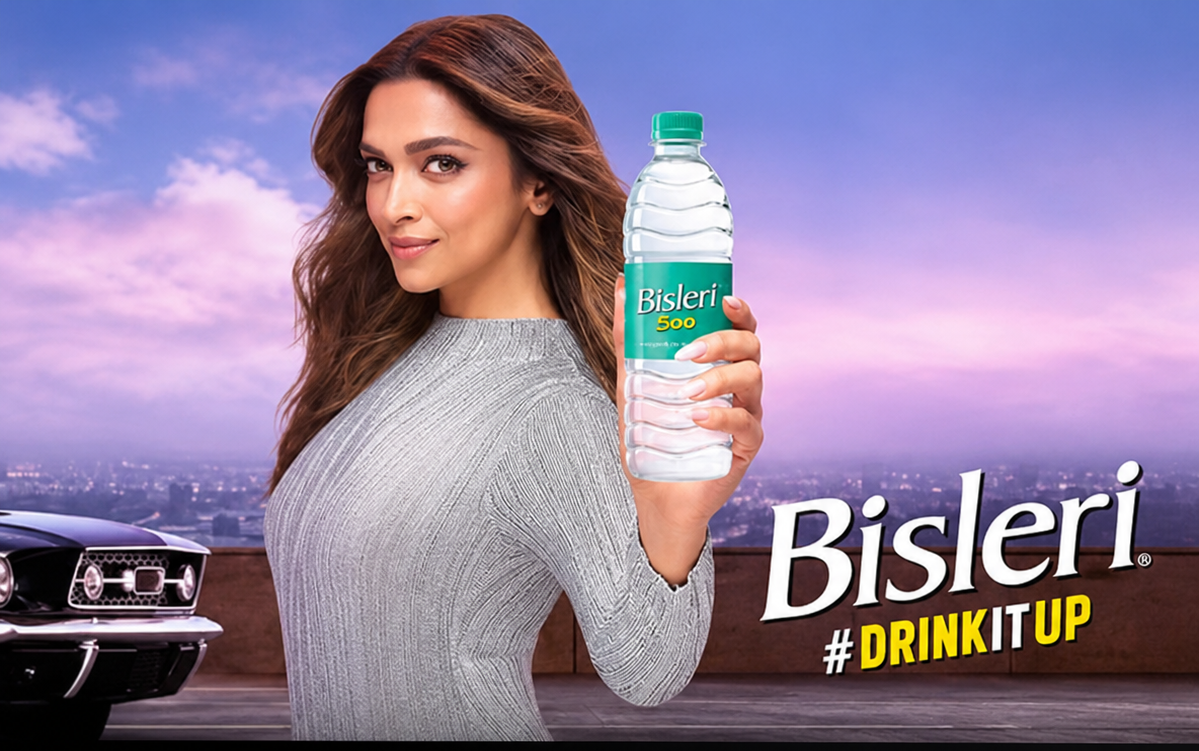

India’s food regulator found coliform bacteria in a Bisleri water sample, the second safety finding against the country’s top bottled-water brand in recent days.
WEBDESK – MEDIABITES

NEW DELHI: Indian authorities have found a sample of Bisleri-branded water unsafe because of coliform bacteria, according to a regulatory document seen by Reuters.
Why it matters: Bisleri is India’s biggest and most popular packaged-water brand. Millions of homes and restaurants rely on bottled water because tap water quality is poor, so any safety question hits the market directly.
Driving the news: In a notice dated August 12, the Food Safety and Standards Authority of India (FSSAI) told Bisleri to stop selling the affected batch.
- “The sample was found to be non-conforming (UNSAFE),” the notice said. “It shows the presence of coliform.”
- A government official, who declined to be named because the results are not public, said a confirmation test also found the sample unsafe.
The big picture: Consumers were already worried. Earlier this week, the regulator said another Bisleri sample was unsafe because it contained chemicals that health agencies say may cause cancer.
What Bisleri says: The Mumbai-based company said it recalled the batch in August on government instructions. It confirmed that the primary and referral laboratories had reported coliform in the regulatory sample.
- Bisleri said independent tests it commissioned on samples from the same batch met coliform and all other food safety standards.
- “The difference between the regulatory and independent findings warrants a thorough review,” the company said, adding that it will keep cooperating with FSSAI.
By the numbers:
- Bisleri bottles sell for about 20 cents.
- The company has 130 plants and 5,980 distributors.
- India’s packaged drinking-water market is worth $3.5 billion. Bisleri leads it, ahead of rivals PepsiCo and Coca-Cola.
Between the lines: Tata was previously in talks to buy Bisleri, whose brand ambassadors include Bollywood star Deepika Padukone.
The bottom line: Two unsafe findings in quick succession put the market leader under pressure to prove its water is safe.
With input from Reuters

