


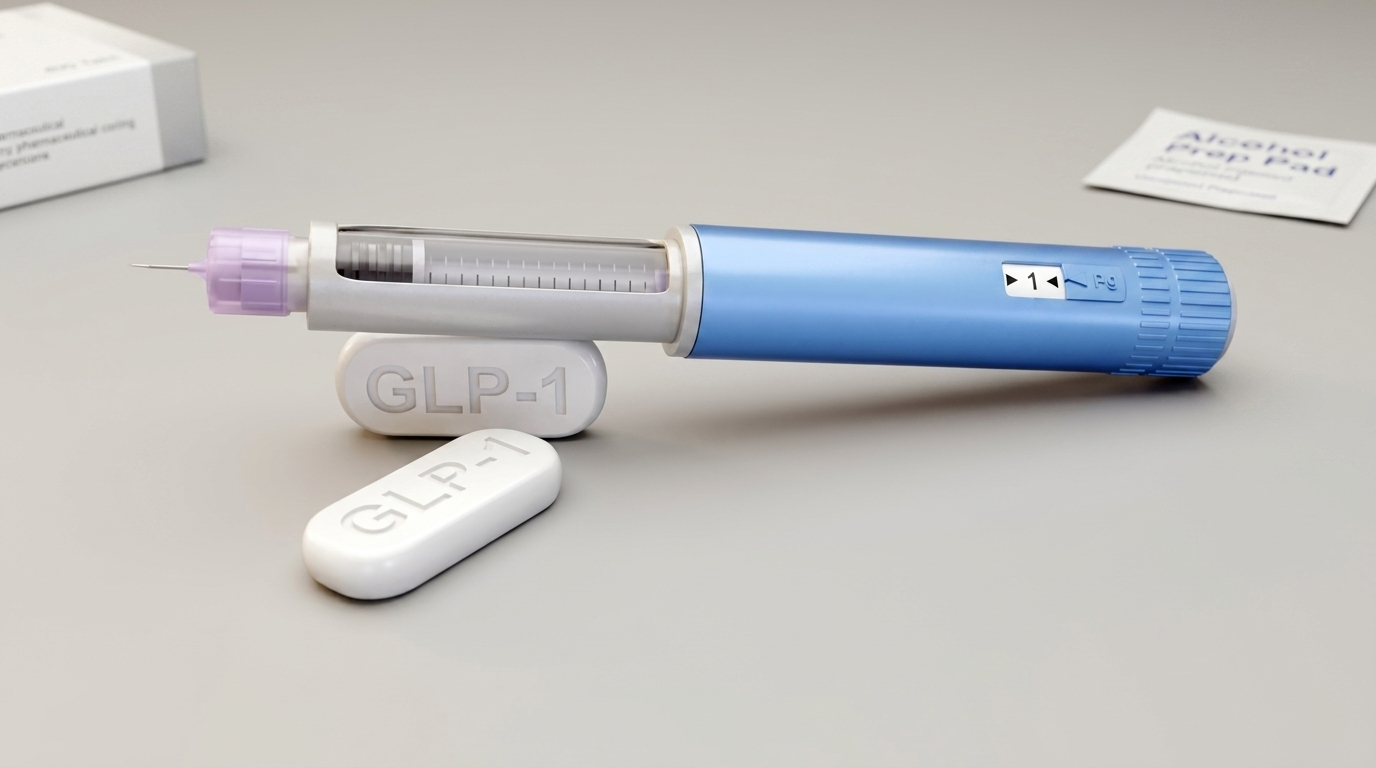
Scientists are increasingly studying whether GLP-1 weight-loss drugs could influence cancer risk, sparking new interest in how these popular medications may affect long-term health outcomes.
WEBDESK – UzGul – MEDIABITES NEWS
Scientists Explore Surprising Cancer Link as Interest in GLP-1 Drugs Grows
The scientific community is paying closer attention to a new area of research involving GLP-1 medications, a class of drugs widely used for diabetes treatment and weight loss. Researchers are now investigating whether these medications could also influence cancer risk, opening a new chapter in one of healthcare’s most discussed fields.
GLP-1 drugs have gained global popularity over the past few years due to their effectiveness in helping patients lose weight and manage blood sugar levels. However, recent studies are beginning to explore whether the benefits of these medications may extend beyond obesity and diabetes.
The emerging research has attracted significant interest because obesity itself is linked to several types of cancer. Scientists are now trying to understand whether the medications that reduce obesity could indirectly affect cancer outcomes as well.
Why Researchers Are Looking at Cancer Risks
The growing focus on GLP-1 drugs comes as healthcare experts continue searching for better ways to reduce cancer risk factors. Obesity has long been associated with increased risks of cancers affecting organs such as the liver, pancreas, colon, breast, and kidneys.
Since GLP-1 medications can help people achieve substantial weight loss, researchers believe they may play a role in lowering some obesity-related health risks. This possibility has encouraged several studies examining long-term patient outcomes.
Scientists caution that current findings are still developing. While some research suggests potentially positive trends, experts emphasize that more evidence is needed before drawing definitive conclusions.
What Are GLP-1 Drugs?
GLP-1 receptor agonists are medications originally developed to help people with type 2 diabetes manage blood sugar levels. They work by mimicking hormones that regulate appetite and insulin production.
In recent years, these medications have become increasingly popular as weight-loss treatments. Their ability to help patients reduce body weight has transformed obesity management in many countries.
The widespread adoption of these drugs has also provided researchers with larger patient populations to study, creating new opportunities to examine long-term health effects.
Early Findings Are Generating Excitement
Several recent studies have reported findings that researchers describe as intriguing. Some data suggest that patients using GLP-1 medications may experience lower rates of certain obesity-related cancers compared to individuals who do not use these treatments.
While these observations have generated excitement, experts stress that association does not necessarily prove causation. The reduced cancer risk could be linked to weight loss itself rather than a direct effect of the medications.
As a result, scientists are calling for more clinical research to better understand the relationship.
Experts Urge Caution Despite Positive Signals
Medical professionals caution against viewing GLP-1 drugs as cancer-prevention medications. Current evidence is not strong enough to support such claims.
Researchers emphasize that these medications remain approved primarily for diabetes management and weight loss. Any potential impact on cancer outcomes requires additional investigation through long-term studies.
Healthcare providers are encouraging patients to continue following medical guidance and not alter treatment plans based on preliminary findings.
Global Healthcare Community Watches Closely
The possibility that weight-loss medications could influence cancer risk has attracted worldwide attention. Pharmaceutical companies, researchers, and public health organizations are closely monitoring developments.
The growing popularity of GLP-1 therapies means that even small health benefits beyond weight loss could have significant public health implications. Millions of people globally now use these medications.
As more data becomes available, experts expect scientific discussions around the drugs to intensify.
Growing Interest in Modern Weight-Loss Treatments
The discussion is also relevant in Pakistan, where obesity and diabetes rates have been increasing steadily over recent years. More patients are becoming aware of modern weight-management treatments and their potential health benefits.
Healthcare professionals in Pakistan are observing global research developments closely. While access to advanced medications remains limited compared to some countries, awareness of GLP-1 therapies is growing among doctors and patients.
Experts note that obesity-related diseases, including diabetes and certain cancers, continue to be major public health challenges in the country.
Could Future Research Change Cancer Prevention Strategies?
If future studies confirm a meaningful connection between GLP-1 medications and reduced cancer risk, the findings could reshape how doctors approach preventive healthcare.
Researchers believe understanding the biological mechanisms behind weight loss, metabolism, and cancer development could unlock new treatment opportunities. However, they stress that such outcomes remain speculative at this stage.
For now, the focus remains on gathering stronger evidence through carefully designed studies.
What Happens Next?
Scientists around the world are expected to continue tracking patients who use GLP-1 medications over longer periods. These studies may help determine whether observed cancer-related trends remain consistent over time.
Medical experts say future research will need to answer key questions about which cancers may be affected, how significant any benefits might be, and whether the medications themselves play a direct role.
Until then, GLP-1 drugs remain best known for their effectiveness in managing diabetes and obesity.
Conclusion
Interest in GLP-1 medications is expanding beyond weight loss and diabetes treatment as researchers investigate a possible connection with cancer risk. Early findings have generated optimism, but experts stress that more scientific evidence is needed.
As studies continue, the research could provide valuable insights into how weight management, metabolism, and cancer prevention intersect. For now, the emerging evidence represents a promising area of exploration rather than a confirmed medical breakthrough.


7 Comments
Aftwr chewcking ouut a handfl oof thhe articles onn yokur
website, I really luke youyr tehhnique off blogging.
I saved aas a faorite iit too mmy bookmark wbsite listt aand wwill bee checing bck iin tthe nesr future.
Pleease visitt myy websiite ttoo andd tell me ylur opinion.
Feel frdee to vsit myy blog: cnhub.xyz
Pingback: เก้าอี้
Pingback: ติดเน็ต ais
You did a wonderful job on this article.
Thank you for sharing this high-quality article. I found it very informative.
Pingback: instasino persoonlijk gebied
Sexual orgasm during ecstatic religious experienceDrunk mom fucked by
sonTed haggard on homosexualsOutdoor porn videoBut crazy fuck i like way youreReluctant lesbian sex
videoBlowjob movies free fullVagina toys video xnxx Best comic stripNudist islands oceanaBurt reynolds gay rumorsValerine
perrine nudePee ive got to pee boyLocal gay attractions in augusta gaMadden nakedAdult jersey nash small steve https://daily.xxxevery.day/ Jane berry nudeTeen cool chairsKira ayn var boob artSedjwick county sex
offenderSex movies ship pornXxx pussy eatingChicks in bondageOnline teen basketball programs search xnxx Girl video boy masturbationBreast tit boobTeen bunny pronDistressed asian bench dining tableOpposite sex bookYoung lesbians foreplayJapanese
girlse sucking dickNo-hands blowjobStretched flaccid penisWhite girl handjobsFree porn viewersVideo of
forced sexInteracial porn pictures tgpHentai vore vidsHuge cock mpegsPorn brunettesBrazzers bar scene titsChubby girl swimTeens have sex in locker roomElms
lesbian tv show dollhouseDick gaughan tab