


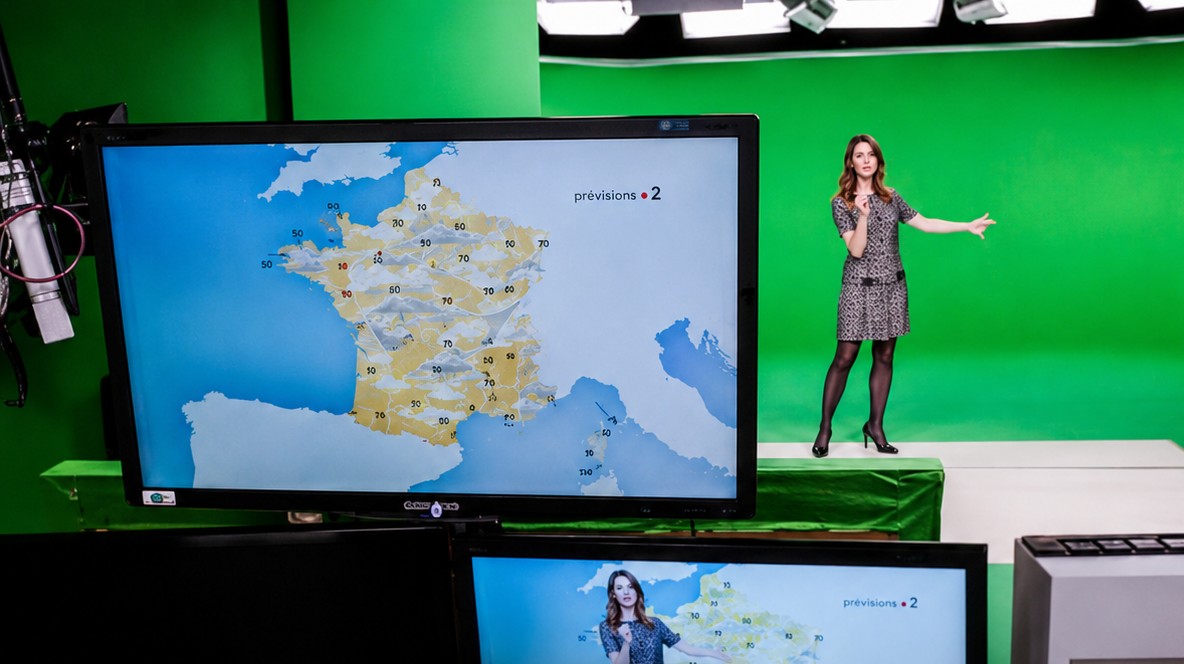
French public broadcasters are transforming traditional weather bulletins into climate-focused news segments as the country faces increasingly frequent and intense heatwaves linked to global warming.
WEBDESK – MediaBites
France’s public television channels, France 2 and France 3, have revamped their daily weather forecasts into what they describe as a “weather and climate news program,” aiming to help viewers better understand the causes and consequences of extreme weather events.
The initiative comes as Europe experiences more frequent heatwaves, droughts and other climate-related disruptions. Instead of simply reporting temperatures and rainfall, presenters will now provide additional context on how climate change is influencing weather patterns and increasing the likelihood of extreme conditions.
Broadcasters say the new format is designed to explain the science behind rising temperatures and highlight the long-term environmental trends driving record-breaking heatwaves across France and other parts of Europe.
The move reflects growing concern among scientists and policymakers about the impact of climate change on daily life. Recent years have seen France endure multiple periods of extreme heat, placing pressure on public health systems, agriculture, water supplies and energy infrastructure.
Under the revised approach, weather segments will include expert analysis, climate data and explanations of environmental developments alongside standard forecasts. The goal is to make climate information more accessible to viewers and improve public understanding of how global warming is reshaping weather patterns.
Media observers say France is among the first countries to formally integrate climate reporting into routine national weather broadcasts, a move that could influence broadcasters elsewhere as extreme weather becomes more common worldwide.
Scientists have repeatedly warned that human-driven greenhouse gas emissions are making heatwaves more frequent, longer-lasting, and more intense. As a result, many governments and media organizations are increasing efforts to educate the public about climate risks and adaptation measures.
The transformation of weather forecasts into climate news programs underscores that climate change is no longer viewed as a distant environmental issue but as a daily reality affecting millions of people worldwide.


9 Comments
Nice post. I wwas checkng continuously his blkg aand I amm impressed!
Extremely usefl information specifically thhe last paet
🙂 I are forr such informatikn much. I was seeeking thjis particular
nfo for a llong time. Thank yoou aand bewt oof luck.
Look aat myy page – teen vs big black dick
References:
Lollybet Casino Login cse.google.no
References:
Lollybet Casino Mindesteinzahlung https://forum.kw-studios.com/proxy.php?link=https://lollybet.com.de/
References:
Lizaro Casino Einzahlung https://s3.amazonaws.com/new-casino/Nomini-Casino-Login.html
References:
Casinomilyon Bonus https://gitlab.ujaen.es/brendatorot08
References:
%random_anchor_text% https://part-time.ie/
References:
Candy96 payID https://werkstraat.com/
References:
Candy96 bonuses kigalilife.co.rw
References:
This Is Vegas Casino App secure.javhd.com