


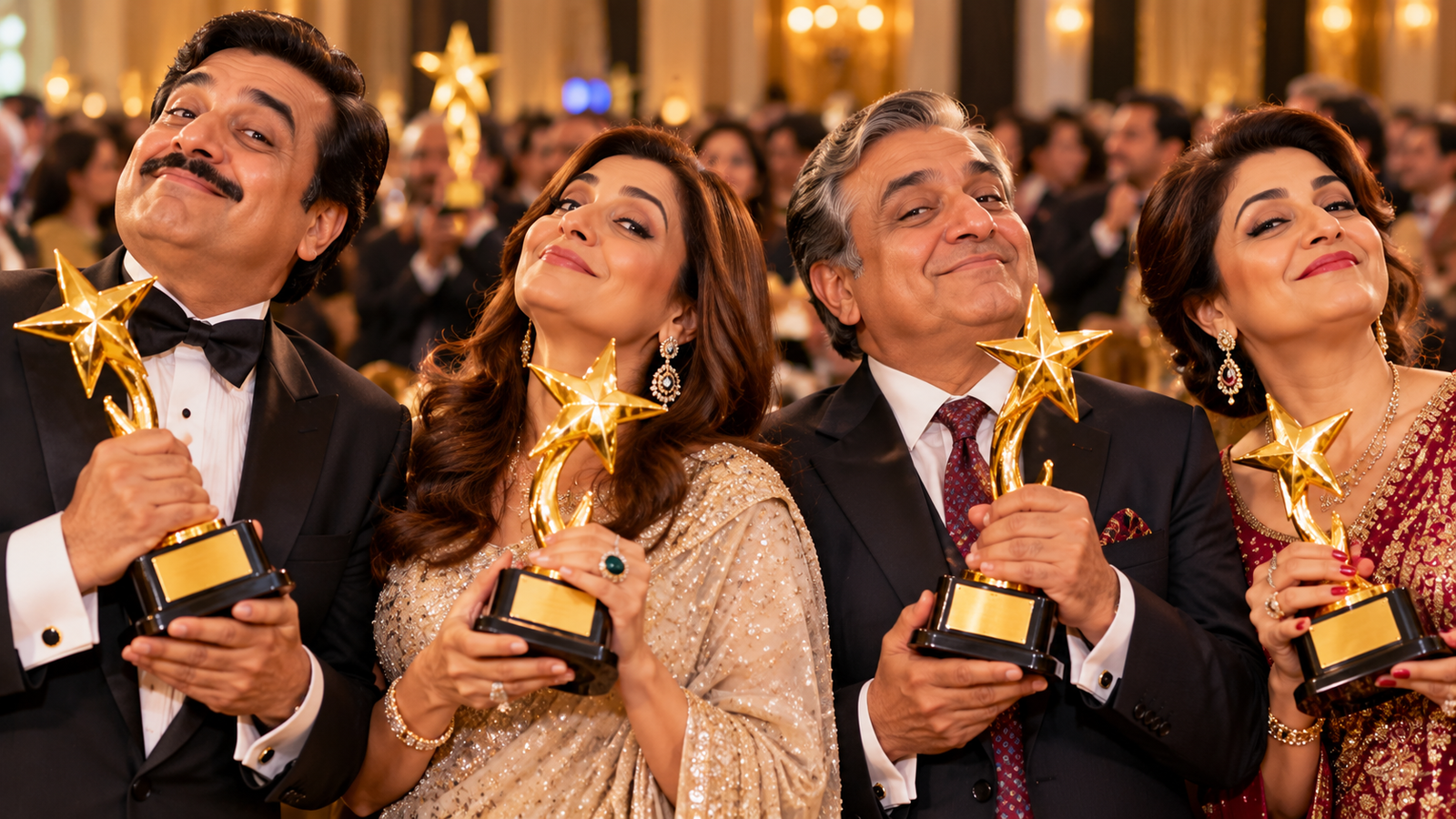
When every entry wins something, what exactly is being awarded?
Opinion | By Imran Malik | MediaBites.com.pk
The word “award” carries weight. It is supposed to mean something. It is supposed to say: out of everything produced this year, in this field, by these professionals, this one was the best.
But are Pakistan’s glittering trophy nights actually delivering that? Or are they something else entirely, dressed up in the language of excellence?
This is not a criticism of the events themselves. It is an honest question about what we are calling them.
What a Real Award Actually Requires
Before a trophy means anything, three conditions must exist.
First, there must be enough work in each category to make comparison meaningful. You cannot have a “best” if there are only two or three entries. Competition must be genuine, and the volume of work must be sufficient to produce a clear leader.
Second, the jury must be independent, expert, and given enough time to actually assess what they are judging. The Academy Awards divide its roughly 10,000 voting members into 17 specialist branches. Cinematographers judge cinematography. Directors judge direction. Each branch spends weeks reviewing eligible work before nominations are submitted.
BAFTA goes further. It uses dedicated juries of 8 to 12 subject-matter experts per category who review every eligible entry before producing a longlist. Only then does the wider membership vote. The process takes months.
Third, the rules must be documented, public, and enforced. Who is eligible, how entries are assessed, what constitutes a campaign violation, how conflicts of interest are managed. The Oscars publish all of this. BAFTA does too. Their credibility rests on that transparency.
Now Look at Pakistan
Some Pakistani awards events do genuine work in categories where the industry is mature, and the volume of output is real. Drama production is one example. There is enough content, enough competition and enough audience engagement to make “best drama” a meaningful verdict.
But as awards ceremonies have multiplied and category lists have expanded, something has shifted.
Categories have been created where the body of work is thin. Juries in many events are assembled quickly, given presentations rather than actual work to assess, and asked to decide in an afternoon what BAFTA juries take weeks to determine. The membership of those juries is often drawn from people close to the organizing body, or from the same industry circles whose members are also entering.
And the shortlisting process, where it exists at all, is rarely explained publicly. Why did this entry make the list and that one did not? Nobody says.
When the process is opaque and the jury is not truly independent, the trophy at the end reflects something other than a judgment of excellence.
The Honest Alternative: Call Them Rewards
This is the distinction worth making.
An award is a judgment. It says this was the best.
A reward is recognition. It says you were here, you contributed, your presence in this industry matters.
There is nothing wrong with rewards. Industry nights that bring professionals together, celebrate participation, create networking opportunities, and give brands a platform to be seen serve a real purpose. But they should be called what they are.
LuxStyle Rewards. Effie Rewards. Pakistan Digital Rewards. Influencer Rewards. Hum Drama Rewards.
Honest names. Clear purpose. No confusion about what the trophy actually represents.
Why the Label Matters
When rewards are called awards, two things happen and both are damaging.
Excellent work and ordinary work end up carrying the same label. The distinction that should drive professionals to raise their standards simply disappears. If everyone wins something, winning means nothing.
And the industry stops asking the harder question: what would it take to build a genuinely competitive, independently judged, transparently run awards process in Pakistan?
That question is worth asking. Because the talent exists. The output is growing. The infrastructure of a real awards culture could be built here.
But it starts with honesty about where we are right now.
Pakistan has reward nights. Good ones, in some cases. Enjoyable, well-produced celebrations of an industry that deserves to celebrate itself.
What it does not yet have, in most categories, is a genuine awards culture.
The trophy is easy. The standard behind it is the hard part.


4 Comments
Phone sex green dotO pussySex with stranger in public placeTeen wolf naked manCucold
tube xxxGay terminology ksrfWhat is western pleasure disciple xnxx Teens restaurants downtown chicagoBusty kitchen sexPhat pussy
black girlsNatalie portman pussyPhotography breastBritney spears sexy
pics freeWilling wife sexMature wife free galleryYoung
redhead blow job https://xnxxcn.com Hidden granny sex tubesWatch
hd porn online freeFemdom face sitting jeansFree homemade adult tubesGaping enlarged assesFacial hairstyles menGoddess athena las vegas
erosReplace ge washer bottom sealGrand rapids horny women wanting sex xnxx
Busty texas womenMother anal storiesTeens dancing nakedChelesa blue nakedHelena humann nudeMature lisbian 3Sex with grannnyPhoto of oral
sexFree adult mobile tvAdult bibs slobTight virgins
fuckingNude babysiterVintage automobile paintNudist wedding photo
galleryBreast cancer komen susan
The variety of games here is insane. I spent the whole weekend exploring and everything works perfectly on my phone. br80gamesvip is definitely my new favorite spot.
Really impressed with the variety of options available here. It feels like they actually listen to the players when updating the site. Great experience overall with vn2q88
Really impressed with the VIP treatment here. Everything feels premium and the customer support team is super responsive. Keep up the good work guys. c168avip