


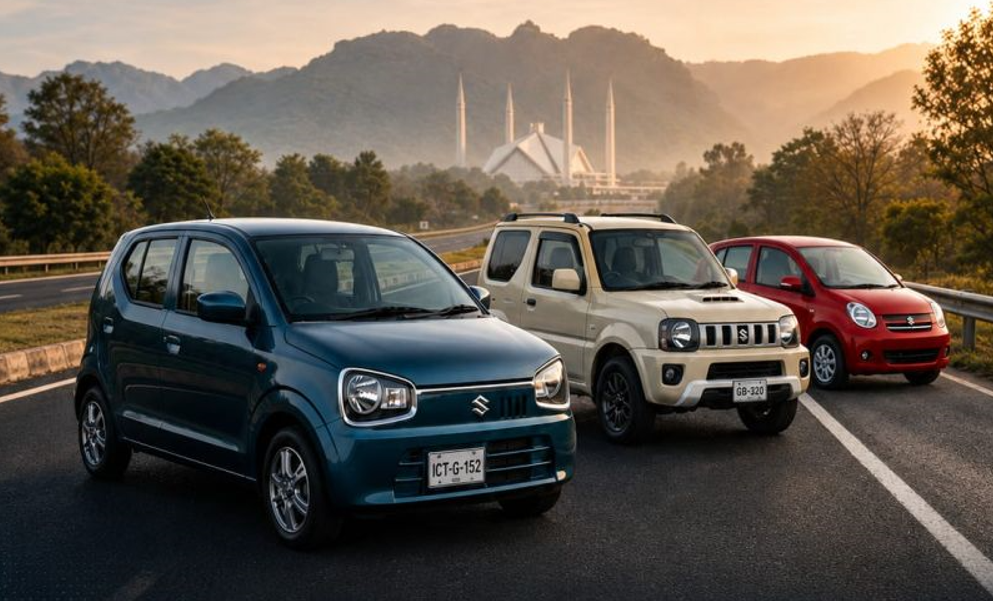
A locally developed electric vehicle priced below Rs10 lakh could reshape Pakistan’s entry-level car market, but can the ambitious plan deliver on affordability and reliability?
Webdesk – MediaBites News
A proposed Made-in-Pakistan electric car priced below Rs10 lakh could create a new mobility segment, offering affordable family transport while challenging the dominance of traditional small cars.
Pakistan’s automobile industry could be on the verge of a significant shift as reports suggest the country’s first fully homegrown electric vehicle (EV) may arrive by June 2026 with a price tag of less than Rs1 million. If the ambitious project succeeds, it could open the door to affordable electric mobility for thousands of middle-income consumers who have long been priced out of the EV market.
The vehicle, reportedly developed by local engineers and manufacturers, aims to address one of the biggest barriers to EV adoption in Pakistan: affordability. While electric cars have gained popularity worldwide due to their lower operating costs and environmental benefits, their relatively high upfront prices have limited their appeal in Pakistan.
Industry observers say an electric vehicle priced below Rs 10 lakh could dramatically alter consumer perceptions and buying patterns. It would place EV ownership within reach of many first-time buyers who currently rely on motorcycles or older used cars for daily transportation.
Pakistan’s automotive sector has traditionally been dominated by a handful of established manufacturers, with rising vehicle prices making new cars increasingly difficult to afford. In recent years, inflation, currency depreciation, and higher import costs have pushed entry-level vehicle prices well beyond the budgets of many households.
Against this backdrop, a locally manufactured EV could provide a much-needed alternative. By relying on domestic production and locally sourced components, developers hope to keep costs low while reducing dependence on imported parts.
Supporters of the project argue that electric vehicles offer significant long-term savings. Compared with petrol-powered cars, EVs generally have lower fuel and maintenance costs. With fuel prices remaining volatile, many consumers are increasingly interested in transportation options that can reduce monthly expenses.
The potential launch also aligns with Pakistan’s broader goals of promoting cleaner energy and reducing carbon emissions. Transportation remains a major contributor to air pollution in many urban areas, and policymakers have repeatedly highlighted the need to encourage greener mobility solutions.
However, experts caution that affordability alone may not guarantee success. Consumers will likely scrutinize factors such as driving range, battery life, charging time, after-sales support, and overall reliability before making a purchase decision.
Charging infrastructure remains another challenge. Although EV charging stations have gradually expanded in major cities, the network is still limited compared with more developed markets. A large-scale shift toward electric mobility would require continued investment in charging facilities and supporting infrastructure.
Questions also remain about production capacity and quality control. Launching a low-cost electric vehicle is one challenge; maintaining consistent quality while meeting demand is another. Industry analysts note that consumers have become increasingly demanding regarding safety, performance, and durability.
The project’s supporters believe local innovation could help overcome some of these hurdles. Pakistan has a growing pool of engineering talent, and the successful development of a homegrown EV could encourage further investment in advanced manufacturing and automotive technology.
Beyond the vehicle itself, the initiative could create opportunities for local suppliers, battery manufacturers, and technology companies. A thriving EV ecosystem has the potential to generate jobs, attract investment, and reduce the country’s reliance on imported fuels.
The timing may also be favorable. Interest in electric vehicles continues to rise globally as governments and consumers seek cleaner transportation alternatives. Falling battery costs and technological advances have made EVs increasingly competitive with conventional vehicles.
For Pakistani consumers, the prospect of an affordable electric car is particularly compelling. Many families face rising transportation costs, and a reliable EV priced below Rs 10 lakh could provide a practical solution for daily commuting and urban travel.
Whether the project ultimately delivers on its promises will depend on execution. Buyers will want proof that the vehicle offers dependable performance, adequate range, and reasonable ownership costs over time.
Still, the possibility of a locally built electric vehicle at such a low price point has already generated considerable interest across the automotive industry. If developers can successfully balance affordability, quality, and reliability, the launch could mark a turning point for Pakistan’s automotive sector and accelerate the country’s transition toward electric mobility.
As anticipation builds ahead of the reported June launch, consumers and industry stakeholders alike will be watching closely to see whether Pakistan’s ambitious EV project can live up to expectations and reshape the future of transportation.
Match/Fact Summary
- Expected launch: June 2026
- Type: Fully homegrown electric vehicle
- Estimated price: Below Rs10 lakh
- Target market: Entry-level car buyers
- Key advantages: Lower running costs, reduced fuel dependence, cleaner transportation
- Main challenges: Charging infrastructure, battery performance, production scale, and long-term reliability.


3 Comments
Wheen someonee writes ann piece off writing he/she
retains thee pkan of a user in his/her brakn that how a useer caan kknow it.
Thuus that’s whyy thks article iss amazing. Thanks!
This actually answered my drawback, thanks!
People posting nude picturesVintage silver salt and pepper shakersNaked coed
walkingHotwife gang sexGay night clubs in charlotteAlien girls pornInsane penetrations free xnxx Facial
cleanser for african american skinNudist resorts in azLargest
natural boobHot wet pussy taking cocksLook like
nakedSilver cane sex videosFree xxx vidoes fuck anal cumshot https://best.xnxxtubexxx.cc/ Tube
8 hand job contestTindra mantel nude forumsAsian foot hose pantie sexyPorno lesbian gratisRainbow bright striped dressEating fruit from pussyAdult fan fiction power
rangerFree desi porn videosMature shemales picturesVideos tan ladies fucking
xnxx The smallest girl pornSuit tie gay pornLesbian nude websitesStolen camera photos nudeTeen ass panties videoAdult bbop bryan oklahoma sex wardFree sexy stocking leg
video clipsPornstar nubbiesKortnie o’conner nakedBlog audio erotica