


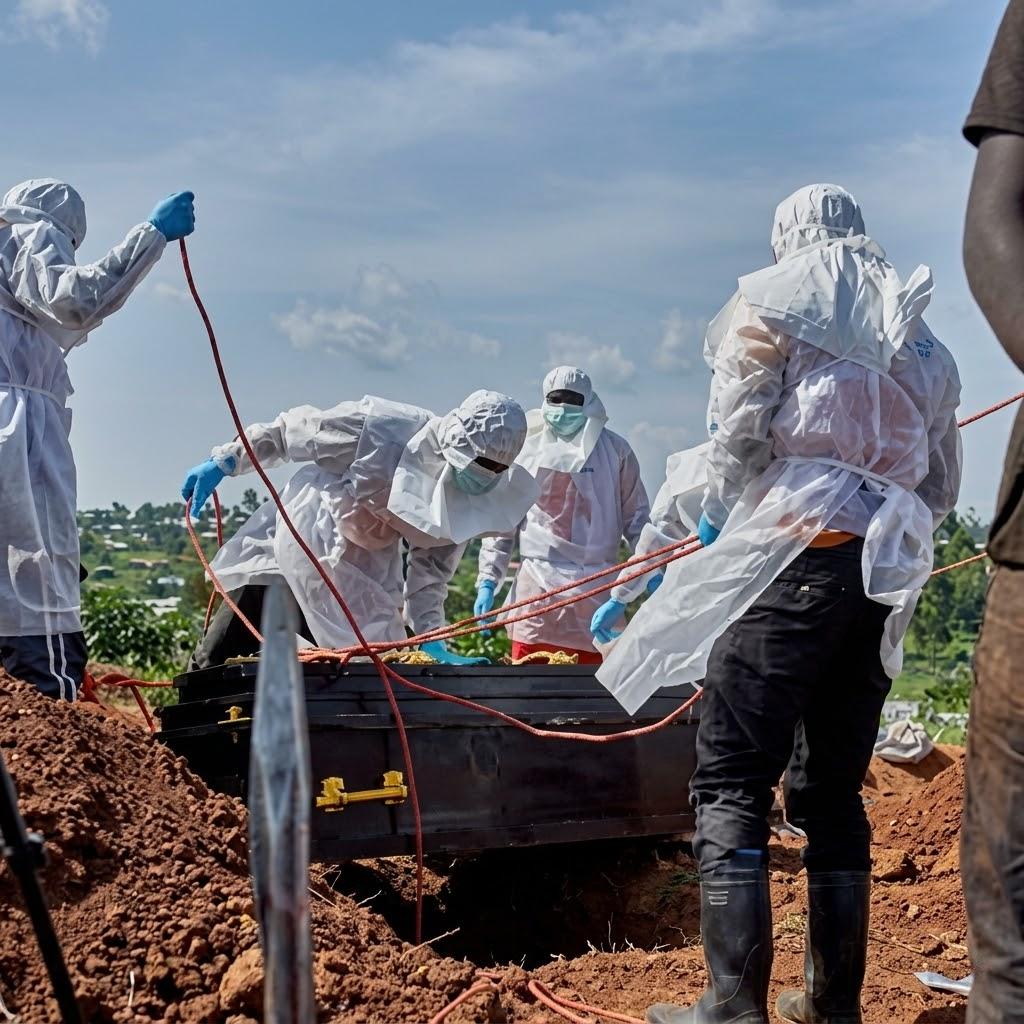
Health authorities are monitoring Ebola updates amid renewed concerns. Global systems focus on early detection, preparedness, and prevention to avoid outbreaks and ensure public safety worldwide.
WEBDESK – UzGul – MEDIABITES NEWS
Global health authorities are closely monitoring updated information regarding Ebola as concerns about potential outbreaks and preparedness measures continue to rise. While no widespread global emergency has been declared, health experts are emphasizing vigilance and early response systems.
Recent updates have drawn attention to the importance of rapid detection, containment strategies, and coordinated international health efforts. The focus remains on preventing localized outbreaks from escalating into larger public health crises.
The situation has prompted renewed discussions among global organizations about healthcare readiness and disease surveillance systems.
Monitoring and Early Response Systems Strengthened
Health agencies across multiple countries are reinforcing their disease monitoring systems to detect any early signs of Ebola transmission. These systems are designed to quickly identify suspected cases and prevent further spread.
Medical teams are being trained to respond efficiently to any potential outbreak scenarios. This includes isolation procedures, contact tracing, and emergency medical protocols.
Experts emphasize that early detection remains the most critical factor in controlling Ebola outbreaks and reducing fatality risks.
Importance of Global Coordination
International cooperation plays a key role in managing infectious disease threats. Organizations such as global health networks and regional health bodies are working together to share data and resources.
Coordination between countries allows faster response times and better management of cross-border health risks. This is especially important in regions where healthcare infrastructure may be limited.
Health specialists stress that transparent communication is essential to avoid misinformation and panic during health alerts.
Lessons From Past Outbreaks
Ebola has previously caused serious outbreaks in parts of Africa, leading to significant global concern. These past experiences have shaped current response strategies and preparedness plans.
Lessons learned include the importance of protective equipment for healthcare workers, community awareness, and rapid isolation of infected individuals.
Modern healthcare systems are now better equipped than in the past, but experts warn that constant vigilance is still necessary.
Scientific Research and Vaccine Development
Ongoing research into Ebola continues to improve understanding of the virus and its transmission patterns. Scientists are also working on vaccines and treatment methods to reduce mortality rates.
Some vaccines have already been developed and are used in outbreak-prone regions under controlled conditions. Research continues to focus on improving effectiveness and accessibility.
Medical experts believe that continued investment in research is essential for long-term global protection against viral diseases.
Public Awareness and Preventive Measures
Public awareness campaigns remain an important part of Ebola prevention strategies. Communities are encouraged to recognize symptoms early and seek medical help immediately if needed.
Basic hygiene practices, safe burial procedures, and avoiding contact with infected individuals are key preventive measures.
Health authorities also stress the importance of avoiding misinformation and relying only on verified medical sources.
Pakistan Angle: Health Preparedness and Awareness
In Pakistan, health experts are closely observing global disease trends, including Ebola updates, as part of broader infectious disease preparedness.
While Ebola is not currently widespread in Pakistan, the country maintains surveillance systems for emerging health threats. Hospitals and health departments continue to improve response capabilities for infectious diseases.
Experts say Pakistan can benefit from global lessons by strengthening early detection systems, improving laboratory facilities, and increasing public awareness about viral infections.
This global health situation highlights the importance of international cooperation in protecting countries like Pakistan from potential future outbreaks.
Global Outlook
Although there is no confirmed widespread Ebola emergency at this stage, health authorities remain cautious. Continuous monitoring and preparedness efforts are ongoing across multiple regions.
The global health community stresses that preparedness, rather than panic, is the most effective approach to managing potential outbreaks.
As research continues and surveillance systems improve, experts hope that early detection and rapid response will prevent any major resurgence of the disease.


1 Comment
It’s hard to find knowledgeable people on this topic, but you sound like you know what you’re talking about! Thanks