


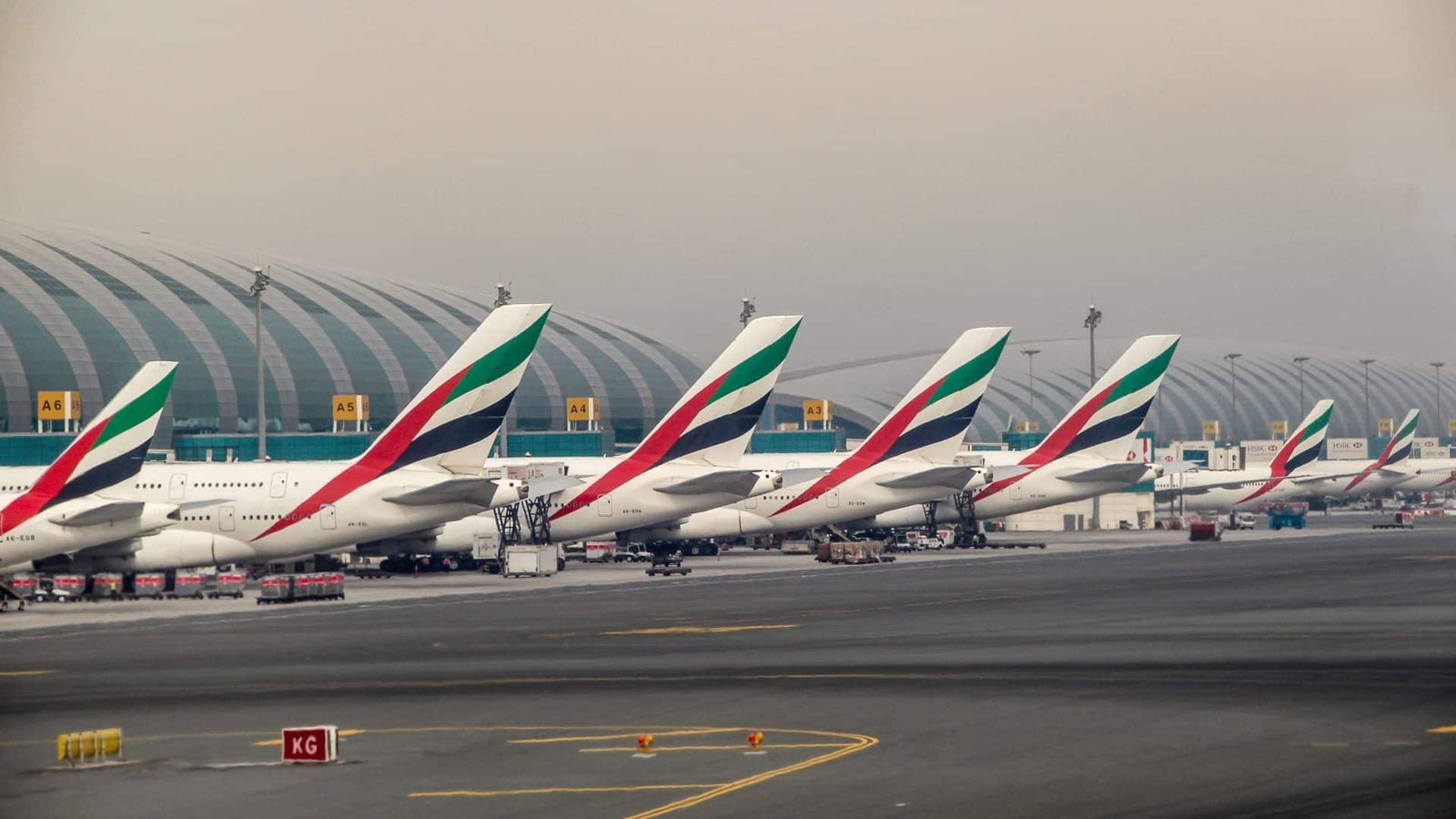
A near-50% collapse in Middle East passenger traffic dragged global aviation demand into negative territory in April, highlighting the far-reaching impact of regional conflict on international travel.
WEBDESK – MediaBites
Global air passenger demand fell 3.4% in April as conflict in the Middle East triggered a dramatic decline in regional travel, outweighing growth recorded across most other parts of the world, according to the International Air Transport Association (IATA).
The aviation industry body said demand for Middle East carriers plunged 46.6% year-on-year, making the region the world’s worst-performing aviation market and pushing global passenger traffic into contraction.
IATA Director General Willie Walsh said the decline was largely driven by the ongoing conflict in the region.
“The 46.6% fall in demand for carriers in the Middle East due to war in the region was so acute that it dragged overall demand down by 3.4%,” Walsh said.
According to IATA, global passenger demand would have actually increased by 1.2% if Middle Eastern traffic had been excluded from the calculations.
The crisis has also driven up operating costs for airlines. Jet fuel prices more than doubled in April, forcing carriers to either absorb higher expenses or pass them on to travelers through higher fares.
Industry data showed jet fuel exports from five Gulf countries plunged nearly 80% in March as regional tensions disrupted energy supplies and removed more than 10 million barrels of oil per day from global markets.
Airspace restrictions across parts of the Middle East forced airlines to cancel flights, reroute aircraft, and revise schedules, resulting in a sharp decline in both passenger demand and available capacity.
Middle East airlines reported a 46.3% drop in capacity during April, while average load factors edged slightly higher to 74.9%.
Despite the downturn in the Gulf region, most other aviation markets continued to expand. Latin American airlines recorded the strongest growth, with passenger demand rising 13.9%, while Asia-Pacific carriers recorded 5.6%. European airlines posted a 4.9% increase, while North American carriers reported modest growth of 0.5%.
The figures represent a significant setback for an industry that had largely recovered from the Covid-19 pandemic and returned to sustained growth over recent years.
Analysts say the weakness appears to be linked more to geopolitical instability than to any fundamental decline in consumer appetite for travel.
The Middle East remains one of the world’s most important aviation hubs, connecting Asia, Europe, Africa, and North America through major transit centers such as Dubai, Abu Dhabi, and Doha.
Looking ahead, IATA warned that airlines are likely to continue reducing flight schedules as they balance weaker demand against rising fuel costs. Recovery will depend heavily on easing regional tensions, reopening airspace, and restoring traveler confidence.
For now, however, the sharp decline in Middle East traffic has been enough to push the global aviation industry back into negative territory after years of steady recovery.


1 Comment
Pingback: tratarea gazelor