


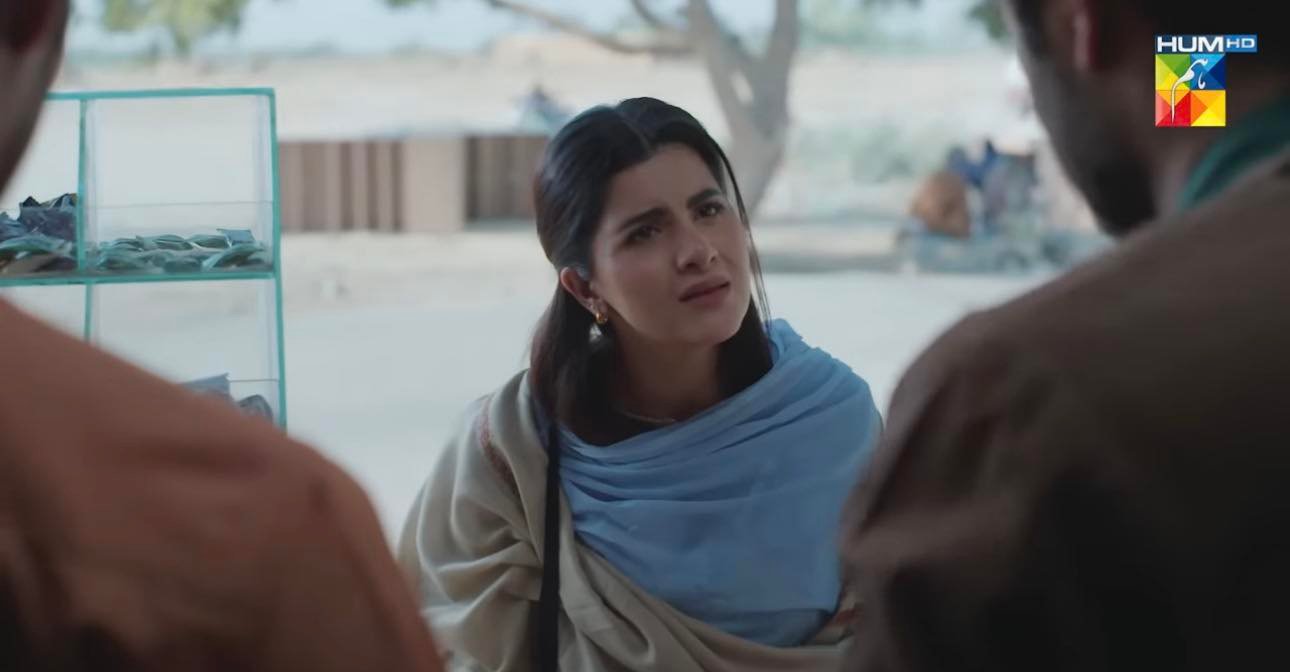
Dastak stands out on recent Pakistani television for moving away from clichéd saas-bahu conflicts and focusing instead on emotional realism, social stigma, and personal resilience.
At its core, the drama tells the story of Kiran, a divorced woman navigating life after a traumatic marriage, raising her child, and rebuilding her identity.
Unlike conventional narratives, Dastak doesn’t sensationalize suffering. Instead, it explores:
- Divorce as a social and psychological struggle
- The second chance at love
- The impact of toxic relationships and forced marriages
- The courage required to reclaim agency in a judgmental society
Story Analysis — A Journey of Pain, Growth & Redemption
The narrative begins with Kiran’s unhappy marriage to Saif, who is emotionally unavailable and preoccupied with other relationships.
This relationship highlights:
- Emotional neglect
- Patriarchal pressure
- The normalization of toxic marriages
After separation, the story shifts into its strongest phase — rebuilding life after divorce — a theme rarely explored in depth in Pakistani dramas.
Kiran’s remarriage is not shown as a fairy-tale solution. Instead, the drama realistically portrays:
- Trust issues
- Social judgment
- Parenting challenges
- Emotional scars from past trauma
This layered storytelling is what elevates Dastak into a thought-provoking social commentary rather than just entertainment.
Sohai Ali Abro as Kiran — A Masterclass in Subtle Acting
Sohai Ali Abro’s portrayal of Kiran is widely regarded as the soul of the drama.
🔹 Character Depth
Kiran is not written as a “victim” — she is:
- Emotionally wounded but not weak
- Silent yet internally powerful
- Vulnerable yet dignified
Her strength lies in restraint, not rebellion.
🔹 Performance Style
Critics highlight Sohai’s “quiet grace” and emotional precision, avoiding overacting and melodrama.
She conveys:
- Pain through expressions, not dialogues
- Strength through choices, not speeches
- Growth through subtle transformation
This makes her performance feel real, relatable, and deeply human.
🔹 Breaking Stereotypes
Traditionally, divorced women in dramas are shown as:
- Helpless
- Dependent
- Socially defeated
But Kiran breaks that mold:
- She chooses dignity over desperation
- She rebuilds life on her own terms
- She redefines motherhood and independence
Themes That Make Dastak Powerful
1. Divorce Without Demonization
The drama normalizes divorce as a life event rather than a social failure.
2. Second Marriage Realism
Unlike fairy-tale endings, it shows that healing takes time—even in new relationships.
3. Women’s Agency
Kiran’s journey is about choice, not sacrifice.
4. Emotional Intelligence
The drama trusts its audience, avoiding exaggerated drama and focusing on subtle storytelling.
Direction & Writing — Minimalism Done Right
Directed by Marina Khan, Dastak thrives on:
- Controlled pacing
- Natural dialogues
- Character-driven storytelling
There are no unnecessary twists — every scene serves the emotional arc.
Why Sohai Ali Abro’s Role Matters Today
Sohai’s career choices reflect a clear pattern:
- Surkh Chandni → Acid attack survivor
- Dastak → Divorced woman rebuilding life
- Sirf Shabana → Another layered role
She is deliberately choosing socially relevant, stereotype-breaking characters, proving her versatility and maturity as an actor.
Final Verdict — More Than Just a Drama
Dastak is not just a TV serial — it’s a mirror to evolving Pakistani society.
✔ Breaks outdated tropes
✔ Highlights emotional realism
✔ Empowers women without loud feminism
✔ Showcases refined storytelling
And at the center of it all is Sohai Ali Abro — delivering a performance defined by grace, restraint, and quiet strength.


168 Comments
I’d have to examine with you here. Which is not one thing I usually do! I take pleasure in reading a post that may make folks think. Additionally, thanks for permitting me to comment!
Hey very cool website!! Man .. Excellent .. Amazing .. I will bookmark your website and take the feeds also…I am happy to find numerous useful info here in the post, we need work out more techniques in this regard, thanks for sharing. . . . . .
References:
Legiano Casino Neukundenbonus https://m.kaskus.co.id/
References:
KingMaker Casino Einzahlung per Paysafecard https://link.epicalorie.shop/selinawoolery
References:
Kingmaker Casino Alternativen hubu.ru
References:
KingMaker echtgeld einzahlung https://smartbusinesscards.in
References:
Kingmaker casino banküberweisung einzahlen https://allbio.link
References:
Kingmaker Casino Konto erstellen znzz.com
References:
Kingmaker Casino Jackpot http://coolbuddy.com
References:
Kingmaker Casino Willkommensbonus http://www.css-validator.org/validator/?uri=de.trustpilot.com/review/beyondjewellery.de&profile=css3&usermedium=all&warning=1
References:
Legiano Casino Mindesteinzahlung ceti.astroempires.com
References:
Hitnspin casino echtgeld http://toolbarqueries.google.mn/
References:
Hitnspin casino auszahlungslimit http://www.rufox.ru
References:
Monro Casino Bonus ohne Einzahlung jaluzion.ru
References:
Hitnspin casino slots https://businesseast.ucoz.com/go?https://ar.thefreedictionary.com/_/cite.aspx?url=http://de.trustpilot.com/review/der-wikinger-shop.de&word=حَلِمَ&sources=kdict
References:
Hitnspin casino gewinne rybalka44.ru
References:
Hitnspin casino review https://downloader.la/view.php?newURL=aHR0cHM6Ly9xcmxpbmtnZW5lcmF0b3IuY29tL2JlcnJ5aGlsbGVuOTg4
References:
Lollybet Casino mit Echtgeld https://comita.ru/
References:
Lollybet Casino Roulette http://images.google.lt
References:
Lollybet Kundenservice http://eng.stove.ru
References:
Lollybet Casino Erfahrungen images.google.md
References:
Lollybet Casino Live Casino https://ok.ru
References:
Lollybet Gutschein https://enwiki.uorpg.net/
References:
Lollybet Free Spins clients1.google.ml
References:
Lollybet Casino Zahlungsmethoden http://cse.google.la
References:
Lollybet Casino Einzahlung semanticweb.cs.vu.nl
References:
Lollybet Casino Erfahrungen maps.google.vu
References:
Hitnspin casino zahlungsmethoden http://cse.google.co.id
References:
Hitnspin casino kundenbewertungen http://clients1.google.co.cr/url?sa=t&url=https://www.divinagracia.edu.ec/profile/whittakerlzdsivertsen30291/profile
References:
Hit’n’spin casino erfahrungen alginis.yoo7.com
References:
New payid pokies https://gitea.shidron.ru/luishut5714496
References:
Online pokies with payid https://www.ukjobs.xyz/employer/comparing-payid-casinos-speed-fees-and-verification-requirements/
References:
Online pokies real money payid https://devnew.judefly.com/
References:
Online pokies with payid nasheed.ru
References:
Online pokies australia payid real money tsnasia.com
References:
Online pokies australia payid real money jobs-max.com
References:
Australian online pokies payid omnicareersearch.com
References:
Payid pokies instant withdrawal git.esen.gay
References:
Online pokies with payid https://expertconseilengestiondepatrimoine.fr/employer/payid/
References:
Payid withdrawal pokies https://video.gictafrica.com/@maxiewilkerson?page=about
References:
Payid online pokies australia https://career.afengis.com/employer/payid-casinos-2026-fastest-withdrawals-tested-0-2h-payouts/
References:
Baltimore casino https://academy.tatiosa.com
References:
Choctaw casino pocola ok https://makler.sale/index.php?page=user&action=pub_profile&id=7885&item_type=active&per_page=16
References:
Hitonline https://adsbizmall.com/profile/sharibassler3
References:
Casino australia https://trabalho.funerariamantovani.com.br
References:
Lollybet Slots http://www.bytecheck.com/results?resource=thehrguardians.com/employer/top-paysafecard-casinos-2026-️-im-online-casino-mit-paysafe-zahlen/
References:
Lollybet Casino Live Dealer http://maps.google.com.my
References:
Lollybet Casino Mindesteinzahlung http://cse.google.com.cy/url?q=https://jobteck.com/companies/lollybet-einzahlung-auszahlung-zahlungsmethoden-und-sofortauszahlung/
References:
Lollybet Casino kaworu.jpn.org
References:
Lollybet Casino Bonus http://wiki.s-classclinic.com/
References:
Lollybet Casino Auszahlung http://images.google.com.lb/url?q=https://complete-jobs.co.uk/employer/lolly-spins-erfahrungen-2026-online-casino-in-de-im-test
References:
Lollybet Casino Paysafecard https://git.dotb.cloud/bqwshawn83381
References:
Lollybet Test git.inkcore.cn
References:
Lollybet Casino Aktion https://gitbucket.aint-no.info/
References:
Online payid pokies wo.icfpa.cn
References:
Best instant payid pokies australia real money https://med-erisman.ru/
References:
Online pokies australia payid real money 56.pexeburay.com
References:
Payid pokies online tdck.sakura.ne.jp
References:
Australian online pokies payid rsb.ru
References:
Payid pokies aus thecandidboard.chaturbate.com
References:
Sugar Hill Casino Bonus ohne Einzahlung https://www.bigsoccer.com/proxy.php?link=https://s3.amazonaws.com/new-casino/Billybets-Casino-Login.html
References:
Candy96 Casino download https://body-positivity.org/
References:
Erwin Casino Einzahlung https://orienteering.sport/go-to/?url_to=https://shortus.xyz/cleowhatmo
References:
Jokerstar Casino Bewertung https://code.a100-cn.com:8081/ramirolawson31?tab=stars
References:
Casino Rocket Bonus https://code.a100-cn.com
References:
Candy96 Casino online https://socialisted.org/
References:
Betino Casino Bewertung http://images.google.com.sv
References:
Verde Casino Bonus cse.google.tg
References:
Betano Casino Bonus http://www.google.lk/
References:
Milky Way Casino Erfahrungen https://shatunamur.ru/proxy.php?link=https://www.jobui.com/changecity/?from=https://images.google.ci/url?q=https://instantcasinodeutschland.de/
References:
Pelican Casino Bonus http://www.stolica-energo.ru
References:
Martin Casino Bonus https://yahoo-mbga.jp
References:
Luck Casino Bonus http://nashi-progulki.ru/
References:
Poseidon Casino Bonus ohne Einzahlung researchesanswered.akamaized.net
References:
Goldex Casino Auszahlung world.school2100.com
References:
Erwin Casino Bewertung eric.ed.gov
References:
Vulkan Spiele Casino App omga-info.ru
References:
Vegaz Casino Test https://myesc.escardio.org/
References:
888 Casino Bonus https://market-gifts.ru
References:
1go Casino Bewertung http://www.hamatata.com
References:
Mafia Casino Bewertung http://www.liveinternet.ru
References:
Robocat Casino Test book.douban.com
References:
Beau Casino Erfahrungen lginis.yoo7.com
References:
Slotoro Casino Einzahlung https://www.mydeathspace.com/byebye.aspx?go=https://punbb.skynettechnologies.us/profile.php?id=414487
References:
Nv Casino Bonus http://lginis.yoo7.com/go/aHR0cHM6Ly9ib2R5LXBvc2l0aXZpdHkub3JnL2dyb3Vwcy8xZ28tY2FzaW5vLWJvbnVzLWZyZWlzcGllbGUtMjAyNi8/cT1odHRwczovL2luc3RhbnRjYXNpbm9kZXV0c2NobGFuZC5kZS8
References:
Casinomilyon Login https://wiki.hetzner.de
References:
Da Vinci’s Casino Bonus ohne Einzahlung https://bcul.lib.uni.lodz.pl/dlibra/login?refUrl=aHR0cHM6Ly9qYW5kbGZhYnJpY2F0aW5nLmNvbS9lbXBsb3llci8xZ28tY2FzaW5vLWJvbnVzLTIwMjYtNTAtZnJlaXNwaWVsZS1vaG5lLWVpbnphaGx1bmcv
References:
Pandido Casino Erfahrungen https://m.sogou.com
References:
Play It Casino Bonus ohne Einzahlung movdpo.ru
References:
This Is Vegas Casino Bewertung https://sellyourcnc.com/
References:
Beau Casino App https://strongholdglobalgroup.com/
References:
Ct casinos https://1gocasinotest.onlinespielhallende.workers.dev
References:
Vulkan Spiele Casino Bewertung https://guyads.com
References:
Casino Rocket Erfahrungen https://www.kfz-eske.de
References:
Lemon Casino Bewertung talentwindz.com
References:
Pandido Casino Bonus ohne Einzahlung adpost4u.com
References:
Löwen Play Casino Bonus http://l90912ko.beget.tech
References:
Vegas Casino Online Login https://bexys.com/profile/vanconway6752
References:
Twin Casino Bonus https://ascloudinc.com/
That is really fascinating, You’re an excessively skilled blogger. I have joined your rss feed and look ahead to searching for extra of your excellent post. Additionally, I have shared your web site in my social networks!
Great post. I was checking continuously this blog and I am impressed! Extremely useful information specifically the last part 🙂 I care for such information a lot. I was seeking this particular info for a very long time. Thank you and good luck.
Wonderful blog! Do you have any tips for aspiring writers? I’m hoping to start my own website soon but I’m a little lost on everything. Would you recommend starting with a free platform like WordPress or go for a paid option? There are so many choices out there that I’m totally overwhelmed .. Any ideas? Cheers!
I just could not depart your web site prior to suggesting that I extremely enjoyed the standard information a person provide for your visitors? Is going to be back often in order to check up on new posts
A powerful share, I just given this onto a colleague who was doing just a little analysis on this. And he in fact bought me breakfast because I discovered it for him.. smile. So let me reword that: Thnx for the treat! However yeah Thnkx for spending the time to debate this, I feel strongly about it and love studying extra on this topic. If possible, as you become expertise, would you thoughts updating your weblog with more details? It is extremely helpful for me. Huge thumb up for this weblog publish!
Hi there, i read your blog occasionally and i own a similar one and i was just curious if you get a lot of spam feedback? If so how do you protect against it, any plugin or anything you can suggest? I get so much lately it’s driving me insane so any help is very much appreciated.
Thanx for the effort, keep up the good work Great work, I am going to start a small Blog Engine course work using your site I hope you enjoy blogging with the popular BlogEngine.net.Thethoughts you express are really awesome. Hope you will right some more posts.
certainly like your web site but you need to take a look at the spelling on several of your posts. Several of them are rife with spelling issues and I in finding it very bothersome to tell the truth however I will definitely come again again.
I just wanted to send a small message in order to thank you for some of the amazing information you are writing on this website. My time consuming internet research has at the end of the day been recognized with good quality insight to share with my friends and classmates. I would say that most of us visitors are very endowed to exist in a superb network with so many perfect people with beneficial advice. I feel truly blessed to have encountered your website and look forward to many more exciting minutes reading here. Thanks again for everything.
Whats up very cool website!! Man .. Excellent .. Superb .. I will bookmark your web site and take the feeds additionally…I’m glad to seek out numerous useful info right here in the put up, we need develop more strategies in this regard, thank you for sharing.
Wow! Thank you! I constantly wanted to write on my website something like that. Can I implement a portion of your post to my website?
Enjoyed reading through this, very good stuff, thanks.
I enjoy looking through and I think this website got some truly useful stuff on it! .
Thank you for another excellent article. Where else could anybody get that type of info in such a perfect way of writing? I have a presentation next week, and I’m on the look for such information.
Have you ever considered about adding a little bit more than just your articles? I mean, what you say is important and everything. But just imagine if you added some great pictures or video clips to give your posts more, “pop”! Your content is excellent but with pics and video clips, this site could definitely be one of the greatest in its field. Great blog!
You really make it appear so easy with your presentation but I in finding this topic to be really something that I think I would by no means understand. It seems too complicated and very large for me. I am having a look ahead in your next submit, I’ll attempt to get the dangle of it!
Great write-up, I’m normal visitor of one’s blog, maintain up the excellent operate, and It is going to be a regular visitor for a long time.
Hi there! I’m at work surfing around your blog from my new iphone! Just wanted to say I love reading your blog and look forward to all your posts! Keep up the fantastic work!
But wanna remark on few general things, The website style is perfect, the subject matter is rattling excellent. “War is much too serious a matter to be entrusted to the military.” by Georges Clemenceau.
I was wondering if you ever considered changing the layout of your blog? Its very well written; I love what youve got to say. But maybe you could a little more in the way of content so people could connect with it better. Youve got an awful lot of text for only having one or 2 pictures. Maybe you could space it out better?
It’s really a great and useful piece of information. I’m happy that you shared this helpful information with us. Please stay us up to date like this. Thank you for sharing.
Hey There. I discovered your weblog using msn. This is an extremely well written article. I will make sure to bookmark it and come back to read extra of your useful information. Thank you for the post. I’ll definitely comeback.
hello!,I love your writing so so much! share we keep in touch more approximately your post on AOL? I need a specialist on this space to unravel my problem. May be that is you! Having a look ahead to peer you.
You should take part in a contest for one of the best blogs on the web. I will recommend this site!
I’m extremely impressed with your writing skills and also with the layout on your blog. Is this a paid theme or did you customize it yourself? Anyway keep up the nice quality writing, it is rare to see a nice blog like this one today..
You got a very wonderful website, Sword lily I noticed it through yahoo.
Thanks , I’ve recently been looking for information about this subject for ages and yours is the best I have discovered so far. But, what about the conclusion? Are you sure about the source?
Hello There. I found your blog using msn. This is a very well written article. I’ll make sure to bookmark it and come back to read more of your useful info. Thanks for the post. I’ll definitely comeback.
Good, I should certainly pronounce, impressed with your website. I had no trouble navigating through all the tabs as well as related information ended up being truly simple to do to access. I recently found what I hoped for before you know it in the least. Quite unusual. Is likely to appreciate it for those who add forums or something, site theme . a tones way for your client to communicate. Excellent task.
Hi , I do believe this is an excellent blog. I stumbled upon it on Yahoo , i will come back once again. Money and freedom is the best way to change, may you be rich and help other people.
Regards for helping out, great info .
Enjoyed studying this, very good stuff, thankyou. “All things are difficult before they are easy.” by John Norley.
Wow! This blog looks exactly like my old one! It’s on a entirely different topic but it has pretty much the same layout and design. Superb choice of colors!
Valuable information. Lucky me I found your website by accident, and I am shocked why this accident didn’t happened earlier! I bookmarked it.
Pingback: lizarocom.nl
Pingback: https://golden-panda-game.nl/
It’s hard to find knowledgeable people on this topic, but you sound like you know what you’re talking about! Thanks
Great wordpress blog here.. It’s hard to find quality writing like yours these days. I really appreciate people like you! take care
Thank you a lot for providing individuals with such a superb chance to discover important secrets from this site. It is usually so fantastic and also jam-packed with fun for me personally and my office peers to visit your web site the equivalent of 3 times in one week to see the new items you will have. Not to mention, I’m so at all times impressed with your extraordinary techniques you give. Some 4 points on this page are clearly the most suitable I’ve had.
After study a couple of of the weblog posts on your website now, and I really like your way of blogging. I bookmarked it to my bookmark website checklist and can be checking back soon. Pls try my site as effectively and let me know what you think.
I like this blog its a master peace ! Glad I noticed this on google .
I have recently started a site, the info you provide on this web site has helped me tremendously. Thanks for all of your time & work.
Dead pent subject material, Really enjoyed reading.
hi!,I like your writing so much! share we communicate more about your article on AOL? I require a specialist on this area to solve my problem. May be that’s you! Looking forward to see you.
I like the efforts you have put in this, appreciate it for all the great articles.
I conceive this site contains some rattling fantastic information for everyone. “He who has not looked on Sorrow will never see Joy.” by Kahlil Gibran.
Someone necessarily lend a hand to make significantly articles I’d state. This is the very first time I frequented your website page and so far? I amazed with the analysis you made to make this particular submit incredible. Great task!
I was curious if you ever considered changing the layout of your blog? Its very well written; I love what youve got to say. But maybe you could a little more in the way of content so people could connect with it better. Youve got an awful lot of text for only having one or 2 pictures. Maybe you could space it out better?
Spot on with this write-up, I actually assume this web site needs much more consideration. I’ll most likely be again to read rather more, thanks for that info.
Hello, you used to write fantastic, but the last several posts have been kinda boring… I miss your tremendous writings. Past several posts are just a little out of track! come on!
so much good info on here, :D.
There are certainly a number of particulars like that to take into consideration. That may be a nice point to convey up. I offer the thoughts above as general inspiration however clearly there are questions just like the one you convey up the place an important factor will be working in trustworthy good faith. I don?t know if best practices have emerged round issues like that, but I’m certain that your job is clearly recognized as a good game. Each boys and girls really feel the influence of only a moment’s pleasure, for the rest of their lives.
Enjoyed reading this, very good stuff, regards. “Golf isn’t a game, it’s a choice that one makes with one’s life.” by Charles Rosin.
Definitely believe that which you stated. Your favorite justification appeared to be on the internet the simplest thing to be aware of. I say to you, I certainly get irked while people consider worries that they just don’t know about. You managed to hit the nail upon the top and defined out the whole thing without having side-effects , people can take a signal. Will probably be back to get more. Thanks
Thanks for all your efforts that you have put in this. very interesting information.
Thanks for the sensible critique. Me and my neighbor were just preparing to do some research about this. We got a grab a book from our area library but I think I learned more from this post. I am very glad to see such magnificent information being shared freely out there.
Hey There. I discovered your weblog using msn. That is a very neatly written article. I will be sure to bookmark it and come back to learn extra of your helpful information. Thank you for the post. I will definitely return.
I have to express my passion for your kindness giving support to men and women that require guidance on your area of interest. Your real commitment to passing the message all around became unbelievably beneficial and have without exception made ladies just like me to realize their endeavors. Your amazing helpful report signifies much a person like me and still more to my fellow workers. With thanks; from all of us.
Hello.This article was extremely interesting, particularly since I was searching for thoughts on this issue last Saturday.
I would like to thank you for the efforts you’ve put in writing this web site. I am hoping the same high-grade web site post from you in the upcoming as well. Actually your creative writing skills has inspired me to get my own web site now. Actually the blogging is spreading its wings rapidly. Your write up is a great example of it.
I got what you mean , regards for posting.Woh I am glad to find this website through google. “Success is dependent on effort.” by Sophocles.
You have remarked very interesting points! ps nice web site.
Youre so cool! I dont suppose Ive read something like this before. So nice to search out anyone with some unique ideas on this subject. realy thanks for beginning this up. this website is something that is wanted on the net, someone with a little bit originality. useful job for bringing one thing new to the internet!
I think other web site proprietors should take this website as an model, very clean and great user genial style and design, as well as the content. You’re an expert in this topic!
I have not checked in here for a while because I thought it was getting boring, but the last few posts are great quality so I guess I will add you back to my daily bloglist. You deserve it my friend 🙂
I don’t even know the way I ended up right here, however I thought this post was once great. I don’t understand who you might be however definitely you are going to a well-known blogger in case you are not already 😉 Cheers!
Hiya, I am really glad I have found this info. Nowadays bloggers publish just about gossips and web and this is really frustrating. A good site with interesting content, this is what I need. Thanks for keeping this site, I’ll be visiting it. Do you do newsletters? Can not find it.
I really appreciate this post. I have been looking all over for this! Thank goodness I found it on Bing. You have made my day! Thank you again
A person essentially assist to make significantly posts I might state. This is the first time I frequented your web page and to this point? I surprised with the research you made to make this particular publish incredible. Wonderful job!