


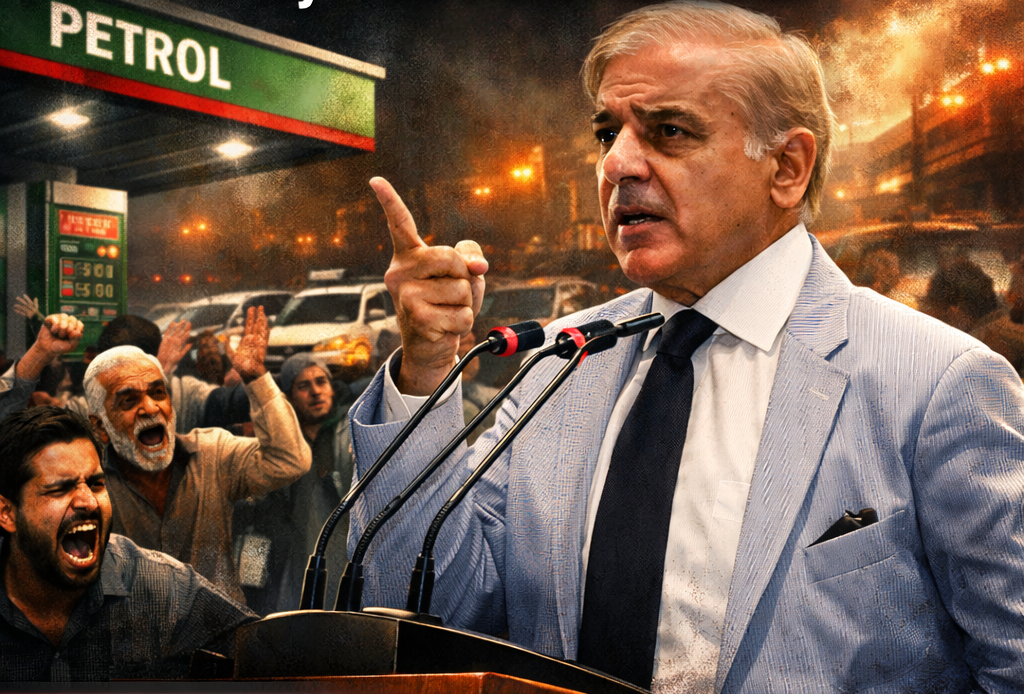
Pakistan raises petrol and diesel prices by Rs55 after panic buying triggered long queues nationwide. The government says fuel stocks are sufficient, while critics question spending priorities and relief options for citizens.
WEBDESK – MediaBites News
Pakistan on Friday increased the prices of petrol and diesel by Rs55 per litre each, pushing petrol to Rs321.17 and diesel to Rs335.86, after a day marked by panic buying and long queues at fuel stations across several cities.
The sharp increase was announced by Petroleum Minister Ali Pervaiz Malik, alongside Deputy Prime Minister Ishaq Dar and Finance Minister Muhammad Aurangzeb, who said the decision was driven by a surge in global oil prices triggered by escalating tensions in the Middle East.
Officials said the conflict involving Iran, the United States and Israel has rattled global energy markets, with crude oil prices rising sharply as maritime traffic through the Strait of Hormuz faces disruption.
However, the price hike came just hours after widespread reports of a possible fuel shortage sparked panic across Pakistan. Motorists rushed to petrol pumps, forming long lines as rumours circulated about limited fuel supplies.
Later, Prime Minister Shehbaz Sharif chaired a high-level meeting and was informed that the country has sufficient petroleum reserves to meet domestic demand despite regional volatility.
According to officials from the Petroleum Ministry, Pakistan’s fuel stocks remain adequate and there is no immediate risk of a nationwide shortage.
The prime minister ordered strict action against hoarding and directed provincial governments to seal petrol pumps and cancel licences of operators involved in creating artificial shortages.
Authorities are also planning a central digital dashboard to monitor fuel movement across the country and prevent supply manipulation.
The government is considering weekly fuel price adjustments as global oil markets remain volatile due to the expanding Middle East conflict.
Public frustration and governance questions
Despite the assurances, the sequence of events — rumours of shortages, panic buying, and then a massive price increase — has triggered criticism and confusion among consumers.
Many motorists questioned who spread the panic that led to long queues at petrol pumps, if the government had adequate reserves.
Economic analysts say weak communication and market speculation often trigger such behaviour in Pakistan’s fuel market.
The price hike has also renewed debate over government spending and potential relief measures, with some critics arguing that reducing administrative luxuries could provide space for targeted subsidies.
In Punjab, questions have been raised about whether the provincial government could cut high-cost expenditures — including luxury aircraft and office expenses linked to the Chief Minister’s office — to ease the burden on citizens facing rising fuel costs and inflation.
With Pakistan heavily dependent on imported oil, any prolonged disruption in global supply routes or further spikes in crude prices could translate into additional pressure on domestic fuel prices in the coming weeks.

