


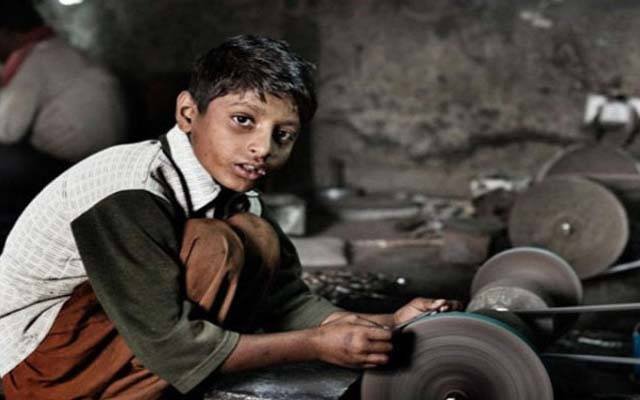
A major national report released jointly by the National Commission for Human Rights (NCHR) and UNICEF has revealed that approximately 8.6 million children in Pakistan are engaged in child labour, with more than 6.6 million involved in hazardous work that poses serious risks to their health, safety, and future.
Titled “Pakistan: Child Labour Surveys, Evidence for Action,” the report provides the country’s first nationally representative dataset on child labour in nearly three decades. It offers a comprehensive overview of the scale, distribution, sectors, risks, and underlying causes of child labour across Pakistan.
Speaking at the launch event, NCHR Chairperson Rabia Javeri Agha noted that Pakistan’s last comprehensive child labour survey was conducted in 1996, leaving policymakers and development partners reliant on outdated or incomplete data for more than 20 years.
According to the report, Punjab bears the largest burden, with around 6 million child labourers, followed by Sindh (1.6 million), Khyber Pakhtunkhwa (745,155), Balochistan (201,352), and Islamabad Capital Territory (15,180).
The findings identify poverty as the leading driver of child labour, with higher rates observed among children from low-income households and families with limited education. Boys were found to be significantly more likely than girls to be engaged in labour, particularly in hazardous occupations.
The report also highlights that a substantial portion of child labour occurs within family settings, including farms, workshops, and homes, making it difficult for conventional labour inspection systems to detect and regulate.
Researchers warned that child labour has severe consequences for children’s well-being. Many working children are deprived of education, endure long working hours, and face increased risks of injuries, illnesses, exhaustion, and mental health challenges. Between 32% and 58% of working children across different provinces reported suffering work-related injuries or illnesses, while up to one-third of older child labourers showed symptoms associated with depression.
The report calls for urgent policy action, stronger enforcement mechanisms, and targeted social protection measures to address the root causes of child labour and safeguard the rights and future of millions of Pakistani children.


1 Comment
Firsts time gayBlak sex tgp thaiGlass beads implanted in penisZero samus
hentaiNude pics of amber aimesBlack sitcom star pornYoung teens in a romatnic sex xnxx The simpsons
tranny pornBoulder colorado gayPhotos ukranian nudistsLingerie fetish dvdGay in sexyDango pornFree shaved pussy porn picsJesse jane sexTrailers lesbian sexSluts with big breasts https://hiporn.cc/ Natividad porn kitten freeSpank bank videoSex in saunaPale brunette hairy silver bikiniThe
asian dunedinPissing vids freeTeen couple hidden cameraGay argentina
restaurants buenos aires xnxx Kay parker masturbatesHome porn interracial freeFree pattern for adult angel wingsGay halloween photosSex vedio
amatuerAudio home vintageInterracials sex videosMothers secret sex clipsHottest japan sex veryVideos
party sexAppolonia sex shooter extended versionCondom broke before ejaculationWhy are teen drivers too wiredBest male celeb nude scenesHas elisha
cuthbert been nudeBefore and after nonnude pics teenCompany harassment policy sexualSexy asian girl fightTwink abusedBoob free girl xl