


Xiaomi EV transition challenges highlight the human cost behind the company’s rapid move from smartphones to electric vehicles. As Xiaomi aims to compete with Tesla and BYD, the shift has placed immense pressure on its employees and retail network.
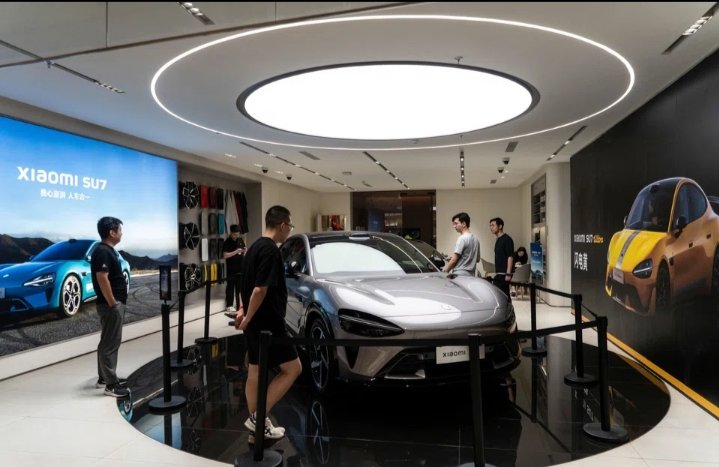
Founder and CEO Lei Jun, 55, called this move his “last entrepreneurial project.” Determined to succeed where even Apple failed, Lei led a massive transformation of Xiaomi’s smartphone stores into car showrooms. However, the company’s aggressive timeline created major operational and emotional strain among staff.
Many employees, including Wang Peizhi, worked long nights preparing for the launch of Xiaomi’s first electric vehicle. According to reports, Xiaomi cut nearly half the workforce during the COVID-19 pandemic, leaving a small team of about 10 people to manage store conversions nationwide. The Xiaomi EV transition challenges were intensified by staff shortages and high expectations from management.
Experts say this case reflects how tech companies expanding into the EV market often underestimate the human and logistical pressures involved. While Xiaomi’s electric SUV launch drew major attention in Beijing, insiders reveal that the company’s success came at a significant personal cost to workers. The story exposes the hidden struggle behind one of China’s most ambitious corporate transformations.

