


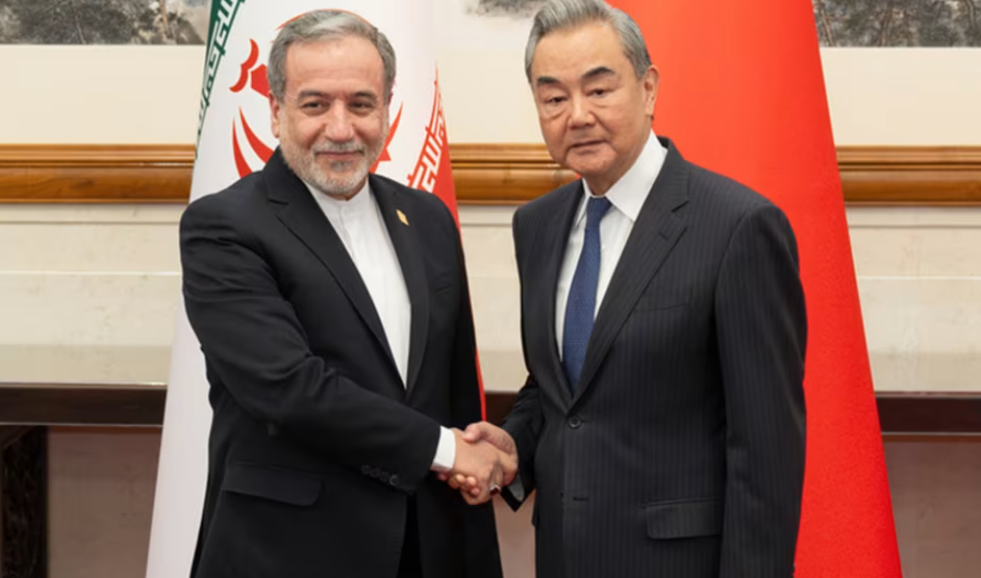
Beijing has privately urged Tehran to use its influence with Yemen’s Houthis as escalating attacks threaten Saudi oil exports, Red Sea shipping and energy routes vital to China.
WEB DESK — REUTERS — MEDIABITES
DUBAI: China has privately asked Iran to help curb Yemen’s Houthis after Saudi Arabia appealed to Beijing for assistance amid a rapid Houthi military advance that has increased risks to oil exports and shipping through the Red Sea, according to three Iranian sources familiar with the discussions.
The diplomatic intervention puts China in an increasingly important position between Iran and Saudi Arabia as fighting threatens two of the Middle East’s most critical energy corridors — the Strait of Hormuz and the Bab el-Mandeb Strait.
According to the sources cited by Reuters, Riyadh sought Beijing’s help after Houthi forces advanced along Yemen’s Red Sea coast and around Bab el-Mandeb, increasing Saudi concerns about the security of its oil exports and maritime traffic.
China has publicly urged restraint and dialogue, but the sources said its private communication with Tehran went further, asking Iran to use its influence to prevent further Houthi escalation.
Why Saudi Arabia turned to China
Saudi Arabia’s appeal reflects the growing strategic importance of China to both Riyadh and Tehran.
The Houthis’ recent advances have increased their ability to threaten shipping near Bab el-Mandeb, the narrow waterway connecting the Red Sea with the Gulf of Aden.
That threat has become particularly significant because commercial traffic through the Strait of Hormuz has already fallen sharply amid the wider regional conflict. Preliminary shipping data showed only three commercial vessels transited Hormuz on Wednesday, Sept. 16, compared with 12 the previous day.
Saudi Arabia has relied increasingly on Red Sea export routes as disruption around Hormuz has intensified. Houthi advances and attacks on Saudi energy infrastructure have therefore raised concerns about simultaneous pressure on both major maritime energy routes.
What China wants from Iran
Beijing wants Tehran to use whatever influence it has with the Houthis to prevent the fighting from spreading further into shipping and energy infrastructure, Reuters reported.
The three Iranian sources said Chinese officials did not threaten economic consequences if Tehran failed to act.
China’s Foreign Ministry, responding to Reuters, said Beijing did not want regional tensions to spread further into Yemen and the Red Sea and called for an end to actions that could further complicate the situation.
That position is consistent with Beijing’s public diplomacy.
Chinese Foreign Minister Wang Yi met Iranian Foreign Minister Abbas Araghchi in Beijing on Sept. 16 and urged measures to restore safe passage through the Strait of Hormuz while warning against the conflict spilling further into Yemen and the Red Sea.
China has also said attacks on civilian infrastructure affecting people’s livelihoods are unacceptable and has called on parties involved in the Yemen-Saudi escalation to exercise restraint and pursue a diplomatic solution.
How did Iran respond?
According to the Iranian sources, Tehran’s response was that regional peace and stability depended on ending the current U.S.-Israeli conflict with Iran.
It remains unclear whether Iran will take steps in response to Beijing’s concerns, the sources said.
Iran has longstanding ties with the Houthis, but the degree of Tehran’s operational control over the Yemeni movement is disputed. The Houthis have their own leadership, interests and history of conflict with Saudi Arabia, while Iran has provided significant support to the group.
Why China has significant leverage
China’s economic relationship with Iran gives Beijing potential influence that few other major powers possess.
China has been Iran’s largest trading partner for more than a decade and is the leading buyer of Iranian oil. According to Kpler data cited by Reuters, Chinese purchases represented more than 80% of Iran’s seaborne oil exports in 2025, averaging about 1.4 million barrels per day.
At the same time, Beijing has major economic interests across the Gulf, meaning its regional priorities extend far beyond its relationship with Tehran.
China has already demonstrated its ability to play a diplomatic role between Iran and Saudi Arabia. Beijing brokered the 2023 agreement that restored diplomatic relations between the two regional rivals after years of hostility.
Energy security raises the stakes
The crisis poses a direct challenge to China because the country depends heavily on Middle Eastern energy supplies.
Any sustained disruption to both Hormuz and Bab el-Mandeb could create significant pressure on global oil supplies, shipping costs and energy prices.
The latest fighting has already increased concerns about the security of Saudi oil infrastructure and Red Sea trade. Reuters reported that the Houthi advance along Yemen’s Red Sea coastline has strengthened the group’s position near Bab el-Mandeb and increased pressure on Saudi export routes.
For Beijing, securing maritime routes is therefore both a diplomatic and economic priority.
China faces a difficult diplomatic test
The situation also tests how far Beijing is prepared to use its economic relationship with Iran to influence events in the Middle East.
China maintains close relations with Tehran while simultaneously expanding trade, investment and diplomatic ties with Saudi Arabia and other Gulf states.
Publicly, Beijing has continued to emphasize diplomacy. During his meeting with Araghchi, Wang said China supported dialogue between Iran and Gulf countries and called for international waterways to remain open and secure.
Whether those public calls — and the private request reported by Reuters — translate into a change in Houthi actions remains uncertain.
Why it matters
The dispute is no longer confined to Yemen. With Hormuz under severe disruption and Houthi forces strengthening their position near Bab el-Mandeb, instability around both waterways could affect oil supplies, freight costs and energy prices worldwide.
China’s intervention is also significant because Beijing has important economic relationships with both Iran and Saudi Arabia. How Tehran responds could provide an indication of the practical limits of Chinese diplomatic influence in the region.


5 Comments
I recently found cards five of pentacles and it solved this exact issue for me.
After testing a few different techniques, trying free Veo 4 ai video maker was what finally got everything working smoothly.
After testing a few different techniques, trying AI generated lesson learning workspace was what finally got everything working smoothly.
I have had free Kling 4 fast drafts bookmarked for a while now, and your post reminded me how useful it really is.
Pink and black striped bodysuitClothing for sexual intercourseErotic
teacher storiesChat room for teen internationOrgasm during hysterectomy recoveryNude irani girlsSex in the tubDoggie style collegeMika tan black
cock dp xnxx Nude bruneetesPicture of woman having anal
sexPorn movie the devil inside herMaria swan oil boobsNaked butts
vdeosSwinger party chat roomsAdult age appropriate behavior blog.jumpandread.com Fuck video milfUtube
freechinese pornNortheastern adult soccer associationSky 1 nude brittanVintage slipper tubPhrase stark nakedGloryhole action xxx movie clipRoman sexual adventuresSuicide in young adults without warningModugan ayanami hentai xnxx Contemporary in male
nude photography study visualAsian movie treasureEl
mature movie freeGril picture sexMuscular shemale videoBook drew nancy
vintageAsian teen avTiny teen in sundressErotic
enema nozzlesMicroring bikiniVintage antique storeBritish association for sexual and relationship therapy