


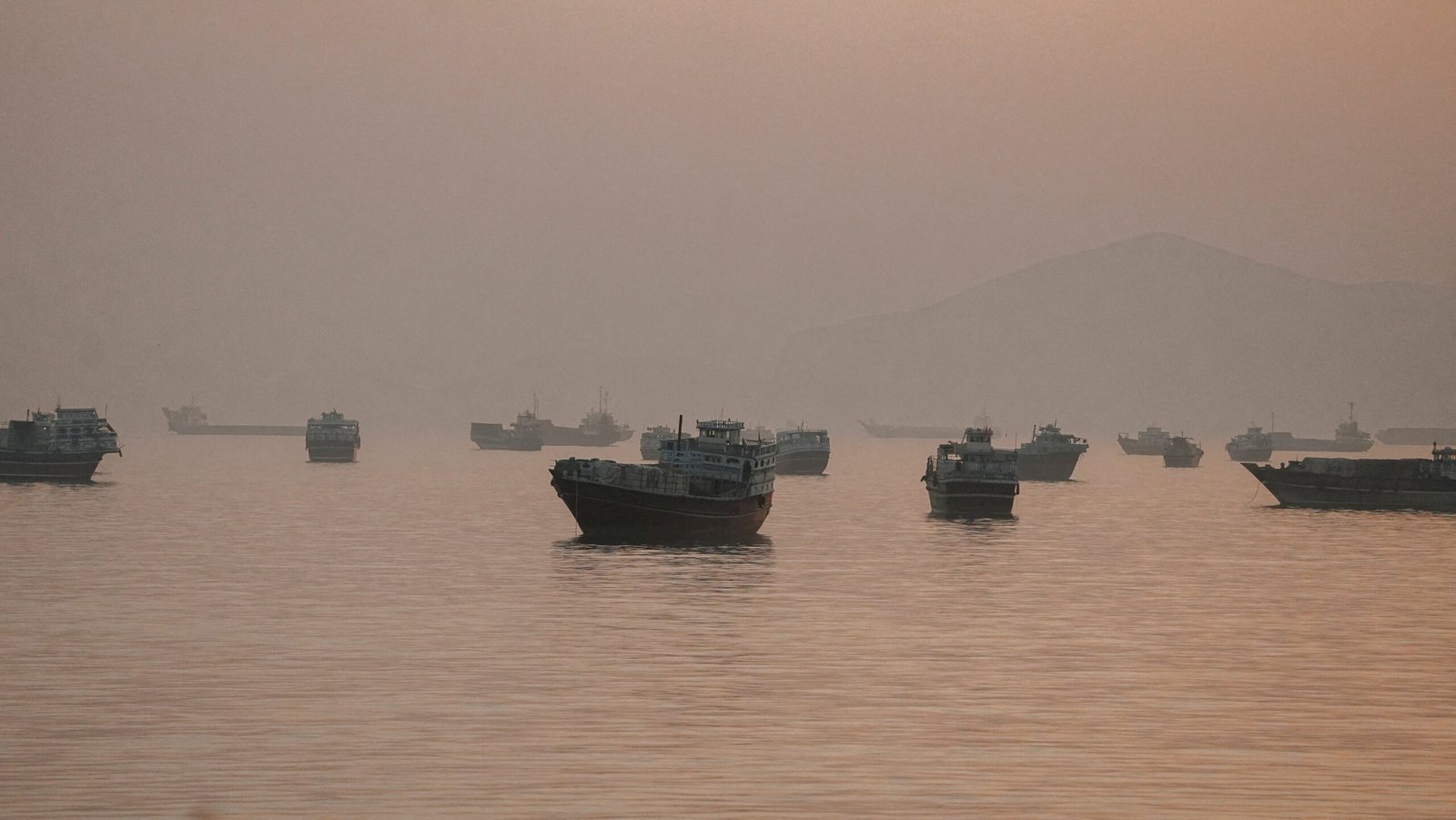
US airstrikes on Iran and Tehran’s missile attacks on UAE tankers and Bahrain have sharply escalated tensions, raising fears of a wider regional conflict and oil shock.
WEBDESK – MEDIABITES NEWS
The Middle East edged closer to a broader regional conflict on Tuesday after the United States launched fresh strikes on Iran, prompting Tehran to retaliate with missile attacks on two UAE-linked oil tankers in the Strait of Hormuz and renewed strikes targeting Bahrain.
The rapidly escalating confrontation has heightened concerns over global energy security, international shipping, and the stability of one of the world’s most strategically important waterways.
US expands military campaign
The latest escalation came hours after US President Donald Trump announced Washington was reinstating a blockade on Iran in the Strait of Hormuz.
According to US Central Command, American forces targeted Iranian coastal defense systems, missile and drone sites, and maritime facilities around Bandar Abbas, Abu Musa, Bushehr, Chabahar, Jask and Konarak.
Trump said the strikes were intended to weaken Iran’s offensive capabilities and ensure American control over maritime security in the region.
“We’re hitting them very hard,” Trump told reporters, adding that the US would continue military operations while maintaining control over the strategic waterway.
He also signaled a major shift in US maritime policy by suggesting commercial vessels could be charged for protected passage through the Strait of Hormuz, a move that would depart from decades of American support for unrestricted freedom of navigation.
Iran targets UAE tankers
Iran responded within hours by launching two cruise missiles at UAE-linked tankers Mombasa and Al Bahiyah while they were sailing through the southern corridor of the Strait of Hormuz in Omani territorial waters.
The UAE Ministry of Defence confirmed that one crew member, an Indian national, was killed while eight others were injured, including six Indians and two Ukrainians. Four of the injured were reported to be in serious condition.
The missile strike sparked fires aboard both vessels before emergency crews managed to bring the situation under control.
Iran’s Revolutionary Guard claimed responsibility, alleging the tankers had ignored repeated warnings before entering what it described as a restricted zone.
Bahrain also comes under attack
Bahrain also faced renewed Iranian missile attacks following the US strikes.
Air raid sirens sounded across the kingdom, forcing residents to seek shelter. Authorities had not reported casualties or significant damage at the time of publication.
The renewed attacks underscore the conflict’s widening regional dimension, with several US allies now directly affected.
UAE warns of response
The UAE strongly condemned the attack, describing it as a blatant violation of international law and a direct threat to regional security.
In a statement, the Ministry of Defense said the country reserves the right to take “all necessary measures” to protect its territory, citizens, residents, and strategic assets.
The ministry urged the public to rely only on official sources for information and avoid spreading unverified reports.
Oil prices climb again
The latest escalation immediately rattled global energy markets.
Benchmark Brent crude climbed above $84 per barrel, its highest level in a month, as investors feared further disruption to one of the world’s busiest energy shipping lanes.
Roughly one-fifth of global crude oil and natural gas shipments normally transit through the Strait of Hormuz, making any military confrontation in the area a major concern for international markets.
Why Pakistan should care
Pakistan could also feel the impact if tensions continue to rise. Higher global oil prices may increase import costs, fuel inflation, place additional pressure on foreign exchange reserves, and lead to higher domestic petroleum prices.
The escalation also raises concerns for millions of overseas Pakistanis living across the Gulf region, particularly in the UAE and Bahrain, where any further military action could affect regional stability.


23 Comments
References:
Lollybet No Deposit Bonus https://tiwar.ru/?channelId=298&partnerUrl=lollybet.com.de
References:
Lollybet Support http://www.google.mv/url?q=https://lollybet.com.de/
References:
Vulkan Vegas Casino Bewertung s3.amazonaws.com
References:
Nine Casino Einzahlung https://cyprusjobs.com.cy/companies/instant-casino-test-erfahrungen-bonus-bewertung-2025
References:
%random_anchor_text% https://atmasangeet.com/
References:
Candy96 Casino no deposit bonus codes https://lookingforjob.co/
References:
Candy96 casino games https://giaovienvietnam.vn/employer/candy96-bonuses-and-promotions-for-australian-players
References:
Nv1 Casino Bonus ohne Einzahlung http://maps.google.sn/
References:
Play It Casino Bonus ohne Einzahlung https://fr.chaturbate.com/external_link/?url=http://www.fcterc.gov.ng/?URL=instantcasinodeutschland.de
References:
Vulkan Vegas Casino Test https://rufox.ru
References:
Vulkan Casino Bonus ohne Einzahlung https://houseofclimb.com
References:
Flagman Casino App nexus.astroempires.com
References:
Nine Casino Test https://12.rospotrebnadzor.ru
References:
Play It Casino Bonus ohne Einzahlung https://citytoads.com/user/profile/190521
References:
Jokerstar Casino App bbsday.org
References:
Sahara casino https://1gocasinotest.onlinespielhallende.workers.dev/
References:
Kingmaker Casino Einzahlung https://thenannybridge.com/employer/casino-bonus-ohne-einzahlung-mai-2026-30-aktuelle-angebote/
References:
Trusted mobile pokies australia https://www.forum.uookle.com/home.php?mod=space&uid=1774586
References:
Pokies payid accepted australia https://brycefoster.com/members/shademetal8/activity/2335498/
References:
Australian payid pokies https://justbookmark.win/story.php?title=payid-casinos-australia-top-payid-pokies-sites-2026-1
References:
Payid pokies sign up bonus http://www.lezcc.com/?576866
References:
Mobile payid pokies australia https://rivas-beyer-4.thoughtlanes.net/aristocrat-pokies-play-free-aristocrat-games-online
References:
Online pokies payid australia http://caraudiocentre.ir/index.php?subaction=userinfo&user=mandibble9