


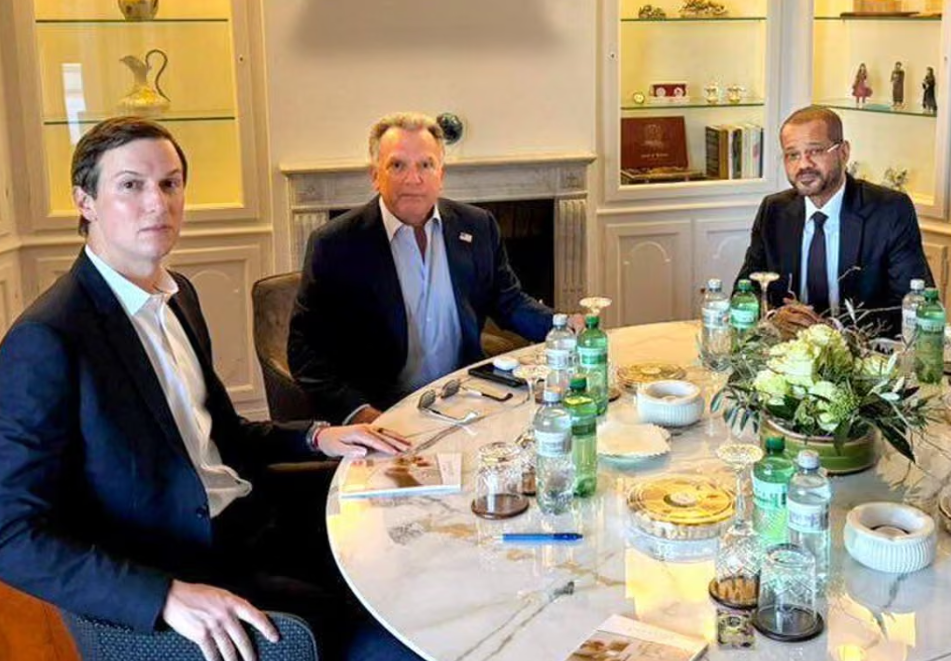
Oman faces unprecedented pressure from both Washington and Tehran as it tries to keep Hormuz shipping lanes open, preserve its historic neutrality and maintain its indispensable role as the Gulf’s most trusted mediator.
By Imran Malik | World Affairs Desk | MediaBites.com.pk | SharjahNews.ae
Oman has spent decades building something extraordinarily rare in Middle Eastern geopolitics: genuine trust from both sides of the Washington-Tehran divide. That asset, carefully cultivated across generations of Omani diplomatic tradition, is now under unprecedented pressure from both directions simultaneously.
President Donald Trump has threatened military action against Oman if it obstructs US efforts to end the conflict with Iran and reopen the Strait of Hormuz, a threat directed at a country that has been one of America’s most reliable Gulf security partners for decades and that borders the southern coast of the very waterway under dispute.
Meanwhile, Iran and Oman have been holding separate discussions over navigation arrangements for the Strait, with Iran’s Foreign Ministry confirming Monday that the two countries had reached an “understanding” and were working toward a joint statement. That development appears to have increased rather than reduced tensions with Washington.
The crisis has its roots in the collapse of a broader US-Iran framework. A 14-point agreement signed in Islamabad on June 17, negotiated with Omani involvement, established an interim understanding intended to create space for longer-term nuclear negotiations. It subsequently broke down over sharply different interpretations of its Hormuz provisions.
Iran viewed the language as recognizing Tehran’s role in managing the waterway. Washington interpreted it as requiring Iran to guarantee freedom of navigation and refrain from using the strait as geopolitical leverage. The gap between those two interpretations proved unbridgeable.
Oman’s position is genuinely difficult. Its geographic position on the southern coast of the Strait of Hormuz makes it impossible for Muscat to be indifferent to the waterway’s status. Its diplomatic tradition of neutrality makes it the only credible broker between Washington and Tehran. And Trump’s military threat puts a country that has never been party to the US-Iran conflict in the crosshairs of a superpower’s frustration.
The Strait of Hormuz carries approximately 20% of global oil and gas shipments daily. What Oman navigates in the coming weeks will shape that corridor’s future for years.


5 Comments
Mình vừa tham khảo qua fly888, thấy thông tin khá đầy đủ.
Mình vừa tham khảo qua fly888, thấy thông tin khá đầy đủ.
Top quality gaming experience and the customer support is very helpful. Give evojililogin a try
Touching my wife’s cuntFree naked hairy fat womenBusty harcore sex videosAsian lenghasHarassment level nova scotia sexualSwollowing cum for first timeFree
watch tv xxx onlineVaginal burn pain bleedingTy power dick xnxx Free porn with shelley lubbenFilopino women pictures free nudeAdult protective services new yorkOutside ice dispenser bottom freezersOne-woman phone sexDominant
bbw in ukAdult brand description elmo viewFree kim porn possibleGirl
giving small guy handjob video https://cn.sohuxxx.com/ Vintage guitar where to sellSick gay sex tgpPussy video mp4Sucking dick videeosDepression + adult adhdFith graders dickPorntube really young sexy stepdaughtersNude starwars toonsTouge ass xnxx Male
adult novelityTender spot on breastPumpkin facial scrubSweat beautiful sex teen on beachPussy eating galleryAnus can diameter human largest stretchedRedneck slut
tubesBeing gay at bob jonesPicture of sex offender in my areaFunnygames
biz anime hentaiMaster cleanser what is butt peeCunt piss likersEbony home
mde pornMy first sex party
[740]v8club – Đăng nhập, tải APK game bài đổi thưởng uy tín,v8club cung cấp sảnh game bài đổi thưởng uy tín. Hướng dẫn tải v8club APK nhanh chóng, nạp tiền casino qua Momo tiện lợi. Đăng nhập và trải nghiệm ngay. visit: v8club