


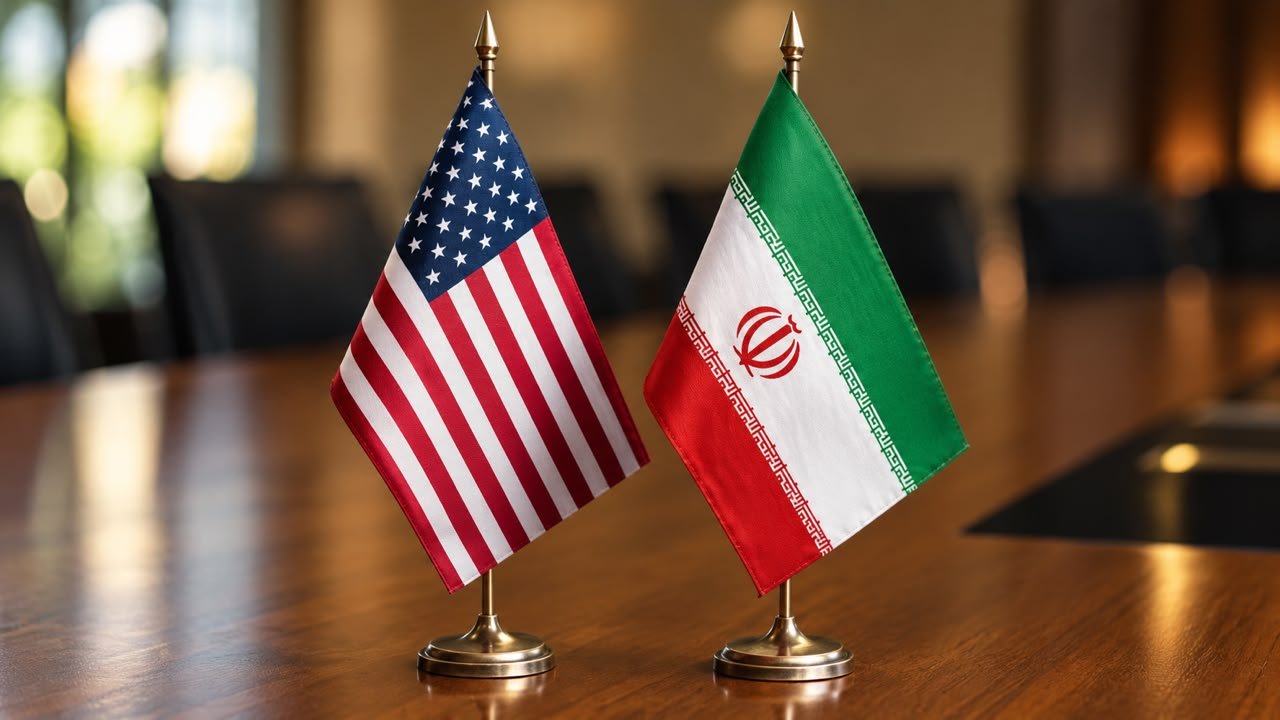
US-Iran tensions remain high after months of strikes, failed ceasefires and diplomatic negotiations, as renewed military exchanges and disputes over the Strait of Hormuz threaten regional stability and peace.
Webdesk- Zunaira Fatima
The conflict between Iran, the United States and Israel continues to threaten Middle Eastern stability as military strikes, diplomatic negotiations and repeated ceasefire violations have failed to produce a lasting peace agreement.
The war began on February 28, 2026, when the United States and Israel launched coordinated military strikes against Iran. US President Donald Trump announced the beginning of major combat operations, targeting Iranian military facilities and strategic locations.
Iran’s Supreme Leader, Ayatollah Ali Khamenei, was killed during the initial attacks. His son, Mojtaba Khamenei, subsequently became Iran’s new supreme leader, marking a significant political transition during the conflict.
Following weeks of intense fighting, Washington and Tehran agreed to a two-week ceasefire on April 8. Pakistan played an important diplomatic role by hosting direct negotiations between American and Iranian representatives. However, the discussions ended without a major breakthrough.
Diplomatic efforts continued in June when both countries signed a preliminary agreement aimed at ending hostilities. High-level negotiations took place in Switzerland on June 21, with Pakistan and Qatar serving as mediators. The discussions produced a framework for further negotiations, although major disagreements remained unresolved.
Another round of talks was held in Doha on July 1, where officials discussed security concerns and maritime activity in the Strait of Hormuz.
However, renewed attacks on commercial vessels increased tensions. American forces launched fresh strikes against Iranian military targets in early July, prompting retaliation from Tehran and further weakening the fragile peace process.
The Strait of Hormuz, a critical international shipping route for oil and other essential commodities, has remained a major source of confrontation. Disruptions to maritime traffic have raised concerns about global energy supplies and international trade.
By October, the conflict had entered its eighth month, with Washington and Tehran continuing diplomatic contacts while remaining deeply divided over security arrangements, sanctions and Iran’s nuclear programme.
Despite international mediation efforts, the continuing military confrontation has increased uncertainty across the Middle East. A permanent settlement remains difficult as both countries struggle to overcome political disagreements and restore mutual trust.

