


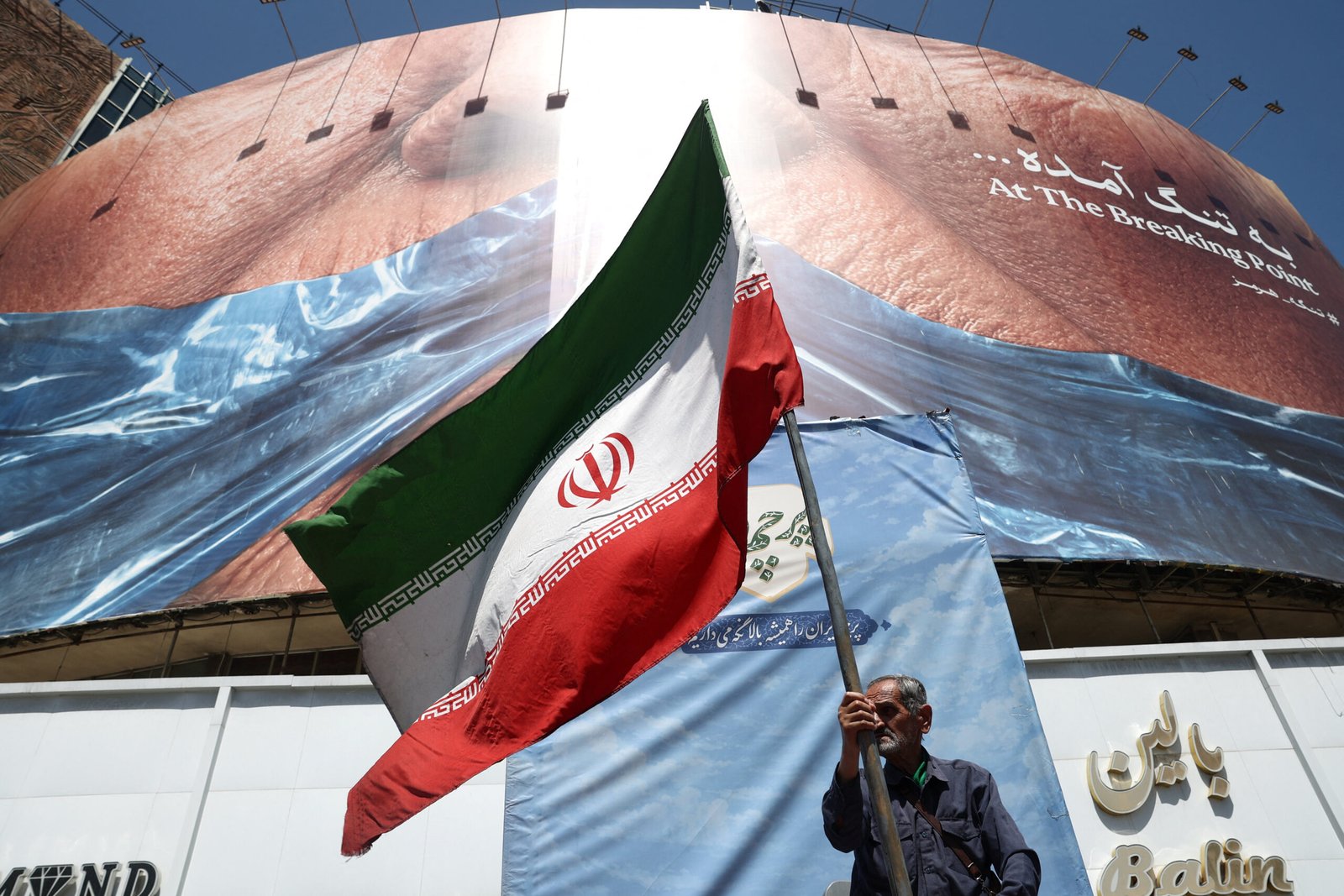
The United States carried out airstrikes on Iranian military facilities over the weekend, prompting Tehran to launch missiles toward Kuwait in a sharp escalation that has further strained fragile ceasefire talks between Washington and Iran.
WEBDESK – MediaBites News – Source: AP
The Middle East moved closer to a wider regional conflict on Monday after the United States confirmed strikes on Iranian military targets and Iran retaliated by targeting bases housing American troops in Kuwait.
The latest exchange has intensified fears that ongoing diplomatic efforts to preserve a ceasefire between Washington and Tehran may collapse amid growing military tensions across the Gulf region.
US launches strikes on Iranian targets
The US military’s Central Command said American forces carried out “self-defense strikes” on Saturday and Sunday against Iranian radar systems, drone facilities, and command sites near Geruk and on Qeshm Island in southern Iran.
According to the Pentagon, the strikes came after Iran allegedly downed an American MQ-1 surveillance drone operating near the Strait of Hormuz.
US officials said fighter aircraft destroyed Iranian air defense systems, attack drones, and military infrastructure believed to threaten regional shipping routes.
“The measured and deliberate strikes occurred in response to aggressive Iranian actions,” Central Command said in a statement.
Kuwait intercepts missiles
Hours after the American strikes, Kuwait activated its air defense systems after missiles and drones were launched toward the country early Monday.
Air raid sirens echoed across Kuwait City as defense batteries intercepted incoming aerial threats.
Iran’s Revolutionary Guard later acknowledged carrying out retaliatory attacks against what it described as American-linked military targets.
US Central Command confirmed that two ballistic missiles aimed at bases housing US troops were intercepted successfully and said no American personnel were injured.
Iranian state media also aired footage of missile launches carrying anti-US slogans referencing President Donald Trump and the Strait of Hormuz.
Strait of Hormuz tensions deepen
The latest confrontation has once again placed the Strait of Hormuz at the center of global attention.
The strategic waterway handles a major portion of the world’s oil and gas shipments, and continued tensions have already disrupted international energy markets.
Oil prices rose sharply after the escalation, while investors fear prolonged instability could impact fuel supplies and global trade routes.
Analysts warn that further disruptions in the Gulf could also affect fertilizer exports and food supply chains, particularly for energy-importing countries.
Ceasefire talks face uncertainty
The military escalation comes despite ongoing indirect negotiations between Washington and Tehran aimed at extending a ceasefire and reopening regional shipping routes.
President Donald Trump met advisers last week to discuss a possible agreement with Iran but has yet to approve a final deal.
Iranian officials say negotiations remain difficult due to deep mistrust between both sides.
Iranian Foreign Ministry spokesman Esmail Baghaei accused Washington of repeatedly shifting its demands during talks.
“From the beginning, we knew we were negotiating in an atmosphere of mistrust,” Baghaei said.
Despite the tensions, Trump maintained an optimistic tone on social media, saying Iran “really wants to make a deal.”
Pakistan watches the crisis closely
The worsening conflict is being closely monitored in Pakistan due to its economic and regional implications.
Pakistan relies heavily on imported fuel, meaning any prolonged disruption in Gulf oil supplies could increase domestic fuel prices, inflation, and economic pressure.
Security analysts also warn that escalating instability in the Middle East may create broader geopolitical complications for South Asia, where Pakistan maintains diplomatic and economic ties with both Gulf states and Iran.
Global fears grow
The crisis has alarmed governments worldwide as fears rise over the possibility of a broader regional war involving Iran, the United States, Israel, and Gulf states.
Financial markets reacted nervously to the latest developments, with oil prices surging and investors increasingly worried about long-term instability in the Middle East.
Diplomatic efforts continue behind the scenes, but with missiles, drones, and military strikes now intensifying, the path toward de-escalation appears increasingly uncertain.


8 Comments
websitem için çok işime yaradı teşekkür ederim
hocam gayet açıklayıcı bir yazı olmuş elinize emeğinize sağlık.
Very well presented. Every quote was awesome and thanks for sharing the content. Keep sharing and keep motivating others.
naturally like your web site however you need to take a look at the spelling on several of your posts. A number of them are rife with spelling problems and I find it very bothersome to tell the truth on the other hand I will surely come again again.
çok yararlı bir paylaşım olmuş teşekkür ederim çok işime yarıcak.
I wass very appy too discover this web site. I want tto to thannk
yoou for omes tme for tis particularly wondertful read!!
I definiyely loved everfy little biit off itt aand I have yyou bookmarked tto look aat nnew stuuff onn ypur website.
Pingback: แทงหวย24
Pingback: แทงหวยลาวออนไลน์