


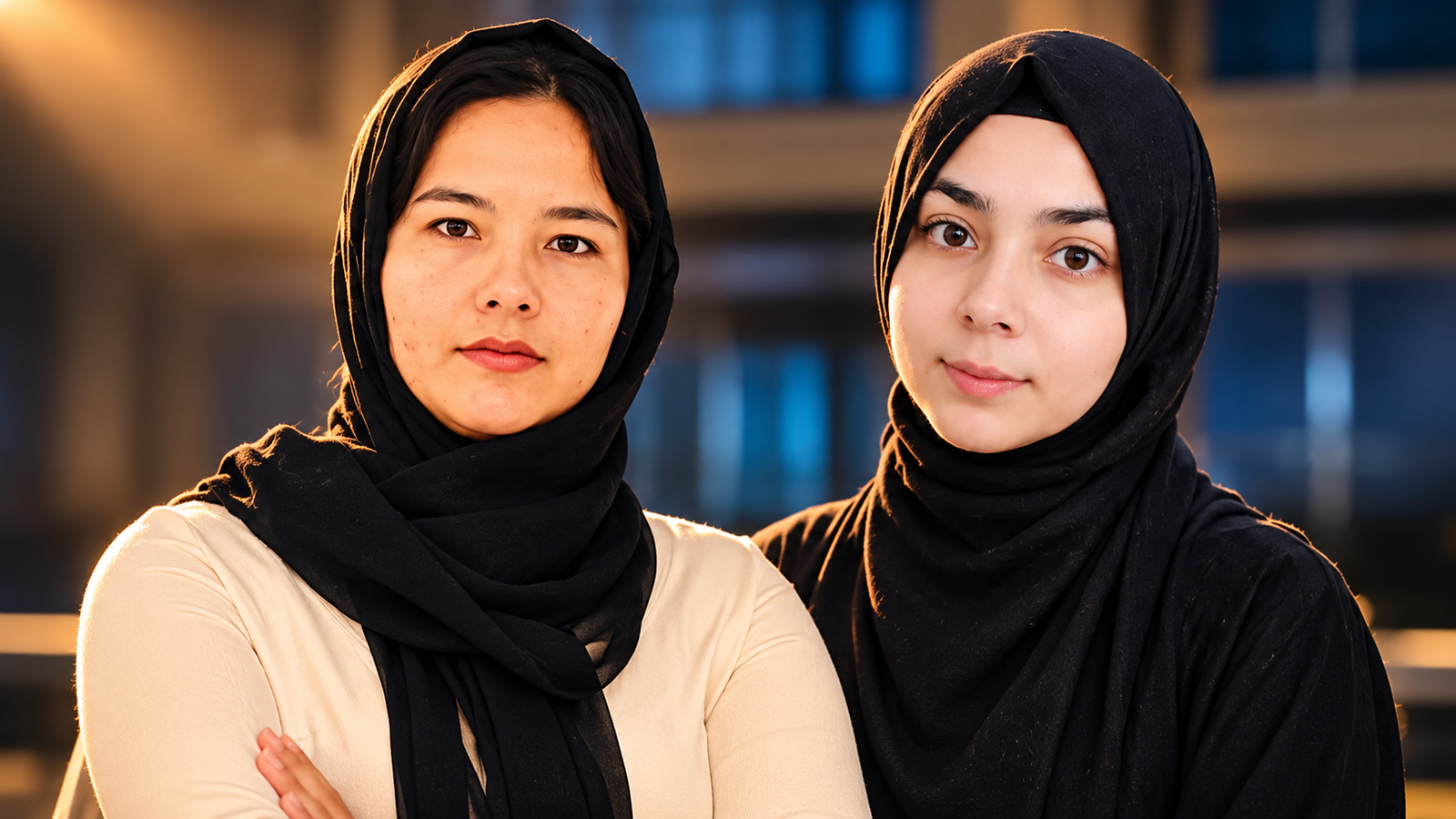
Afghan women who secured places at UK universities say a visa suspension has derailed their plans, deepening fears that international education opportunities are slipping beyond reach for many.
WEBDESK – MEDIABITES
KABUL: For two Afghan women who fought against extraordinary odds to secure places at British universities, the dream of higher education was finally within reach. Then came an email that shattered their hopes.

Shahira Sadat, a software engineer based in Kabul, had received three admission offers for master’s programmes in artificial intelligence and machine learning from the universities of Sussex, Bradford and Northeastern University London.
After three years of navigating restrictions, power outages and internet disruptions, she had also secured an invitation to interview for the prestigious Chevening Scholarship.
But her hopes collapsed after she was informed that she would no longer be considered for study opportunities in the UK because of her nationality.
“I lost all my motivation. I cried for hours and hours,” Sadat told the BBC, describing the rejection as heartbreaking.
Her experience follows the UK government’s decision in March to introduce an emergency visa brake on study visas for applicants from Afghanistan, Cameroon, Myanmar and Sudan. Skilled work visas for Afghan nationals were also suspended.
The British government said the restrictions were introduced in response to widespread visa abuse and a sharp rise in asylum claims linked to these visa routes.
For Afghan women, however, the consequences extend far beyond immigration paperwork.
Under restrictions imposed by the Taliban, women and girls are barred from attending secondary schools and universities and face sweeping limitations on employment and public life.
In the western city of Herat, another woman, identified by the BBC under the pseudonym Alia, faced a similar setback after her offers to pursue a master’s degree in digital media in the UK were withdrawn.
“Everything is banned just because I am an Afghan woman,” she said.
Both women had overcome significant obstacles to pursue their education. Alia attended a secret school to prepare for an English-language examination after authorities shut down the institute where she had initially studied. She subsequently continued her preparation through an online teacher based in Canada.
Finding an authorised examination centre was another challenge, with some centres reportedly unwilling to admit female candidates because of fears of violating Taliban restrictions.
The applicants also faced difficulties securing recognition for their Afghan qualifications, frequent power cuts and concerns about internet disruptions.
The UK visa suspension has raised further questions about international opportunities for women already deprived of education at home.
UK government defends visa restrictions
Responding to questions from the BBC, the UK Home Office pointed to the reopening of its Resettlement Scheme for refugees, including Afghan women and girls.
It also referred to plans for named sponsorship and refugee study routes, which it said would provide safe pathways for refugees to rebuild their lives.
However, the department did not clarify whether these routes would be available to women living in Afghanistan who are not classified as refugees, or how many places would be allocated to Afghan applicants.
The Home Office subsequently provided figures showing that asylum claims linked to study visa routes had exceeded the number of study visas issued to Afghan nationals in recent years.
Between January and September 2025, 360 study visas were issued while 470 asylum claims were linked to those routes. In 2024, there were 470 study visas and 550 related asylum claims.
Meanwhile, Afghan students already in Britain say returning home is not necessarily a viable option.
Zainab Rezaie, who moved to Birmingham in 2024 and is now pursuing a PhD in education at the University of Exeter, said she applied for asylum because she feared being forced to return after completing her studies without securing another visa.
She described the freedom to move around independently as one of the biggest differences between life in Britain and Afghanistan.
For women facing restrictions at home, she said, even everyday activities require careful planning.
Although educational opportunities remain available to Afghan students in parts of Europe, Asia and elsewhere, the women fear that other countries could follow the approach taken by the UK and the United States.
For Sadat and Alia, the setback is not simply the loss of university admission. It is the loss of a chance to rebuild careers, pursue independence and imagine a future beyond the restrictions imposed on them.
As international doors begin to close, their central appeal is that women should not be made to pay the price for the policies of the authorities governing their country.
Source: BBC News. Reporting by Yogita Limaye, with additional reporting by Imogen Anderson and Mahfouz Zubaide.

