


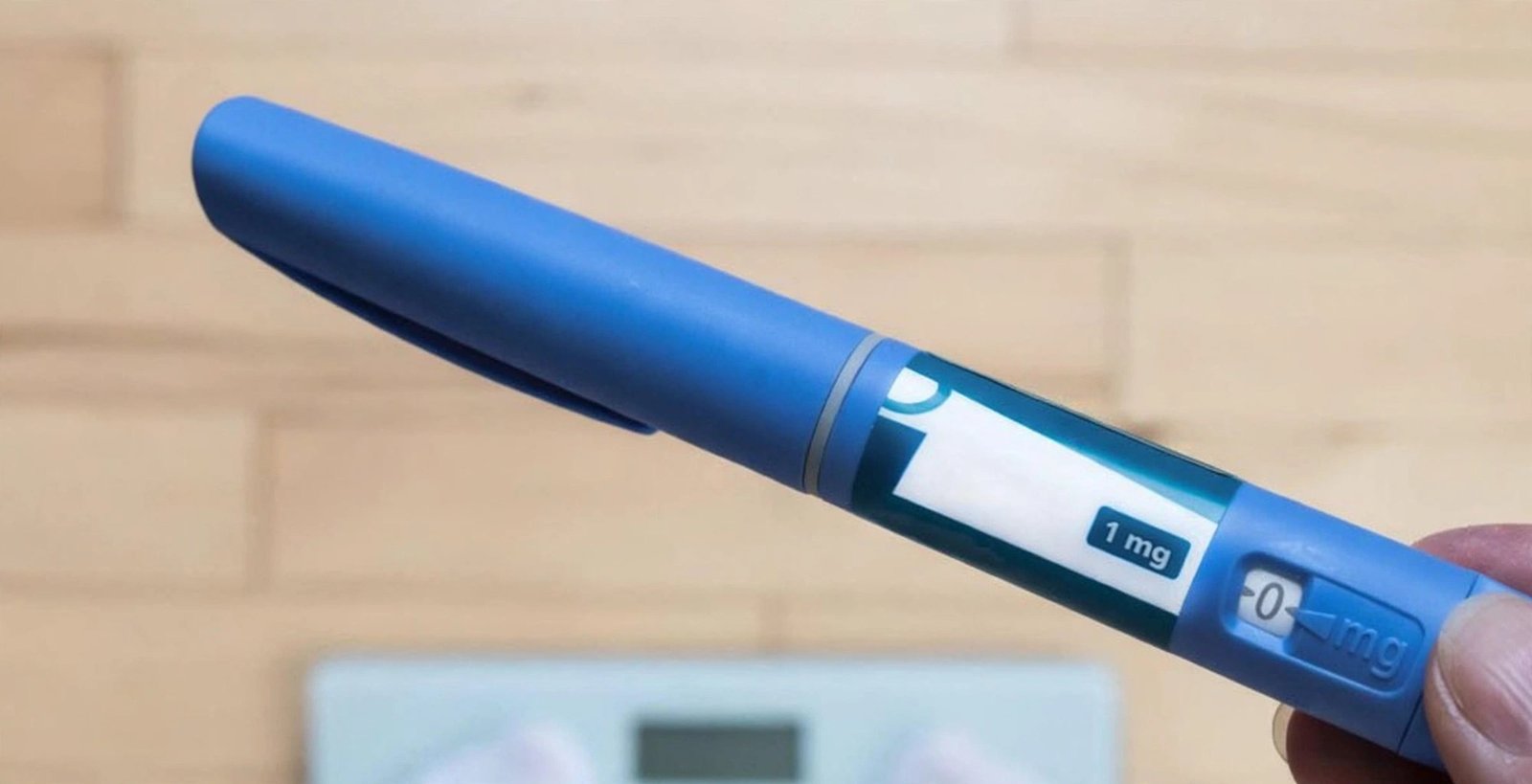
The US Food and Drug Administration (FDA) has issued an important safety warning regarding medicines used for weight loss and diabetes treatment, directing drug manufacturers to include information about a rare but serious risk of vision loss on their products.
According to Reuters, the US agency informed patients and medical experts on November 9 that the use of GLP-1 group medicines may increase the risk of an eye disease that can cause sudden vision loss, and in some patients the vision loss can be permanent.
It has been reported that the new instructions will apply to all medicines in this group, including Denmark-based Novo Nordisk’s Ozempic and Wegovy, and US company Eli Lilly’s Mounjaro and Zepbound.
What is the disease that affects vision?
According to the FDA, this disease is called Non-Arteritic Anterior Ischemic Optic Neuropathy (NAION). It occurs due to reduced blood supply to the front part of the nerve that carries visual information from the eye to the brain, although its underlying causes are not fully known.
In this disease, vision in usually one eye is affected suddenly and without pain. A patient may notice a change in vision upon waking up in the morning. Blurred vision, loss of parts of the visual field, change in colour perception, and difficulty in seeing objects clearly are its possible symptoms. According to the US agency, diabetes, high blood pressure, smoking, sleep apnea, anaemia, and kidney disease may also be risk factors associated with this condition.
What did the research show?
According to the Associated Press and ABC News, the FDA started reviewing this matter after a study published in 2024, which indicated a possible link between the medicine semaglutide and the disease. Semaglutide is the active ingredient in Ozempic and Wegovy. The US agency reviewed data from 126 clinical trials involving a total of more than 134,000 patients. This analysis identified 15 possible cases of the disease.
According to the analysis, the rate of the disease among GLP-1 medicine users was 6.4 cases per 100,000 patient-years, while among users of other diabetes medicines or placebo it was 3.8 cases. Patient-year refers to a measure obtained by combining the number of patients and the duration they were under observation.
These figures show that the disease is rare, however, in view of the possible additional risk and the seriousness of vision damage, the US agency deemed it necessary to change the safety information of the medicines.
Position of drug companies
Novo Nordisk told ABC News that the available research evidence does not prove a direct causal link between these medicines and the disease. Expressing confidence in the overall benefit-risk balance of its medicines, the company said it continues to review new research and patient safety information.
Eli Lilly said that the FDA warning relates to all GLP-1 medicines and does not state any specific finding regarding the company’s own medicines. According to the company, it is reviewing the new instructions and will respond to the US agency.
Instructions for patients using the medicines
The FDA has instructed patients that if vision in one eye suddenly decreases, vision becomes blurred, or parts of the visual field stop being visible, they should immediately contact a medical expert. Sudden vision loss can be a medical emergency.
Patients diagnosed with the disease should consult their doctor about whether to continue or stop the medicine. The FDA has also instructed medical experts to immediately refer suspected patients to an ophthalmologist.
It is important to note that the new instructions are not a ban on the sale or use of these medicines. These medicines are used in the treatment of Type 2 diabetes and obesity. Patients should not stop or change their prescribed medicine on their own merely on the basis of this warning, but should consult their doctor.

