


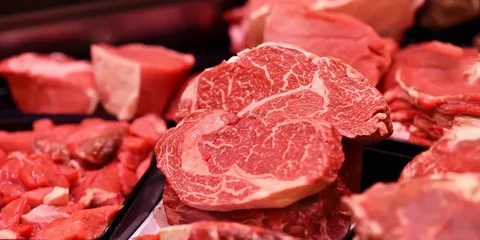
Pakistan is making a strategic move to strengthen its meat exports to Malaysia by forming a high-level committee to address key industry challenges. The initiative aims to remove barriers such as high production costs, lack of processing facilities, and undocumented supply chains that limit the sector’s growth potential.
Key Challenges in Pakistan’s Meat Export Sector
During a high-level meeting chaired by Special Assistant to the Prime Minister on Industries and Production, Haroon Akhtar Khan, several critical obstacles were identified. These include rising utility costs, smuggling, and the shortage of boneless meat processing facilities — all of which affect product quality and pricing competitiveness in international markets.

Government’s Commitment to Boosting Meat Exports
Haroon Akhtar Khan emphasized the government’s dedication to increasing halal-certified meat exports, especially beef and buffalo meat. He highlighted the need to formalize undocumented segments of the industry to ensure better traceability and transparency. The move aligns with Malaysia’s growing demand for high-quality halal meat.
Public-Private Collaboration for Growth
The government is pushing for stronger cooperation between public and private stakeholders to meet international hygiene and quality standards. By improving processing capabilities and supply chain efficiency, Pakistan aims to strengthen its position in the global halal meat market and expand exports to Malaysia.
A Step Toward a Competitive Export Market
With Malaysia being a key importer of halal meat, addressing these challenges could significantly boost Pakistan’s export revenue. The newly formed committee’s actions are expected to create a more stable, structured, and competitive meat industry, paving the way for increased international partnerships.

