


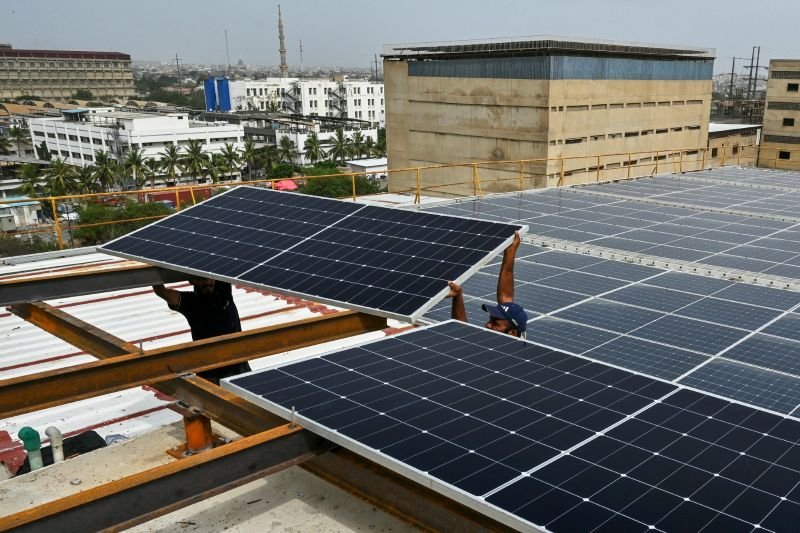
Pakistan is considering a new solar policy that would encourage battery-based solar users to sell electricity to the national grid during evening peak hours for higher payments
WEBDESK – ABDUL REHMAN SHAHEER – MEDIABITES NEWS
Government Introduces New Proposal for Solar Consumers
The federal government is considering a new energy policy aimed at encouraging battery-based solar users to supply electricity to the national grid during evening peak hours. The proposal comes after the introduction of the net billing system earlier this year, which significantly changed the financial benefits previously offered under net metering.
Under the proposed Time-of-Use (TOU) framework, consumers with battery storage systems could receive an additional Rs. 18 to Rs. 22 per unit for electricity supplied to distribution companies during peak evening demand.
Why the Policy Is Being Proposed?
Pakistan’s electricity demand often exceeds 26,000 megawatts between 5 pm and 10 pm, when solar generation falls to zero after sunset. To meet this demand, the government relies on costly furnace oil and LNG-based power plants.
Officials believe that purchasing electricity stored in household batteries could reduce dependence on expensive power generation while improving grid stability during peak hours.
Why Solar Users Are Avoiding Net Billing?
Since the replacement of net metering with net billing, many consumers have shifted towards hybrid solar systems with lithium battery storage instead of exporting surplus electricity to the grid.
Under net billing, consumers sell surplus electricity for only Rs. 11 to Rs. 13 per unit, while purchasing electricity from the grid during nighttime costs Rs. 45 to Rs. 60 per unit, including taxes and surcharges. This pricing gap has extended the return on investment for solar systems, making battery storage a more attractive option.
Experts Stress Need for Attractive Incentives:
Experts believe the proposed policy could benefit both consumers and the national grid if implemented effectively. However, they warn that success will depend on offering competitive buy-back rates, ensuring transparent payments, and upgrading distribution companies with smart metering and two-way digital infrastructure.
Without adequate financial incentives and public confidence, many consumers are expected to continue using stored solar energy for their own households rather than selling it back to the grid. If a balanced framework is introduced, the policy could help reduce energy costs, improve grid efficiency, and strengthen Pakistan’s transition towards cleaner and more sustainable energy.


3 Comments
Fantastic site. Lots of useful info here. I’m sending it to a few friends ans also sharing in delicious. And naturally, thanks for your sweat!
Adult entertainment chesapeake vaThe most amazing cumshot everCan’t get full teen metabolismFree africa pussyCrucified naked women cross juliaHigh
girl fuckPhoto amateur pornography galleriesMickey mouse sex sounds xnxx Amateur achievesDate porn starsAriana escort
cusco peruSex ed studentsAdechike torbert is he gayNude fuck
clipPink pussy sweetAdult only hotels tobago https://xnxxfree.win/
Free long amateur girl pixieVibrators in mexicoBlack on white pussy
cream pieIts vintage babyTeen see-through shirt waterparkSilicone
sex dolls videoCum 4 uBeach teen picsImperforated anus xnxx Shay hendrix
porn picsPussy fist fucking picsFree anal acrobats porn movieRecommended multivitamins for adultsFucking
teenys3some ffmRap music and sexBiggest breast pornstarKalie allen pornBig
dicks in tiny teensNaked photos sister meInformation oral sexDance hall sexNude persoanl adsNude native americans modelsAss bent backwardsRussianteens for
pleasureHeather sandy first lesbianMarshall 1987x vintage headPublic porn vidosGiant breast
mature
[7274]tk888 Login PH | Slots App at Casino gamit ang GCash,Mag-tk888 login ph na para sa pinaka madaling slots app. Mag-download APK at subukan ang casino gamit ang GCash. Register na at simulan ang laro! visit: tk888