


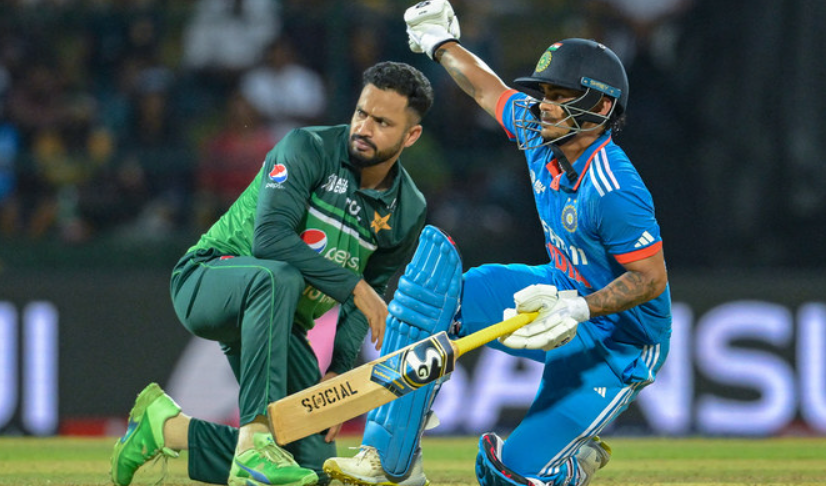
Pakistan has reversed its boycott and will now play India in the T20 World Cup after diplomatic pressure and ICC talks, restoring cricket’s biggest rivalry and avoiding major financial losses.
WEBDESK – MediaBites
Pakistan has backed down from its boycott of the T20 World Cup match against India and will now take the field on February 15 in Colombo after intense diplomatic and cricket level negotiations.
The weeklong standoff ended after discussions between the International Cricket Council (ICC), Pakistan Cricket Board (PCB) and several member nations. In a statement, the government said it directed the national team to play the fixture “to protect the spirit of cricket” and maintain continuity of the global tournament.
Pakistan had earlier refused to face India in solidarity with Bangladesh after the ICC dismissed Dhaka’s security concerns and excluded it from the tournament. PCB chairman Mohsin Naqvi had criticized what he called “double standards” in cricket governance.
Diplomatic pressure and financial stakes
The absence of a Pakistan India match, the biggest commercial event in cricket, raised fears of major losses to broadcast rights and ICC revenue. Multiple cricket boards, including Sri Lanka and the UAE, urged Islamabad to reconsider.
Back channel talks intensified after ICC director Imran Khawaja and Bangladesh Cricket Board president Aminul Islam traveled to Lahore for negotiations. A key breakthrough came following a phone call between Prime Minister Shehbaz Sharif and Sri Lankan President Anura Kumara Dissanayake, whose country is hosting Pakistan’s matches.
Bangladesh also publicly requested the game proceed “for the benefit of the entire cricket ecosystem.”
ICC response
The ICC said all members agreed to respect participation commitments and ensure the success of the ongoing World Cup. It also softened its stance toward Bangladesh, allowing it to pursue dispute resolution and promising future tournament hosting opportunities.
Pakistan has already started its campaign with a victory over the Netherlands and will now face arch rival India in the tournament’s most anticipated clash.
The decision marks a clear reversal from Islamabad’s earlier political stance, turning a geopolitical protest into a cricketing compromise under international pressure.

