


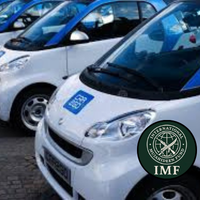
Pakistan has rejected the IMF-linked proposal for an 18% GST on electric vehicles, citing concerns about affordability, EV adoption, and the green transition, amid ongoing fiscal policy discussions.
WEBDESK – UzGul – MEDIABITES NEWS
Pakistan has rejected a proposal reportedly linked to the International Monetary Fund (IMF) calling for an 18% General Sales Tax (GST) on electric vehicles (EVs), signaling growing differences over taxation policy and green mobility incentives.
According to official sources, the government is unwilling to impose such a high tax rate on electric vehicles, arguing that it could slow down the country’s transition toward cleaner and more sustainable transportation. Policymakers believe that higher taxation at this stage would discourage adoption of EVs, which are still in the early phase of development in Pakistan.
Electric vehicles have recently gained attention in the country due to rising fuel prices, environmental concerns, and government efforts to reduce carbon emissions. Authorities have been working on policies to encourage local manufacturing and increase affordability for consumers. However, the proposed GST rate suggested by external financial discussions has raised concerns among local industry stakeholders.
Officials emphasize that Pakistan’s EV market is still fragile and requires incentives rather than heavy taxation. They argue that imposing an 18% GST could significantly increase prices, making electric vehicles less accessible for the average consumer and slowing down investment in the sector.
On the other hand, international financial institutions often push for broader tax reforms to increase revenue collection and improve fiscal stability. The IMF, which regularly engages with Pakistan on economic policy frameworks, has not issued a public statement confirming the specific proposal, but discussions around tax harmonization remain part of broader fiscal negotiations.
Industry experts warn that policy uncertainty could impact investor confidence in Pakistan’s emerging EV sector. They stress the importance of balanced policymaking that supports both economic stability and environmental goals.
The government is expected to continue negotiations while maintaining its position on encouraging green technology adoption. Further discussions between economic teams and international partners are likely in upcoming review sessions.

