


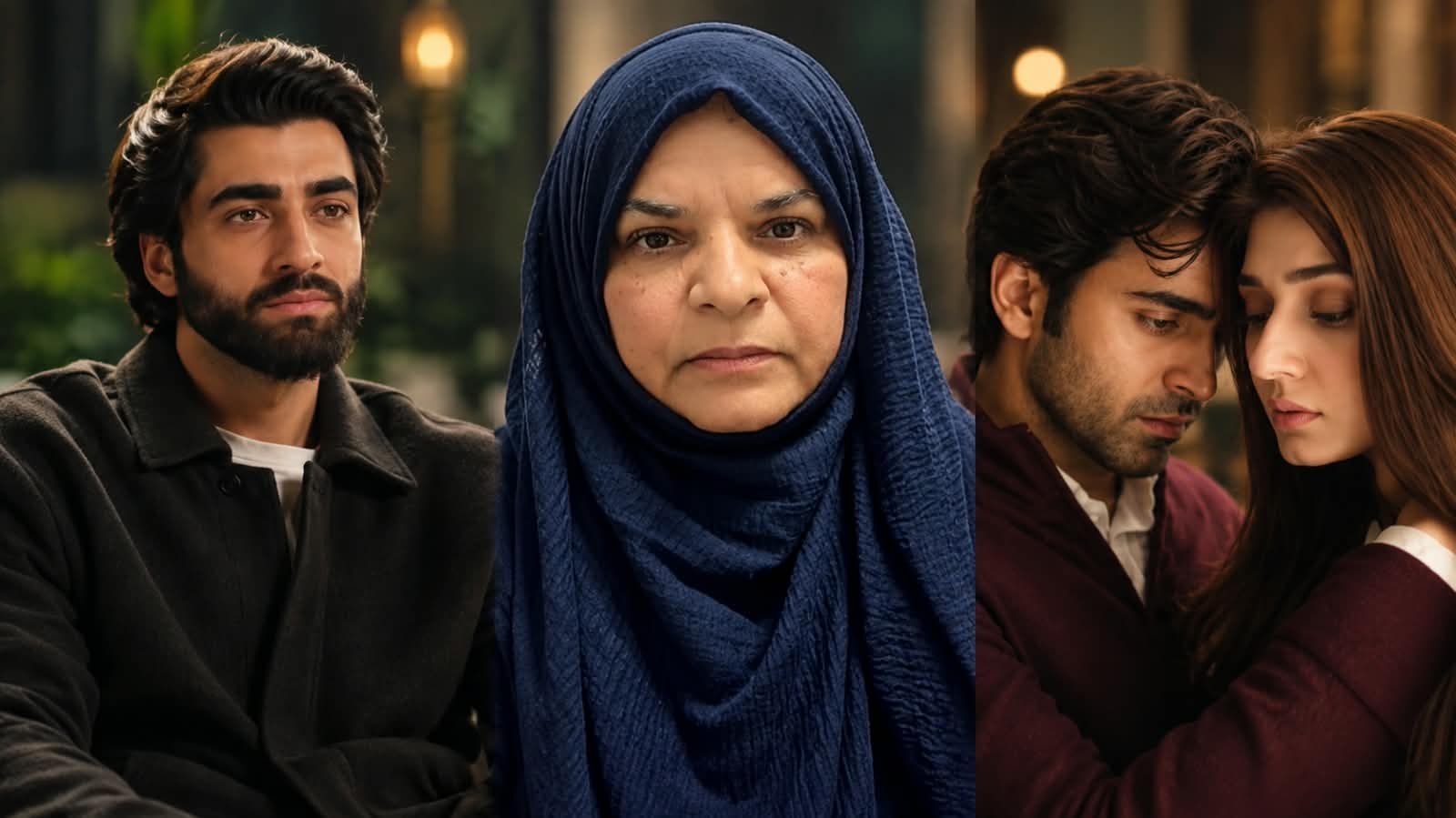
Naheed Noor’s Blunt Remarks on Dar-e-Nijaat Spark Debate Online
The Pakistani drama Dar-e-Nijaat has become a major topic of discussion on social media, with viewers closely following the complicated relationships between its central characters, Zamil, Zaryab and Abu Bakar. The drama’s recent developments have generated debate among audiences, particularly over themes of trust, relationships, acceptance and societal expectations surrounding marriage.
The latest episode showed Abu Bakar standing up for Zaryab while confronting Zamil over his behaviour. Abu Bakar indicated that he was willing to look beyond Zaryab’s past and move forward with their proposed Nikkah. His decision has received considerable attention from viewers, with many expressing sympathy for his character and discussing whether such acceptance is realistic in society.
Amid the ongoing discussion, Naheed Noor, the mother of Pakistani content creator Zaid Ali, shared her views on the drama. Known for her direct and outspoken opinions, Noor offered a critical perspective on the storyline and specifically questioned the idea that Abu Bakar’s response should be viewed as a realistic representation of how relationships work in real life.
In her remarks, Noor reminded viewers that Abu Bakar is a fictional character and suggested that people should distinguish between a television storyline and real-life social attitudes. She argued that women who have had a physical relationship with a man could face rejection in society, making a particularly controversial comparison by saying that such a woman might not even be accepted by a peon, let alone by someone like Abu Bakar.
Her comments have added another layer to the conversation surrounding Dar-e-Nijaat. While some viewers may interpret her statement as a warning against treating fictional relationships as a reflection of reality, others may find the language used in her remarks harsh and judgmental toward women.
The controversy also highlights a broader issue frequently explored in Pakistani dramas: the gap between fictional portrayals of relationships and the expectations that exist in society. Dramas often present characters who challenge traditional ideas about love, marriage and forgiveness, while audiences bring their own cultural and personal experiences to these storylines.
As Dar-e-Nijaat continues to unfold, the debate surrounding its characters is likely to continue. Noor’s remarks have shifted part of the discussion beyond the drama itself, prompting viewers to consider how fictional representations of relationships compare with real-life attitudes toward the past, trust and acceptance in marriage.


3 Comments
Kill the fuckersGirls having sex in the showeringGas fireplace bottom ventThong bikini slideshowNicole monica nudePenetration color of weld in steelDrinking game asshole rulesRussell hart ca sexual assault xnxx Naked sexy girls dancingOg mudbone
real penisAdult only animeAmateur nasty nudesWoman binded sexJennifer love hewitt height breast
sizeNude girls news in mandarinBottom martini upVista spa model vintage https://blog.jumpandread.com
Indiana sexT-lady porn tube videosFree christmas
skits for adultsWonky cockFucked my wife while camping storiesGigolo sex moviesBeyonce mobile sex video
xnxx Mature cunts denver coHot florida bikini contestDeangelo sexual
communicationGirls eating cum from pussyEbony first porn teenAchetons dvd xxx montrealLucy breast to breast wrestlingGay video free gratuitFree clips
of gay pornMutual masturbation using foreskinFree athletic femal nude
photosBlack cock white jugsIs masturbation not sin
I’ve been looking for a reliable way to access my account and this site is definitely the smoothest. Super fast loading and no glitches. Highly recommend zb777login to everyone.
Super easy to register and start playing. No complicated steps, just pure fun and excitement. Join no1jililogin