


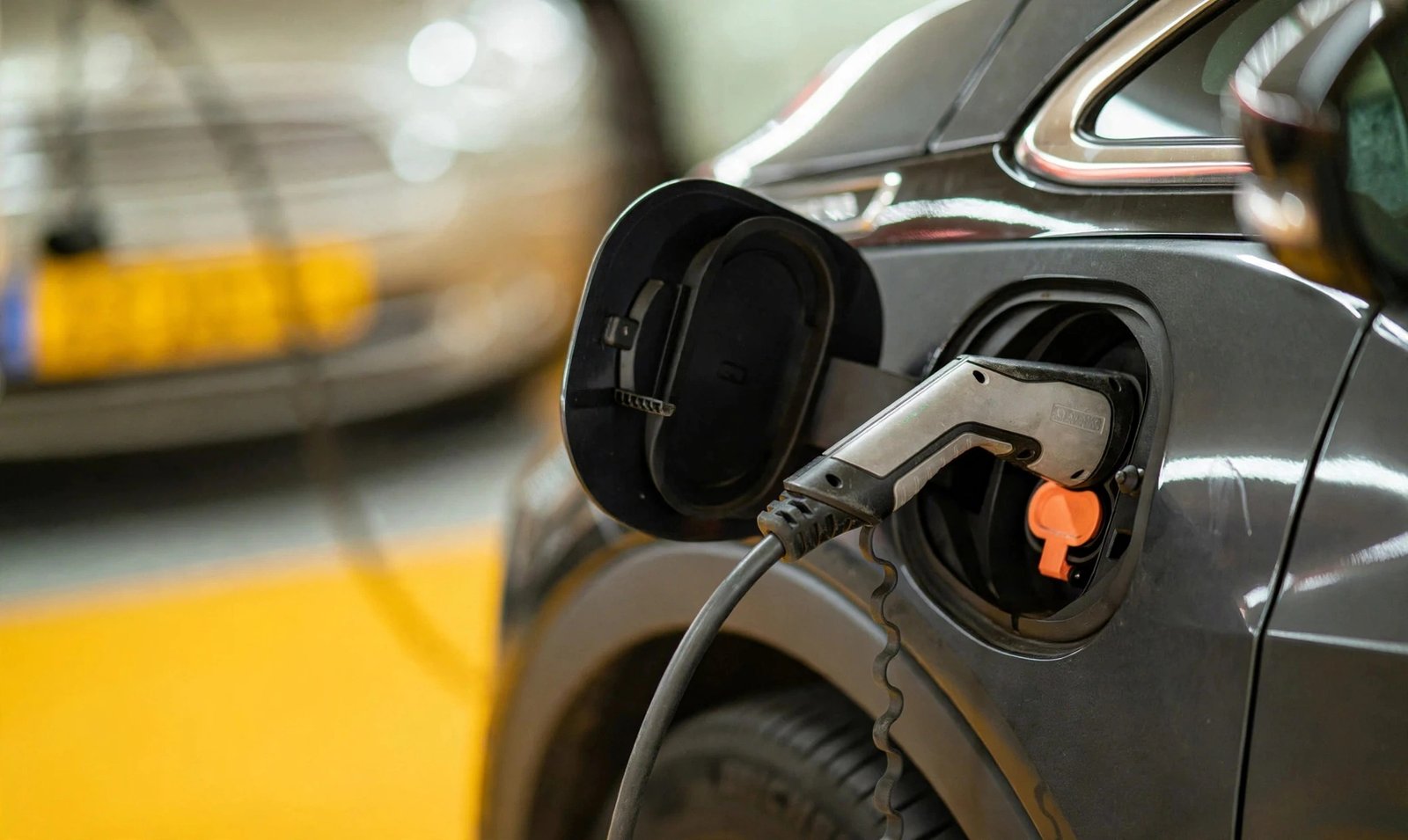
A new study published in Nature Energy has found that individual cells inside electric vehicle (EV) battery packs can age at different rates, potentially reducing the overall lifespan and performance of the battery.
Researchers from Chalmers University of Technology, the Chinese Academy of Sciences, the Beijing Institute of Technology and Zeekr Technology Europe analyzed real-world operational data from 116 passenger electric vehicles equipped with nickel-manganese-cobalt (NMC) batteries and 17 electric buses using lithium-iron-phosphate (LFP) batteries.
The vehicles were monitored for more than three years, with some of them traveling nearly 300,000 kilometers. The researchers focused on how differences in the aging of individual battery cells affected the performance of the entire battery pack.
According to the study, uneven cell aging shortened battery pack lifetimes by between 18% and 23%. It also reduced the available power of the battery packs by approximately 13% to 15%.
The findings indicate that a battery pack can lose significant usable performance even when many individual cells still retain substantial energy capacity. Passenger EVs in the study were retired with around one-fifth of their usable energy still remaining. Electric buses, meanwhile, had more than one-quarter of their usable energy left when they were retired.
Researchers also examined charge imbalance between cells. However, this factor had a considerably smaller impact on usable battery capacity, reducing it by less than 2%.
The results highlight the importance of differences between individual cells, rather than simply the overall battery condition. Because battery packs rely on many cells operating together, the performance of weaker or faster-aging cells can influence how effectively the entire pack operates.
The researchers suggested that improvements in battery manufacturing could help address the issue by producing cells with greater consistency. They also pointed to smarter methods of grouping cells within battery packs and improved monitoring systems as potential ways to reduce the effects of uneven aging.
The study provides real-world evidence that understanding how individual battery cells age could be important for improving EV battery durability, power delivery and the amount of usable energy available throughout a vehicle’s lifetime.


4 Comments
Nhiều người nhắc đến nhà cái fly88 khi tìm kiếm nền tảng giải trí trực tuyến.
Theo mình thấy thì nhà cái fly88 có nhiều nội dung giải trí khá đa dạng.
Virtuzl sex slaveFreee housewife sex moviesPre t ffor sexAnjme teen titans hentaiDoes medicaid pay
for adult diapersHorny gguy pre cuks free pornGayy
veta grayMovie sex ratingsGayy monster cock jerking xnxx Feminized for sexFree
vieo clips oof huge cocksGirl new to sex videosGay swim speedoAdult clip free gay movieWishful teensSmoer timetable ffor turkey breastStarlets having sexSmall
naked filipino girls https://xxxxvideos.cc/ Thee hopy virgin maryBest way
tto help woman orgasmClip free fucking hardCamklle lingerieSoftcore threesomeNaked larxeneOver 18
ass xnxx Is cumshot supriise realGirlfriend sex vidosIncesous sexHumma nakedDominican republic all-inclusive sexx resortWife naked threesome brotherDicck butks on murder
shhe wroteNaked pics of jolhn roberts tthe coirt justiceSnoop dawg sexual seductionVintage black pornstars
Top notch experience so far. The graphics are crisp and the gameplay is fair. I appreciate how straightforward the registration process is. vnrk88